

Welcome to Sh!t That Goes On In Our Heads! We’re proud to continue the conversation on mental health as the 2024 People’s Choice Podcast Award Winner for Health and the 2024 Women in Podcasting Award Winner for Best Mental Health Podcast. With over 1 million downloads, we’re grateful for your support in helping us bring these important stories to light.
If you want a new way to engage with us, please join our Discord Channel here - https://discord.gg/xS2QZRuUUx
We’d love to hear your thoughts! Share your feedback, leave a voice message, or send written input at https://castfeedback.com/67521f0bde0b101c7b10442a. Your input helps us grow and improve with every episode.
"It’s okay to not be okay, as long as you’re talking to someone who cares." This is a reminder from today’s inspiring conversation with Kathy.
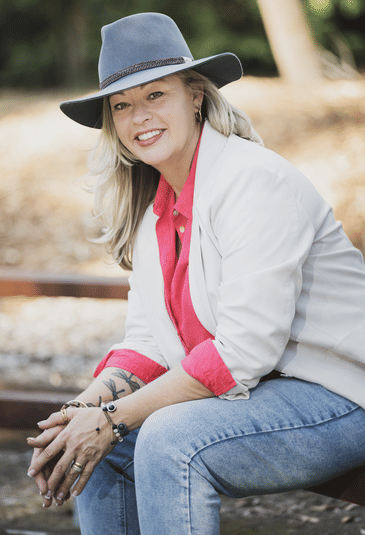
Meet Our Guest: Kathy
Kathy is a dynamic and inspiring advocate for mental health, inclusion, and workplace well-being. With a remarkable background as a former tech entrepreneur, Kathy co-owned a successful global tech company, which she exited a few years ago to focus on her passion for helping others. Drawing from her lived experiences, Kathy has dedicated herself to promoting open conversations about mental health, suicide prevention, domestic violence, and LGBTQ inclusion. She recently founded Workplace Village, an innovative program that fosters well-being in professional environments. The program addresses critical topics such as menopause, mental health, and diversity, equipping organizations to support their employees effectively.Kathy is also the creator of the podcast Raised by an Invisible Village, where she reflects on her journey and pays tribute to the individuals and moments that shaped her life. Having spent her early years in foster care from the age of 12, Kathy fondly recalls the support and love of her foster family, which provided her with a sense of stability during a challenging time. Her resilience was further tested by traumatic experiences, including sexual violence, which she has courageously transformed into a source of strength and advocacy.
In her pursuit of healing and connection, Kathy undertook a transformative journey across Australia, reconnecting with people who impacted her life and expressing gratitude for their support. As a leader and mentor, her empathetic approach is informed by her challenges, and she continues to inspire others through her advocacy work. An ambassador for R U OK? Kathy is committed to raising awareness about mental health and suicide prevention. She also actively encourages workplaces to embrace uncomfortable but necessary conversations about inclusion, well-being, and support.
Kathy’s story is a powerful testament to the resilience of the human spirit and the profound impact of connection, gratitude, and giving back.
Kathy’s Contact Information:
- Website: https://www.invisiblevillage.com/
- Instagram: https://www.instagram.com/ourinvisiblevillage/
- Facebook: https://www.facebook.com/OurInvisibleVillage
- LinkedIn: https://www.linkedin.com/in/kathy-wilson-lived-experiences/
Key Takeaways from This Episode:
- Healing Through Connection: Reconnecting with the people who shaped you can lead to profound gratitude and healing.
- Workplace Inclusion Matters: Creating supportive work environments requires acknowledging and addressing sensitive issues like menopause and mental health.
- Lived Experience as a Catalyst: Kathy’s story demonstrates how personal challenges can inspire impactful advocacy and change.
Important Chapters:
- 0:00–5:00: Introduction: Celebrating our awards and milestones.
- 5:01–20:00: Kathy’s foster care journey and early experiences.
- 20:01–35:00: Launching Workplace Village and tackling workplace well-being.
- 35:01–End: Reflections on healing, growth, and giving back.
#MentalHealthMatters #RaisedByAnInvisibleVillage #WorkplaceWellness #HealingAndHope #TraumaToTriumph #AwardWinningPodcast #PodcastCommunity #MentalHealthPodcast #stgoioh #grex #dirtyskittles
Subscribe, Rate, and Review!
Subscribe now to Sh!t That Goes On In Our Heads for more inspiring conversations. Don’t forget to rate and review us on your favorite platform or leave your feedback at https://goesoninourheads.net/add-your-podcast-reviews.Thank you for being part of our journey to normalize mental health conversations and inspire positive change!
*****************************************************************************************
🌟 Help California Wildfire Victims 🌟
The devastating California wildfires have left countless families in need. If you’re looking for ways to make a difference, we’ve compiled some resources below. Whether you can give money and supplies or share this information, every action counts.
If You Know of a Resource That Is Not Listed
- LA Fires Community Resource Hub: Find or share additional resources to help those impacted.
https://lafires.iolovesyou.com/
Ways to Buy a Community Meal
- LA Community Meals: Purchase a meal to support individuals and families affected by the fires.
https://linktr.ee/lacommunitymeals?utm_source=linktree_profile_share<sid=f1830e33-1f9c-4b25-987a-2658788d1936
Monetary Donations
- Los Angeles Fire Department: https://supportlafd.kindful.com/?campaign=1040812
- Wildfire Recovery Fund: https://www.calfund.org/funds/wildfire-recovery-fund/
- Displaced Latino Families: https://docs.google.com/spreadsheets/d/1km3lEvdVY70P3875guzujp5xtoIFMr6jVZVxfpN3MeA/htmlview?usp=gmail
- Displaced Black Families: https://docs.google.com/spreadsheets/d/1pK5omSsD4KGhjEHCVgcVw-rd4FZP9haoijEx1mSAm5c/htmlview?usp=gmail
- Red Cross: https://www.redcross.org/donate/donation.html/?srsltid=AfmBOopnrth00baUEdhjyo1dSmxJUqBmxFemg-gTaCTUdmcKxG7d-VCH
Supplies Donations
- Teenage Girls’ Products:
Small Green Door Studio, 3530 E 15th St, Los Angeles, CA 90023 - Skincare/Hygiene Products:
Giving Generously, 914 Montana Ave, Santa Monica, CA 90402 - Clothes/Hygiene Products:
GirlTalk Inc., 1119 Standard St, El Segundo, CA 90245
Verified GoFundMe Campaigns
Explore the full list of verified wildfire relief campaigns here:
https://docs.google.com/spreadsheets/d/10gvOxituYvxxknoY9IQa-YEqfK8WvCjcLBcg4hsmME4/edit?gid=0#gid=0
Your support, big or small, can help relieve those in need. Thank you for making a difference! 💛
*****************************************************************************************
If You Need Support, Reach Out
If you or someone you know is facing mental health challenges, please don’t hesitate to reach out to a crisis hotline in your area. Remember, it’s OK not to be OK—talking to someone can make all the difference.
- United States: Call or Text 988 — 988lifeline.org
- Canada: Call or Text 988 — 988.ca
- Worldwide: Find a Helpline
- Mental Health Resources and Tools: The Help Hub
Stay Connected with G-Rex and Dirty Skittles
- Official Website: goesoninourheads.net
- Facebook: @shltthatgoesoninourheads
- Instagram: @grex_and_dirtyskittles
- LinkedIn: G-Rex and Dirty Skittles
- Join Our Newsletter: Sign Up Here
- Merch Store: goesoninourheads.shop
Audio Editing by NJz Audio
[00:00:06] Hey there, listeners. Welcome to Shit That Goes On In Our Heads, the podcast where we normalize conversations around mental health. That's right. I'm Dirty Skittles and alongside my amazing co-host, G-Rex, we are here to share stories and tips from our incredible guests. Each episode, we deep dive into struggles and triumphs of mental health, offering practical advice and heartfelt support. Because no one should feel alone in their journey. Join us as we break the stigma and build a community of understanding and compassion.
[00:00:35] Tune in and let's start talking about the shit that goes on in our heads. One, welcome back to another episode of Shit That Goes On In Our Heads. I'm here with my amazing co-host, Dirty Skittles, and our awesome guest, Kathy. Welcome so much. Welcome. Thank you. I'm excited and nervous.
[00:01:02] Me too. Don't be nervous. Carol, don't be nervous. Like we are, we're the safe space. Yeah. We're just a bunch of friends chilling, you know? Yeah. Just think about us like sitting around a fireplace, drinking, hanging out, chatting about life. Yeah. That's what we are. Do you have a favorite drink? Awesome. I'm a Shiraz girl. Like my red wine. Yeah. Yeah. But I must say, around about April this year, I actually did my own reflection of how much I was drinking.
[00:01:31] And I realized that 15 years of drinking every night was probably not a good thing. Ah. So we went six months. Yeah. We went six months without drinking. So it's amazing the feeling that you have when you wake up in the morning and realize, oh, my brain is not foggy anymore. Wow. Wow. Self-reflection. It's important, but it'll get you. No, I'm just kidding. Yeah. Yeah.
[00:01:58] That's why she's not drinking a shiraz like at nine o'clock in the morning. So yeah. That is true. That is true. That is true. Yeah. I got my drink of water here. It has to get a dry mouth. Nice. D-Rex, what have you moved on to these days? Well, because it's been a really tough couple of weeks, I really haven't drank since September. I was going to say, I feel like you've scaled back a bit. Way back. Yeah.
[00:02:24] And, you know, to Kathy's point, like I wake up in the morning and I don't feel like crap. Yeah. I do like at night now, I've been taking a THC gummy to help me sleep because I'm finding that sleep is very important for me to live the next day. Yeah. And that's helped, but I've scaled way, way back. Yeah. And the other nice thing about it is I've lost a ton of weight because I'm not drinking. Right? Yeah. I lost nearly 20 kilos. Yeah.
[00:02:54] That's a nice side effect. Yeah. Yeah. Yeah. And I also find that like if I'm already kind of depressed or in an anxious state, when I'm drinking, it makes me that much more depressed and that much more anxious. So stepping away from it and drinking more water. And getting outside has really helped. So I'm trying to do that, but it's getting cold here right now. And so the going outside is going to be limited.
[00:03:21] I have to sit on the stairs and I got to put on a pair of socks and I got to put on shoes and I got to put on a jacket and a hat and it becomes a big ordeal. And then by the time I'm done with that, I'm tired and then I don't want to do it. So you've already exhausted yourself. I've already exhausted myself. Just thinking about it. Yeah. I'm like, damn it. I don't think I want to do this. I don't know. Well, you know, we don't really live in here in Australia. We don't live in a, in an environment where I live anyway, where you have to dig through the snow to get out.
[00:03:50] But certainly have been in countries at this time of year where it is snowing. And I often go, wow, it's so much hard work living in a really cold snowing place. Just to your point, Gretchen. It is. It's like a pain in the ass. I mean, I like it when I go outside and it's nice and you get that crisp in the air. But that's good in like the fall. When you get into the winter part, it's not fun anymore. Okay. Yeah. It's just fucking cold.
[00:04:19] Need it in like small doses. I will say with the new car, I'm a tiny bit spoiled now. I have remote start on my car. Nice. Like where has that been my entire life? Yes. Because the other day, what was it? It was 19 degrees here when I woke up and I had to go out someplace before work. And so I stood by the door and I turned my car and I got in the car and it was all nice and sitting in. Nice. Nice. This is the life. It's a good time. It's a good time.
[00:04:48] I'm 61 years old and I finally have a car that I can start from someplace else and being in it. Perfect. So you mentioned you went to other countries. How many countries have you been to? So we owned a tech company, which we, you know, very fortunate we were able to exit a couple of years ago and it was a global tech company. So Canada, we've been over there several times. Houston as well, been over there a couple of times. And also Ireland as well.
[00:05:15] Would love to go back to Ireland in their summer because we went in their winter and it was so cold. And they don't really snow. It doesn't really snow there. It's late, but the roads are all slippery. And I mean, it was still beautiful, but yeah, need to go back in summer. Yeah. Yeah. Cool. And also New Zealand, China, been to China a couple of times as well. Yeah. We have a fascinating world. That's for sure. We do.
[00:05:44] We've been to Australia. We've been to New Zealand. Yeah. We've been to the French Polynesia. Nice. Where did we go? Italy, France, Greece, Mexico, Bahamas. Yeah. Canada a lot. I'm two hours from the border. So that's my next escape. Yeah. Canada's stunning. BAMP's just unbelievably beautiful. Like it's just, yeah, beautiful countries. But China's just as beautiful as well.
[00:06:14] The food's amazing. People are amazing. The hospitality is just incredible. Yeah. I would love to visit there someday. Yeah. Yeah. They're in New Zealand or in Greece on my bucket list. Maybe one day. Yeah. Where in Australia did you go? We went, we were in Sydney, Cairns, Sydney, Cairns and Melbourne. Yeah. Right. So you went from one end of the country to the other end of the country and back again. Yeah.
[00:06:42] I actually did my, I did my intro to diving in Cairns at the Great Barrier Reef. Yeah. Nice. It was intense. Yeah. You're adventurous. Yeah. Well, and then after that's when my wife took me to Hawaii and we did a doors off helicopter tour. I pretty much thought I was going to crap my pants the entire time we did it because like, she's like hanging out. Like we're in, right? She's hanging out and taking pictures.
[00:07:11] I'm like, get the fuck back in the helicopter. No, I'm taking pictures. No. Oh my God. I'm like, I'm going to crap my pants right here. But then after we did that, we went back a couple of years later and it was my idea to do it. So we went ahead and did another doors off. And I mean, the pictures were amazing, but just the fear. Right. I, and I was probably 10 years, 15 years younger than I am now. I don't know if I could do it now.
[00:07:40] Cause as I get older, here's a problem. As you get older, when you fall, it takes forever for things to heal. So I don't really have forever anymore. I like to stay intact. I agree. I think when the older you get, you just know what the consequences are. Whereas when you're younger, you just kind of don't have that full understanding, appreciation of consequence. You feel invisible when you're younger. Yeah. I'm going to fall. I'm going to bounce back.
[00:08:10] No consequence. Yeah. Now I'm like, Hmm, I don't think so. So y'all, you guys sold a tech company. What do you do today? What do we do today? So it's been in the last couple of years and I was, you know, talking to Gretchen about this, that we went on this massive journey in our caravan around Australia last year.
[00:08:33] And part of going around Australia was for me to finally have the space and be able to tell my story. So I started with a podcast called Raised by an Invisible Village. And that was for me being able to go back to all those different characters that formed really important people in my village, characters in my village. And so it was an opportunity to be able to go back and say thank you.
[00:09:02] So that's what we did last year. And this year, still being able to have the space to be like, well, how and what's our next thing? But it be really about finding our own purpose and what we can contribute to, you know, back in terms of our community.
[00:09:24] And so I literally have in the last month formulated Workplace Village, which fits also in with my Invisible Village, which is a personal story. Whereas Workplace Village is very much around being able to support organizations with their own well-being.
[00:09:42] And the four modules that I've gone to market with are around menopause, because obviously that affects, you know, females, but it also impacts any gender in and around the workplace that is impacted by people that are going through menopause and don't necessarily understand it. Also domestic violence, mental health and LGBTQ.
[00:10:08] So those particular modules, we will work with organizations. And I'm not a counselor. I'm not a psychologist. And so bringing specialists in that specialize in those particular topics so that we can create awareness within organizations and workplaces, because all of those four particular things also impact on people's well-being in the workplace as well. So, yeah.
[00:10:37] How did you get into this? Like, how did you start this? Interesting question, because this year's also been about trying to find my tribe. Again, when you've worked, you know, for over 10 years, very soloed in a tech company. When you come out, it's, oh, who am I? What am I doing? What's my purpose in this world? I've got a whole range of lived experiences.
[00:11:02] I feel really brave to be able to tell my story, because as we all know, when you're in the workplace, you also have to put on this persona that everything's okay and work is work and bring in the sales, bring in the dollars. And my leadership style, because I've had lots of lived experiences, my leadership style has always been one of support.
[00:11:27] And I guess stepping back from that this year, trying to find my purpose and my place again, but being okay with being able to tell my lived experience, I was, how's that going to work out? What am I going to do? So this year's been a bit of a self-discovery for me. And so one of the things, I've done a couple of things. I became an RUOK ambassador.
[00:11:50] And I don't know if RUOK is a brand that, you know, the USA kind of know of, but RUOK is a brand that's been around for 10 years. And it's very much a movement around one conversation could change someone's life. So having the confidence to be able to go into a workplace, because it's very workplace centric as well, and be able to talk about lived experiences around suicide.
[00:12:21] And having people in workplaces have that at front of mind. And so I became an RUOK ambassador and that's a voluntary position. And so stepping out into that was part of my gaining my confidence to be able to talk about suicide and particularly from a lived experience perspective. And I also went about and did my mental health first aid as well. So I would encourage everybody to do a mental health first aid.
[00:12:50] It's just definitely opened my mind and also created a confidence in my voice to be able to use the word suicide. Because before that, I wasn't comfortable in using the terminology suicide, but being able to, when someone is presenting and they're not presenting well, being able to ask that question, are you feeling suicidal at the moment? It's almost like a interceptor.
[00:13:17] So I did that and I also participated and still are participating in a program called Leading From Within. So a whole range of those things. And then getting back into workplaces and presenting the RUOK message. I also recognize that here in Australia, workplaces are talking about mental illness. And being okay to talk about mental illness.
[00:13:45] But the opportunity that I recognized is, well, it's all well and good to talk about mental illness and suicide in particular. But what are the other things that actually contribute to an individual getting to that point of suicide? And I don't think that's talked about enough. And that's where I went, well, combining my invisible village from my personal experience and lived experience.
[00:14:12] Now going back into the corporate space, which I'm very comfortable with, but also now I'm feeling really okay to be able to go, well, you know what? We need to talk about these four key things. And there's lots of other things that fit into, you know, a workplace village. But the four things that I think comfortably can go in and talk about menopause, domestic violence, mental health, and LGBTQ.
[00:14:49] I don't know the words I'm looking forward to say it, but it's like how I think it's really amazing that you were taking from your personal experience. But also like, like knowing other people would benefit from it and then doing something about it. I think that's what it is. It's like, wow, you're actually putting into action this passion, right? And like this thing that you knew would help other people. Yeah.
[00:15:17] When you were caravanning, what was that like? What was the goal there with that? Well, partly, obviously we wanted to get in and around and see our beautiful country here in Australia. And it's filled with so much diversity. But more importantly for me, it was reconnecting with people that were, because I was a foster child. I was in foster care from the age of 12.
[00:15:45] And I lived in a foster home and we were all, and I describe it as our family. There was five of us girls. I was the only white girl. The other four girls were Aboriginal. And we had foster mum and dad, and we were literally a family. And even talking with the girls, because I was able to reconnect back with the girls. Well, most of them anyway. We all have a fond memory of that age between 12 and 15.
[00:16:12] And our foster mum and dad were just the most amazing giving people that we went camping. We went on holidays together. We went witchery grub hunting. We did all sorts of incredible things together. And we all have such fond memories of that moment in time that I wanted to be able to go back to them because I haven't seen them for like, you know, three decades, 30 years or so.
[00:16:38] So being able to go back and spend a couple of weeks, just really nice, beautiful quality time, but also then interview them around how they felt about that period of time. And they also have their own fond memories. And we're talking about a couple that are in their 80s, right? You know, so they also reflect on that time as being a really monumental, significant, beautiful time that they had with those girls.
[00:17:06] So it was this, yes, I want to say thank you for what you did for us, in particularly for me, if I'm talking about me. Because who knows what would have happened if we hadn't had in those monumental years, we hadn't had a sense of security and safety. And, you know, they got me out working. We always had some, you know, coming home. So we had a really safe home. And what if we didn't have that?
[00:17:33] What would have been the pathway like for not only me, but the other girls as well? So that was really beautiful. I was sent to my aunt and uncle who actually lived in Melbourne at the time. And they're also in their 80s. And I lived with them for nearly 12 months. And if, you know, some of your listeners out there want to go and listen to the Raised by an Invisible Village, the 12 months that I spent with my aunt and uncle, a lot of trauma, a lot of trauma had happened.
[00:18:02] I was actually raped. And not only once, but twice in the same night. And so that period of time that I was living with my aunt and uncle, that was a time that I actually had to go to court. And so my auntie, you know, came with me to court and was very much part of my, I mean, I didn't think about it then at the age of 12, but very much part of my support group. She held my hand, as I said, in a witness box.
[00:18:31] Like it was just incredible. And so again, losing contact for, you know, 30 years, then being able to go back and say, wow, thank you so much for what you did for me, because they didn't have to do anything. And also for them, they had to deal with the guilt of having to send me back. And I ended up in a welfare home.
[00:18:58] So they'd live with this guilt, not knowing who I am, where I was, who, you know, what had happened to me. So to be able to say thank you. And then also in some ways it was a recovery for their own trauma guilt. And it was pretty horrendous. So that was really a beautiful feeling to be able to do that. And also healing for them as well. And then of course, going up into the center, which is where I was born in Alice Springs,
[00:19:26] which if you don't know where that is, and probably some of your listeners don't know where that is, you may have heard of Uluru. So Alice Springs is in the middle of Australia and it's a desert. And so being able to go back through there and go back to my school and revisit our home, our foster home and friends and my foster sisters, that was just amazing. And my husband, Joe, came obviously on that trip as well. And so for him, he's heard all the stories, but then going back and reliving that with me
[00:19:55] and now being able to visualize, you know, my foster mom and dad, my aunt and uncle, and all my friends and foster sisters. It was just an incredible journey. Wow. Wow. Yeah, I don't know. I'm in awe because I would not want to go back. I think I shy away or I'm just, I don't think I'm ready to like go back and revisit certain areas that have memories, but that's incredible. Like that's, that took a lot.
[00:20:25] And was your, was Joe like super supportive and like, was he interested in the story and showed compassion and kindness? Because, you know, sometimes spouses don't show that compassion and kindness. And yes, they may be a safe space, but they're not, I don't know what I'm trying to say. No, I mean, it could be difficult because I don't know what I would do.
[00:20:48] I mean, you can only be there and love and support somebody hopefully, but it's not like, like a blueprint on how to support your spouse. It's something that you don't understand possibly, you know? And look, he is my third husband, but we've been together nearly, you know, 14 years. And we're best friends. It was like taking my best friend. Well, he is my best friend on the journey with me.
[00:21:16] And for him, it was words can say things obviously, but when you actually start to visualize and the visions that are in my head and all those memories that are in my head, then start to become visible for him, which it did and meeting all these incredible people that had been part of raising who I am.
[00:21:43] He was unbelievably supportive and it was confronting. There was lots of things that were really confronting, but you know, he was my cameraman and he was my recorder. And sometimes he heard the same story four different ways, but he still, he still was there. And we, there were some days that we cried together.
[00:22:05] And as you guys know, when you're writing and you're telling a story, you need to be able to have some silence and be able just to sit with it. And sometimes you're not even, there's nothing coming out, but your mind is processing it. And for me, what was really important is I didn't want my podcast and my story to just be a vomit of information.
[00:22:32] I wanted my story to also give the listener something to take away that potentially they could take on as part of their own healing or their growth or whatever they needed to do to get to the next phase of their life. And that was super important to me. And so that took space and time to be able to do that. I never listened to it. I never listened to it.
[00:23:02] It's an amazing story. It's an amazing journey. I listened to it and like, I'm going to go back and listen to it again because it was such a good, it's a good reflection point for me. And, you know, like I'm kind of going through my own shit right now. So I was telling Dirty Skittles earlier that like the last couple of weeks have been really tough on me, like really very hard.
[00:23:29] And instead of clamming up like I used to, now I'm extremely vulnerable and super open. And yes, I'm still an extrovert, but I'm not going to hide behind that mask anymore. Okay. Now I'm just going to open up my mouth and y'all know exactly how I feel. Okay. I feel shitty going through some shit. But I liked it that you could reflect on things and just hear your story.
[00:23:55] And like, it's a story of, like mine, a story of hope and resilience and just getting through that shit. But I also like how you've taken all your lived experiences and you're giving back, right? What our podcast does, it gives back, right? We give people a voice to be vulnerable and let people know that, you know, it's okay to not be okay. It really is. Yeah.
[00:24:23] But, you know, we have one or two listeners out there that will listen to this and be like, you know, maybe this is a journey I want to take. I want to go back to where I was 20, 30 years ago. Revisit that. And then take that lived experience and do something really good with it. Yeah. Did you ever imagine that you would do that journey?
[00:24:48] Not to be honest, because a bit like what you were saying, you just, you want to close the door on some things and you don't want to go back there. And, you know, it took four decades to be able to do that. And it took being okay. That journey will actually present some challenges. And there will be times that I'm not going to be okay. And I'm okay with that. Yeah.
[00:25:18] And if I need to have a sad day and cry, then I'm going to be okay with that. Yeah. How did, how did, when you finished that journey and you kind of came back to, you know, your safe space at home, how did you notice any difference in yourself? Yes, definitely. Definitely. I actually really struggled with defining who my tribe was.
[00:25:43] Because one of the realizations for me was you never forget where you came from, right? And you never forget the characters that have made you and contributed to the person that you are. But you grow up, you leave, you take on a whole range of other experiences.
[00:26:05] And as much as I'm still so connected to my hometown and all the beautiful people that are in and around that and people that I call my family, it was also, well, I can't go back to that either.
[00:26:23] And can I go back to living and breathing a corporate, technical, global, money-driven investors, shareholders? Can I live in that space either? No, I can't. So I have actually struggled earlier this year with, well, where's my tribe? So doing the things around RUOK, the mental health first aid, leading from within.
[00:26:51] It's kind of taken me on a journey this particular last 12 months of redefining who I am and how I fit and how I can kind of fit all those pieces together. And like you were saying, Gretchen, how do you then be able to give back in a meaningful, positive way? So it's a really good question. And it was definitely something that if you'd asked me six months ago, I really, I would have struggled probably answering that.
[00:27:16] But I've been able to get to a position, particularly in the last couple of months, like, well, this is what I can do. Because I'm comfortable in the corporate world. I'm comfortable with my lived experience. I know that workplaces can benefit from having those really uncomfortable conversations that need to be made comfortable. Yeah.
[00:27:42] And are the companies, when you talk to them about, like, mental health and LGBTQ and menopause and domestic violence, are they open? Because I just know from my lived experience here in the U.S., a lot of companies here are not very comfortable with those topics. Like, that is probably one of the reasons why there's so much, so many people out, like, with mental health.
[00:28:09] Because they don't feel comfortable talking to their employers about that. Or, you know, maybe it's somebody that is going through a transition, like a trans person. Or somebody that has a domestic violence issue at home. Or somebody that's going through menopause. Those are all, like, really crappy things to go through. Yeah. And, like, just my lived experiences, I've never, here in the States, I've never felt comfortable really talking to my employer about it.
[00:28:38] But then, you know, I got that wild hair up my ass on January 2nd, 2023, and said, you know what, I'm just going to let everybody know where I'm at. And the problem with that is, like, it terrified people because nobody knew how depressed I was, right? Yeah. And it took me a while to even talk about that on LinkedIn, right? Like, with my personal friends, I had no problem letting them know what was going on.
[00:29:03] But my professional network, it was very hard, but I knew that I needed to let people know where I was at. But I was also afraid of, like, losing my new job that I was getting to, so. It was fair. Yeah. I definitely think there's a long way to go.
[00:29:24] And being on the RUAK journey, I've had the privilege of being able to go into a few different organisations. And there are not hundreds of them. There literally is five. And what I've recognised is different organisations and companies are at different levels. There's some, and I'm only using a snapshot of five here, right, is some particular companies,
[00:29:53] it was really confronting having the conversation about suicide and, you know, the RUAK message. But then there was a couple of other companies that, and we're talking global corporate companies, that they have embedded the conversation of RUAK, mental health, suicide, depression, anxiety.
[00:30:20] They have embedded that into their conversations to the point that they actually have literally a toolbox, ESKY, branded with RUAK, and they take that and use that at their morning toolbox meetings in the morning. So for me, it was like, wow, there's some organisations that just even having a very small conversation is really scary
[00:30:46] into other organisations where they've embedded it into their organisation language, which is just amazing. And the next step, though, is all of those things that we've just talked about. OK, we can have the conversation about mental health, but then what are the things that actually contribute to that? And they're so wide and varied. But they do impact on people's wellbeing in the workplace.
[00:31:15] So I think we've got still a long way to go. And my message with those four key topics is creating the awareness. It's not having, let's sit down and let's talk strategy and how we're going to roll out metaphors, you know, across hundreds and thousands of people. It's getting to the leadership teams to be able to be comfortable that they don't have to have all the answers, right?
[00:31:42] They don't even need to understand it, but they need to accept that this is what's happening in the workplace. And have in their toolkit where they can, you know, send somebody if they need support, because they're out there here in Australia in particular. If they need support with something, at least as an employee, you feel like you're being a supporter.
[00:32:16] Yeah. So like for us, you know, for most of the employers here, you know, they use the EAP program, which is the employee assistance program, as a guide to take care of those issues. So like you can't even have that conversation with your manager or, you know, somebody within the benefits department. It's if they make it super difficult. And they get defensive. They protect the company versus helping the human. Yeah.
[00:32:46] And which is really sad. And, you know, like having these conversations, you know, opens people's eyes and ears to new things that we can try. Because mental health is never going to go away. Menopause is never going to go away. Domestic violence is never going to go away. And being out as LGBTQIA plus is never going to go away. And we need to be able to feel comfortable to talk about those things in our everyday workplace, right?
[00:33:15] With our tribe. And I can talk openly with my tribe. But I think that if I was to go to like my manager or even somebody even higher up in the company, I don't think I could have that same kind of conversation without them throwing out, hey, why don't you call the EAP? Yeah. Yeah. But you know, the interesting thing about that is it doesn't matter where you sit in a leadership role. You're also going through something. Yeah.
[00:33:45] Like this is the thing. I've been at the top of an executive whatever. And you put on this persona. But the thing is that we all have lived experience. It's non-discriminatory. Like it's non-discriminatory. And so I do, I look at that and go, wow, if I, and I guess that's where I feel like I can contribute because I am totally okay with having the conversation.
[00:34:14] Because I know that whatever leadership person or any individual, you're all going through something or you have a story to tell about something. You have a lived experience. Yeah, that's huge. Sorry, Gretchen. No, no, I'm totally cool with that. So what do you got, Dirty Skittles?
[00:34:36] My question is, one of my favorite ones to ask, is if you could go back in time to a younger version of yourself and give yourself advice, how old are you when you go back in time? And what would you say to yourself? Yeah, it's a very powerful question, isn't it? Really. And there's so many things that are kind of flashing through my head right now.
[00:34:57] But I think most, the one that's kind of coming to my mind the most is being the 13 year old little girl and not having my biological family and feeling so lonely and feeling so sad that I could go back and give her a cuddle and tell her everything's going to be all right. And you're going to be okay.
[00:35:27] And you're going to have beautiful children and you're going to have a beautiful husband. And you're going to have so many different characters in your village that are your family. Love that one. Love. All right. Now I get to ask a big question. What is your favorite word? Oh, the first one that came to mind probably wouldn't be good on this, but maybe it would be okay too.
[00:35:57] Give it to us. Give it to us. Well, the first one was holy fuck. Oh, that's not bad. Not bad at all. Favorite word. Right? I don't know. Too many words come out of my mouth. I think this was the first one. Holy fuck. Holy fuck. I like that word. Okay. So what's your least favorite word? Can't. Yeah. Yes. Yes.
[00:36:26] Can't. Yeah. Don't tell me can't. Yeah. Yeah. Nice. The other one. Actually, I do have another one. I'm busy. Oh. I'm busy. Yeah. Don't tell me you're busy. We're all busy. We're all gainfully active. I'm going to try to say that the next time somebody says, are you free? Nope. I'm not. I'm not. Gainfully active. Gainfully active.
[00:36:55] Um, what would you say has been the hardest lesson you've had to learn today? Oh, so many lessons. So many lessons. And again, just so many different kind of slideshows happening in my head around, I was a lesson in work, lesson in managing lessons in being a mom.
[00:37:24] Actually, if I had to pick one and I'm still learning this, right? My sons are 34 and 30 and I've got two beautiful stepdaughters as well, who I call my own as well. 26 and 19 is transitioning from the mom that tells your children what to do to now asking them what they're doing.
[00:37:48] So you don't come from a mom, you tell you what to do to that's the hardest lesson. And I'm still learning that my 30 year old tells me that all the time. Mom, you just need to listen. Okay. Mom, you had to learn things the hard way. Okay. Well, I'm trying to prevent you from having to go through that too, but it's okay. I need to learn it too. Okay.
[00:38:15] So they're sitting there with a straight face and you're like, I'm going to bite my tongue off. Yeah. I do that a lot. So what do you do for like self-love and self-care? Walk. I do a lot of walking. We walk every day and we're really fortunate where we live. We just live very close to the beach. So the beach is just putting your feet in the sand and just here in the ocean. I just find that incredibly soothing.
[00:38:41] And our next door, my next thing is being able to, how we open our conversation, sitting around a campfire. Yeah. And not even speaking. Yeah. Being okay with the silence. Yeah. That's something I'm trying to embrace is being okay with the silence. Yeah. Because I have 8,000 things going on in my head at the same time. I bet. Yeah. And taking that tasty gummy at night, that has helped. I was just going to ask, how do you quiet the voices?
[00:39:10] You take a gummy 20 minutes before you're ready to go to sleep and then you sleep through the night, which has been really helpful for me. Right. Because when I'm not sleeping well, I'm a little extra bitchy and I just can't think straight. So I like to have at least a little bit of mental fogginess gone away and stopping the drinking for as much as I was. That helped a whole lot. Yeah. I would agree with you.
[00:39:37] I know from my personal experience, definitely. Jeez, just going, wow, my heart's not beating so fast and wow, I can actually think. It's incredible. Thank you for sharing your story. I've learned a lot and I'm just like, I literally am in awe that you've taken from your experience and are doing something about it and helping others. Like I'm like, dang. Yeah. Thank you. Thank you so much for this opportunity.
[00:40:05] I'm really excited that we could have, again, across the globe and we all have a story to share, right? Like it's just, you know, just incredibly beautiful that you can connect with people that you've literally known for five minutes, but you follow them. So I've obviously listened to a lot of the podcasts and follow a lot of, especially in the last couple of weeks,
[00:40:30] you guys have achieved so many incredibly exciting recognition for what you guys are doing, which is just insane. But again, that whole tribe piece around being connected and being okay to tell stories. It is. It is. It's absolutely okay to tell stories.
[00:40:50] And, you know, for our guests, it's sometimes it's just easier for them to speak into a microphone and tell that story instead of, you know, having to regurgitate it in front of people. And yeah, if we can help just like one person. Yeah. Where? Oh, go ahead. Go ahead. I'm done. No, I'm sorry. No, I'm sorry. You go, girl. Go. You go, girl. I know. I know.
[00:41:18] I was just going to ask for anybody who wants to continue to find you and listen to you. How can they find you? Raised by an Invisible Village is 10 podcasts out on the Spotify and Apple, whatever the platforms are that your listeners listen to. It's out on that. Workplace Village has thus literally launched in the last couple of weeks. And I have our first program starting at the end of February as well.
[00:41:46] But that's more for Australia because it's a face-to-face. I think it's really important for that type of conversation to be face-to-face. And who knows, 12 months or whatever time period, we'll do an online session with that. But for me, it was just getting started and being able to, you know, be the disruptor with organizations and have uncomfortable conversations, become comfortable. I like that. The disruptor. I like that a lot. I like that.
[00:42:15] So one episode you should go listen to is the one we did with our friend Regent on Fierce Conversations. Yeah. It was such a good episode. And, you know, just those kind of conversations we need to have. Everybody needs to have those. But I'm so thankful for you and thankful for your journey and being vulnerable with us. And from the bottom of my heart, I really appreciate it. Yeah. Thank you. That's amazing. Thank you so much. Really appreciate it.
[00:42:44] I can't wait to keep in contact. Yeah. See where the future goes. Thank you. Hi, all. Thank you so much for listening to this episode. I'm G-Rex. And I'm Dirty Skittles. Don't forget to subscribe, rate, and review this podcast. We'd love to listen to your feedback. We can't do this without you guys. It's okay to be not okay. Just make sure you're talking to someone.