
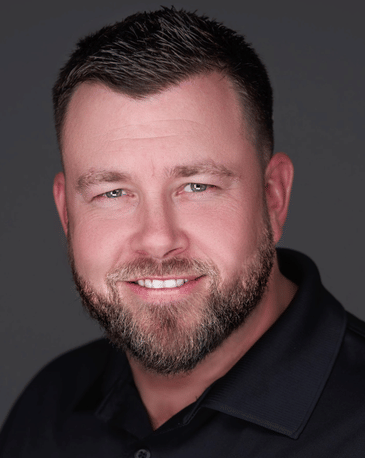
Joe Smarro walked away from a Marine uniform, a badge, and a gun belt that almost ended his life, and walked straight into the work of healing himself and the first responders nobody else was checking on. This conversation is about what it really takes to take off the mask, do the work, and become the kind of human who gives other people permission to do the same.
Awards & Downloads
Brought to you by the 2024 and 2026 award-winning podcast Sh!t That Goes On In Our Heads, a 2026 Women Podcasters Awards nominee in the Mindset and Mental Health category and honored among the Influential Women 2026 Women of the Year, with 4.5 million plus downloads across 160 plus countries and counting in Season 17.Feedback Link
We'd love to hear what landed for you in this episode. Leave us a voice or text note here: https://castfeedback.com/67521f0bde0b101c7b10442aMental Health Quote
"There's so much freedom on the other side of your suffering. There's so much freedom on the other side of your fear." Joe SmarroEpisode Description
Joe Smarro is a Marine Corps combat veteran, former San Antonio Police Officer, co-founder of one of the country's first Mental Health Units, and the kind of man who'll tell you exactly how close he came to not being here. In this episode, Joe sits down with G-Rex and Dirty Skittles to share the story behind his Emmy-winning HBO documentary Ernie and Joe: Crisis Cops, his book Unarmed, and the moment he chose therapy over the gun belt sitting next to him.This is a raw, hopeful, and surprisingly funny conversation about childhood trauma, an ACES score of nine, PTSD, persistent depressive disorder, and the addiction patterns that ran his life until he stopped running from himself. Joe shares why he believes therapy is a relationship, and most people just haven't found the right partner yet, why he started attending SLAA meetings at 44, and why he gets up every day, names his alarm clock with affirmations, and practices three points of reflection before his feet hit the floor.
If you've ever worn a mask so tight you forgot what your real face felt like, this one's for you. Joe gives men, first responders, veterans, and anyone with a hard story permission to stop pretending and start healing. We talk masculine vulnerability, suicide prevention, scars versus scabs, the "selfish AF" approach to wellness, radical self-responsibility, and what it actually looks like to live on the other side of trauma.
Keywords: first responder mental health, PTSD recovery, veteran mental health, suicide prevention, childhood trauma, ACES score, Joe Smarro, Unarmed book, Ernie and Joe Crisis Cops, masculine vulnerability, de-escalation, police mental health, trauma healing, therapy for men, addiction recovery
Meet Our Guest
Joe Smarro is a decorated Marine Corps combat veteran, former San Antonio Police Officer, co-founder of the SAPD Mental Health Unit, TEDx speaker, and bestselling Author of Unarmed: De-escalation Techniques to Cultivate Courage, Compassion, and Connection and 12 Laws of Maximizing the Human Experience. He's the founder and CEO of SolutionPoint+, a national consulting firm focused on mental wellness, resiliency, and crisis response training for first responders, public safety, public transit, and corporate clients. When he's not on stage or in a hotel somewhere in North America, you'll find him on the golf course.Connect with Joe:
- Website: https://www.joesmarro.com
- Company: https://www.solutionpointplus.com
- Instagram: https://www.instagram.com/joesmarro
- Facebook: https://www.facebook.com/josephsmarro
- Documentary: Ernie and Joe: Crisis Cops on HBO Max
Key Takeaways
- Share from a scar, not a scab. Healing first, then teaching. Joe waited until his wounds had closed before he started talking about them publicly, and that's why his story actually helps people.
- Therapy is a relationship, not a one-time experiment. If the first therapist didn't fit, that doesn't mean therapy doesn't work. It means you haven't found your person yet.
- "Selfish AF" is not a personality flaw. It's self-awareness, self-love, and self-care so you can actually show up for the people you love.
- Take radical responsibility for the life you're living now. Bad things happened to you, and they weren't your fault. What you do with them today is.
- Hope and curiosity keep you moving. Not motivation. Not hustle. Curiosity about what life looks like on the other side of the work.
Actionable Items
- Build your own three points of reflection. Each morning, ask yourself where you are, why you're there, and who contributed to you being there.
- Find three new things you're grateful for every day, and they cannot repeat. This forces you to hunt for the good rather than run on autopilot.
- Identify the biggest fear holding you back right now and take one small step toward it this week.
References Mentioned
- Book: Unarmed by Joe Smarro, available at https://www.joesmarro.com
- Documentary: Ernie and Joe: Crisis Cops on HBO Max
- TEDx Talk: "I See You" by Joe Smarro on YouTube
- SLAA (Sex and Love Addicts Anonymous): https://slaafws.org
Important Chapters
- 00:00 Welcome
- 02:15 Childhood trauma and the mask
- 05:04 Behind the book Unarmed
- 09:05 The gun belt moment
- 13:22 First SLAA meeting at 44
- 16:20 Speed dating your therapist
- 24:21 Joe's morning ritual
- 29:42 Selfish AF
- 35:10 Nobody is coming to save you
- 42:56 Where to find Joe
Closing CTA
If this episode moved you, sat heavy on you, or made you finally pick up the phone, we want to know. Leave us a review or share your story at https://goesoninourheads.net/add-your-podcast-reviews. Listen on your favorite platform or on our website at https://www.goesoninourheads.net. Your story might be the one that unlocks somebody else's prison. #MentalHealthPodcast #MentalHealthAwareness #Grex #DirtySkittles #Podmatch #JoeSmarro #Unarmed #FirstResponderMentalHealth #PTSDRecovery #SuicidePrevention #VeteranMentalHealth #TraumaHealing #PoliceWellness #MasculineVulnerability #ACES #CrisisCops #BreakTheStigma #TherapyWorks #SelfishAF #HealingTrauma #STGOIOH***************************************************************************
If You Need Support, Reach Out
If you or someone you know is facing mental health challenges, please don’t hesitate to reach out to a crisis hotline in your area. Remember, it’s OK not to be OK—talking to someone can make all the difference.
- United States: Call or Text 988 — 988lifeline.org
- Canada: Call or Text 988 — 988.ca
- Worldwide: Find a Helpline
- Mental Health Resources and Tools: The Help Hub
Stay Connected with G-Rex and Dirty Skittles
- Official Website: goesoninourheads.net
- Facebook: @shltthatgoesoninourheads
- Instagram: @grex_and_dirtyskittles
- LinkedIn: G-Rex and Dirty Skittles
- Join Our Newsletter: (https://grexanddirtyskittles.substack.com/)
- Merch Store: goesoninourheads.shop
Audio Editing by NJz Audio
Hosted by Simplecast, an AdsWizz company. See pcm.adswizz.com for information about our collection and use of personal data for advertising.
[00:00:02] Hey there, listeners. Welcome to Sh!t That Goes On In Our Heads, our podcast where we normalize conversations around mental health. That's right. I'm Dirty Skittles and alongside my amazing co-host, G-Rex, we're here to share stories and tips from our incredible guests. Each episode, we deep dive into struggles and triumphs of mental health, offering practical advice
[00:00:27] and heartfelt support because no one should feel alone in their journey. Join us as we break the stigma and build a community of understanding and compassion. Tune in and let's start talking about the sht that goes on in our heads. Three, two, one. Welcome back to another episode of Sh!t That Goes On In Our Heads.
[00:00:52] I'm here with the awesome Dirty Skittles and today we have an incredible guest, Joe. Joe, welcome to the podcast. Welcome. Thank you, my friends. Super excited to be here. Can't wait to chat with you all and love the names, love the podcast, love what you're doing. So thank you. I appreciate you sharing your audience with me. Oh, thank you. That's super sweet. I am excited to know about you. Who, like where do we start, Joe? Who's Joe?
[00:01:18] That's a great question. In fact, this is the question that just came up in therapy for me last week is, who the hell are you? Yeah, I have a very complex story and I'm happy to go as deep and wide as you would like. But it is an interesting question of like, who am I? Because I think as people, we tend to go right to titles, accolades, achievements, things we've done. And if I don't mention any of those, then it's like, who am I? I will tell you all I want on my tombstone
[00:01:46] when I die is the years of my life and the word love, because it's truly all I want to be known and remembered for was like, man, that guy loved hard everybody. And so that's who I would say I am, is I'm a living, walking permission slip for people to take off their masks and learn to not only love other people, but to truly love themselves. Grew up in New York, upstate New York area after some
[00:02:12] terrible trauma that happened down in Virginia, endured some sexual abuse at the age of seven, followed by years of physical abuse from my father for the next eight years or so. And then essentially started shopping different friends to stay at their house when I was 15 years, 16 years old, just to avoid being home because it was not a good place for me. And interestingly enough, my nickname all through high school was Smiley. I was class clown every year, but it was just a massive
[00:02:40] distraction, right? I became really good at putting the mask on and making people laugh because that was a safer alternative, I guess, than them knowing that I was tired, hungry, scared, sad, and dealing with real emotions. And so I became really good at pretending. I became really good at faking or creating this postured representative self, but I was struggling. And I ultimately became
[00:03:07] a father in high school. I got my girlfriend pregnant towards the end of junior year. We had our daughter, my senior year of high school. And so then I joined the Marine Corps right out of high school. And so four days after graduating high school in New York, joined the Marines, get stationed in Southern California. And that was in 2000. And then 9-11 happened. I do two tours over to Afghanistan and Iraq, get out of that, and then move to South Texas where I still reside in San Antonio and joined the
[00:03:37] San Antonio Police Department, spent 15 years with them. But my last 11 years were full-time on the mental health unit. And then accolade time was fortunate enough to be featured in an Emmy award-winning documentary called Ernie and Joe Crisis Cops. I gave a TEDx talk in 2018. Documentary came out in 2019. And then I wrote my first book two years ago that came out called Unarmed. And then I just released
[00:04:03] my second book, December of 25, titled 12 Laws of Maximizing the Human Experience. I left my job in policing in 2020 to pursue business full-time. And so now I have a company that travels around North America providing mental health, de-escalation, wellness, resiliency, training, and consulting for various clients from public safety to public transit, some corporate,
[00:04:28] private clients as well. And it's been really great. But I still am a huge advocate for treatment, self-awareness. I do have a diagnosed mental illness through the VA, PTSD and persistent depressive disorder. And so I stay very engaged in my treatment. And yeah, so that's the high level, 30,000 foot. And then I would love to go wherever you all want to go that makes most sense and answer any questions. And I will tell you there's nothing off limits with me. And I'm an open book, so let's do
[00:04:57] it. I mean, speaking of being an open book, the first thing I wanted to know is what is Unarmed about? Yeah, so Unarmed, I actually, I've known for probably 10 years that I wanted to write a book, but I also had, I was riddled with excuse and belief that I wasn't capable, that I wasn't smart enough. I barely passed high school. So what gives me the right to write a book? Like I'm clearly not
[00:05:23] intelligent enough, all these false beliefs. And I got to a place where I was like, I'm just going to start writing it. And I thought I was done. And I had about 11,000 words. And then I did a Google search and learned that nonfiction books are typically like 60 to 80,000 words. And so I was way short. And so then I was like, well, this isn't going to work. And then I got very fortunate to be
[00:05:49] introduced to a team, a literary agent, a collaborator, ghostwriter, who we started working this project together, but we got rejected like 60 times. And all of the publishers said the same thing. We love Joe. He's got a great story, but he's a nobody. Like no one's going to buy this because he doesn't have the three criteria that we need, which is you're already a New York Times bestselling author. It's my first book. You're an A-list celebrity. I'm in a documentary. Or you have 250,000
[00:06:18] social media followers. And at the time I had about 1100. So I was like, yeah, I don't check any of these boxes and shout out to the industry. They know their business, my books, because what they essentially need to guarantee is that you're going to sell thousands of copies in the first 30 days. I, my book is two years old and I still haven't even sold 5,000 copies. So they were right. I don't have a big enough following, not enough people know about me and that's okay. I'm not trying
[00:06:43] to rush, bulldoze the market. But to answer your question, the book now, as you see here, it really is a continuation of a lot of the training that we offer. And so I wrote it for two reasons. One, it tells part of my story, but two people that like not every police department, a lot of law enforcement agencies do not invest on prevention. They just hope that nothing bad's going to happen. And then they have good insurance and they'll pay out millions of dollars for
[00:07:10] liability for insurance claims, for injury claims, for all this stuff, but they don't invest in prevention. And so it's a very difficult business to get into. That said, if a department can't afford to bring in our training, an individual officer can spend the $11 or the $20 to buy the book to like learn the skills. So it's a lot about communication, like how to do it really well. There's chapters in there on crisis identification of like what's happening in people.
[00:07:37] So it's got a lot of human behavior elements. There's chapter seven is called worthy of tomorrow and that's a suicide prevention chapter. And what we teach is our like suicide assessment protocol. Chapter eight is a wellness chapter. And so that's about like choosing yourself, being selfish, self-care, really making sure that you prioritize yourself so that you can better serve other people. And so that's really what the book is about. It's kind of what we teach in a lot of our training
[00:08:03] put into the book so that it could act as a resource for those that couldn't afford to go through the training. Where does like that passion of wanting to share these like lessons in your story? Like where does that come from for you? Yeah, I will say it didn't come natural. It wasn't until I started going to therapy myself. So I'll be honest when I first, I knew I was passionate about helping people. Right. And a lot of, you know, a lot of cops, like they, they say, I want to help
[00:08:31] people. And then they also want to go and join all the high speed units and, you know, fight crime per se, which again, time and place. Sure. But for me, I really enjoyed the helping side of policing. When the mental health unit started in 2009, I was fortunate to be one of the first officers selected to the unit right after it was a pilot. And I was incredibly passionate about the work. So I was grateful to that unit because it really like showed me what my passion was in serving people.
[00:08:59] But admittedly, for the first two years that I was on the mental health unit, I was a massive hypocrite. And I would show up every day on duty, giving people the best advice, you know, like just follow your treatment plan and take your medications and go talk to your therapist and do all of this stuff. And if you did these things, then you wouldn't have to be frustrated to deal with the police. And then I'd go home and I'm addicted to pornography. I'm drinking four to six beers a night,
[00:09:25] just trying to get to sleep. I'm going through two, three divorces. Because by the time I was 31 years old, I already had three divorces. And you know, I'm an absolute nightmare. But yet I'm showing up every day with all this great advice for everybody else. And it wasn't until my second divorce where my wife was leaving and she essentially was like, Hey, like, I hate you, but also like something's actually wrong with you. Like something's seriously wrong. And I was very suicidal. I remember sitting in
[00:09:52] my apartment and I just, it was like, like the Yogi Berra quote, right? Is like when you face a fork in the road, take it. And I remember sitting there vividly, like staring at my gun belt, thinking I either need to end my life because I'm tired of like hurting people. I'm tired of having children that I don't get to raise. I'm tired of like, just the chaos that I cause. And so death seems like a better option. Or I need to walk into the VA and
[00:10:18] just say like, something's wrong with me. Meanwhile, I'm a Marine. I'm a cop. I'm a dude on a mental health unit, huge advocate. And yet I couldn't see it in myself that I was struggling. And that decision was about 15 years ago. And I'll be honest, it was the greatest personal decision I ever made was walking into a treatment center saying, I don't know what's wrong with me. I'm not burned. I have all my limbs. I don't have any prosthetics, but clearly something's wrong with my brain, I guess.
[00:10:45] And I've never looked back. And for me, it was opening up and sharing my story in therapy that very quickly made me a better cop because I realized that like the struggle I'm going through is very similar than the people I'm responding to. So as I was helping myself, I was better able to show up and help other people. But I was very careful too about not doing it too fast because I talk often about sharing from a scar versus scab. And I think a lot of people love to share from their
[00:11:11] scabs before they've done the work to heal it. And so as I was healing a lot of my wounds and a lot of my trauma and it became scars and I became better at communicating what was happening and why I was doing the things I was doing, I then was able to share that with other people. And in doing that, seeing like the response, all I recognized was that the more I was willing to like open up and show the human side of me, especially as a cop, when people respond, they would respond to that favorably
[00:11:41] like, wow, man, like you just seem like a normal dude. That's just also struggling going through life. And I'm like a hundred percent, we all are. I don't care what title or what uniform you wrap yourself in. We're all struggling on some level at some point in life. And so I just realized that my story gave people permission to feel their feelings. And now as a keynote speaker and I travel around the country doing a lot of keynotes, I share my story vividly and vulnerably in my keynote.
[00:12:08] And to see people come up after just to like shake my hand and well up with tears and say like, man, thank you so much. Like my story is so similar to yours. And I've never said that out loud. I've never shared that with anybody. And these are 30, 40, 50 year old people that are coming up and confiding to me for the first time, just because I did it in front of a room of strangers. And so then they're like, well, if this guy's going to come do this to people he doesn't know, then what's holding me back from doing it to the people I do know. And that was the power for me is just realizing that shift.
[00:12:50] I'm hoping that this question makes sense because I'm very curious that when you started your journey into therapy, having like a Marine background, you know, a police officer and a man, like in my brain, I'm thinking like, wow, that had to not be maybe the easiest thing to be vulnerable and admit that you needed the help. So if there's anybody out there listening who's in a similar situation, is there, what did that look like for you? Like, how did you get past?
[00:13:17] Like, what did you do to let it be okay to be vulnerable? Yeah. I know people that don't know me might kind of gasp at this, but from a place of love, like get over yourself, especially for the dudes, like just get over yourself. Because again, I get that it feels scary if you've never done it. The unknown is scary, right? The brain is wired for safety. It's primal. We don't like doing things that we don't understand. It feels very
[00:13:42] foreign to us. And so it's scary. It was very scary. You know, and I'm happy to get into this and I'll jump back to it. But just to make another point here is one of the scariest things I've done in the recent years, other than probably quitting my job, but I started going to SLAA meetings, which is Sex and Love Addicts Anonymous. And I remember like driving to the church that host this, I'm walking up to the room. I'm praying that it's closed because I emailed to see if they were
[00:14:09] having group that night. No one responded. So I'm like, all right, maybe it's not happening. And I show up anyway. And I'm like walking by and I'm like, I don't think I see anyone in the window. So like, yeah, maybe this isn't it. And then I hear people talking. I'm like, damn it. And I walked back and forth in front of that door for probably five minutes. And I'm just standing outside and I'm like, what has my life become that I'm 44 years old and I'm about to walk into an SLAA meeting because I still struggle with like these issues. And I was so terrified to walk into this
[00:14:39] room of total strangers to admit that like, I'm struggling with this like love addiction and like this need to feel wanted and desired and loved and valued and to where it like really hurts my relationships that I'm in. And so I need help. And this was just in January, right? So it was just a few months ago. And now I go every week that I'm home. I don't miss a meeting. It's been incredible for me. But sometimes, and what I tell people is there's so much freedom on the other side of your
[00:15:06] suffering. There's so much freedom on the other side of your fear. And so identify the biggest thing that's holding you back. And then that's where you want to spend space because what happens on the other side of that is this incredible breakthrough where you learn more about yourself. You learn more about other people. You learn to like forgive yourself and give yourself grace and just accept like the human parts of you that they had to navigate hard things in life. And it's not that you're a mistake. And it's not that you're not worthy. And it's not that you don't
[00:15:32] deserve it. And by the way, I'm telling you, I'm saying all this out loud, because I need to hear it myself. And that's been the greatest lesson for me is whether I'm teaching, speaking, training, all these lessons, it's cathartic, because it's also the lessons that I need myself. And it's just this like constant reminder. And I'm just blessed that I get to do this, you know, on a frequent weekly basis throughout the country with other people. But it really is for me. And so it keeps it like
[00:15:57] top of mind. But that's the advice I would say is, you know, if you need to talk to someone like, you know, if something's off in your life, you know, if you're living out of alignment, you know, if there's some friction in your life, and you know, the greatest thing holding you back is your own fear, pursue it, like just do the hard thing, you'll be amazed at what happens on the other side of that. Yeah, real quick, let me just add real quick, because people I heard this so
[00:16:24] much, somebody listening right now is like, ah, yeah, but you know, Joe, I've tried therapy before it didn't work. My pushback on that every time is, this isn't like a cliche saying, I really believe this to be a true statement is that if you're living and breathing, and you have cognitive ability, you need a therapist. So people who say like, I tried therapy wasn't for me, what I would say is that therapist wasn't for you. Therapy is a relationship, and you just have to find the right
[00:16:52] partner. That's it. Like find the right partner, because I've had a couple that didn't jive with me, it just wasn't working. I was very fortunate that the first time I walked into the vet center to ask for help, I got a very aggressive retired Navy cook, and I was a Marine. And this guy was, he was pretty, I remember one time saying like, hey man, are you allowed to talk to me this way? And he was just, I don't know if I'm allowed to talk, but he was like, shut the F up and answer the question. I was like, I want to fight you. But it was exactly what I needed, right? Because
[00:17:20] I've been without a father most of my life, other than just fear and violence, but I needed tough love. But not from fear, but from genuine love. And I needed that aggressive. If I had some like sweet therapist that was coddling me, I'd have walked all over it. So I think finding the right partner is important for you. Don't give up on the journey or the process because once you find the right person, it's incredible. 100%. We say speed date your therapist here on the show because
[00:17:47] yeah, they're not, it's not always going to mesh and you've got to find that right fit. So we agree. I, you know, I have to say, Joe, I appreciate your journey so much. And for you being vulnerable and getting your story and your journey out there, you know, the same goes for me. I keep putting my story out there, putting my journey out there because every time we talk about it, we unlock somebody else's prison and we give them permission to go ahead and talk about it.
[00:18:14] And that's the whole mission of our podcast is to normalize these conversations. Because as an extrovert myself and an empath, that was my biggest problem is I had this mask on. I didn't take it off for anybody. And even dirty Skittles didn't know how depressed I was, not even my wife. And now it's my mission to remind people to take that damn mask off and ask for help. Because at the end of the day, all it does is end up hurting you and not the people around you. So
[00:18:43] I am so proud of you for like doing everything that you're doing. And your story is like, I have goosebumps. So thank you, my friend. And likewise, what like in, in those moments, like what pulled you through, like what gave you the fight to keep going to see the other side of it? Yeah, that's a great question is, you know, I've worked in crisis work so long that it was always
[00:19:09] easy for me to show up for other people because the need was evident. It was right in front of me. Their, you know, their crisis is, it's peaked out, right? So it's happening right now. And so because I was in that work for so long, it was always easy for me to kind of like, even if I was going through something myself, showing up for other people would just allow me to keep putting my stuff off. Like, Oh, this is more important. Let me go serve this person. Let me go help this person. Let me go help this person. And I'll tell you, when I left my job
[00:19:39] doing this full time and then started the business, it was like, Oh, now I'm suddenly exposed to just myself. And you can only chase so much business. You can only chase so much success. But as the saying goes, wherever you go, there you are. And it got real, real quick for me in 2020 when I left and, you know, midst of the pandemic and then 2021, we got super busy. So I was really distracted. I was on the road 25 days a month. So I was never home.
[00:20:05] So now that has a secondary effect, right? Like I'm not home with my family. I'm not seeing my kids as much. I'm not seeing my wife. I'm not. So that starts to take a toll too of now I'm like, I'm getting incredibly unhealthy. I love the work, right? I love showing up and getting to do the work, but I'm living in hotels. I'm, you know, in airports, I'm eating crappy every day. I'm drinking a beer or a cocktail every night. So now I'm like starting to put on weight.
[00:20:30] I'm sleeping terribly. Health starts to slip. The mind starts to slip. And when you're dealing with struggles already and you're not living a healthy lifestyle, it just exacerbates everything. And so I have such a cerebral understanding of mental health and trauma and resilience and all this stuff. But again, it was like the real world application. Like I tell people, I'm a marriage relationship expert. Like I know exactly how you're supposed to do everything, but I really struggle
[00:20:56] bad with implementation and doing it myself in my own relationships because it's like, it's beyond theory, right? Like I can theorize everything, but when you actually have to do it, it's a whole different game. And for me, I think, you know, it's, I've struggled with suicidal thoughts since I was 15 years old. I've never really felt home and that's physically in my home or within my own body. And it's an interesting thing of when you're never really at peace,
[00:21:26] like how much suffering there actually is. And so I'm doing really well in business. The money's coming in, the recognition's coming in, we're getting awards, we're doing all this stuff. We're getting all this praise. And I'm like, yeah, this is cool, but I still don't really like who I am when I'm by myself. And so this is still why, like, it's like no, no amount of
[00:21:48] external worldly success or recognition is ever going to be able to undo the, the fear, the wounds, the scars that we have deep in us. And at some point you just have to face them. And so I stay engaged in therapy. I actually, about six months ago, I started doing ketamine for the first time, which was great for me. You know, things like that where I just stay, I guess to directly answer your question, the two biggest things that make me want to keep going are hope and curiosity.
[00:22:18] Like I'm so curious about what could come of my life when I get on the other side of this. And I have a lot of hope that when purposely using words here, not if, but when I get on the other side of all of this, that life's still going to be there. And the amount of people that I could help, the amount of people that I could serve, the legacy that I could create for other people, it feels like this simultaneous journey that's worth it. Because every time I go to treatment for myself, I don't
[00:22:46] really feel like it's just for me. I feel like I'm doing this for everybody that knows me. I feel like I'm doing this for people I haven't met yet because it's just going to make me a better version of myself so that I can show up and love on people better. I feel that in my bones. You know, that's one of the main reasons we started doing this podcast is to help as many people as we could. Because when I went through my own shit, there weren't any podcasts like ours, right? There were
[00:23:15] these mental health podcasts that reminded me of first day off and the teacher, Bueller, Bueller, like three sections in, you're asleep. Like, what the fuck did I learn from this? Nothing. And, you know, the fact that we are making it okay for men to ask for help and especially vets and police officers, we all need help, right? We're all a little mentally broken somehow,
[00:23:40] but society keeps knocking us down and saying that, you know, just buckle up buttercup and like suck it up and you'll be fine. But that's not the case, right? We need to take care of our head so that, you know, our physical well-being is being taken care of also. And by you just showing up and talking about it and being vulnerable, it really just warms my heart. I'm starting to get a little teary. So I'm going to shut up and come off my soapbox for a bit.
[00:24:09] I love that. Trying's beautiful. It is a beautiful thing. Kind of along those lines. What are your non-negotiables? Like, what do you do every day to make sure you're on that path? Do you have any reasons? Yeah. So yeah, I wear this compass pendant right here every day and it hasn't, I haven't taken it off for over two years now. But, and I actually talk about this in the book as well. In fact, the cover of my 12 laws book is a compass. So the compass to me represents like what,
[00:24:38] how do we, when I call alignment or true north. So for me, it's like, all right, what is it for me that's a non-negotiable? Every day for me, no matter where I am, I love to start the same way, which my alarm goes off, which by the way, you can name your alarm clock on your phone, right? So, so my alarm is, it says I am a nine and I deserve greatness. So the nine is my ACE score. That's my adverse childhood experiences score, right? So zero out of 10, I have a nine. It's a lot of trauma.
[00:25:06] So it's a reminder like, Hey, don't forget where you came from. Life was really hard and you're not a victim anymore. You're a 44 year old man. Let's go. You deserve greatness, but we have to go do it. It's not just going to happen to you because you just think you have a good heart. Like we have to go work for it. So then I do my, what I call point three points of reflection. And I ask myself where I am. And this is like two days ago, I was in Massachusetts, right? For a keynote. So I wake up in the hotel. Where am I? I'm in Milford, Massachusetts.
[00:25:34] Why am I here? I'm here to love on the 170 people that are in this room for this keynote that I'm going to give. However many people show up who contributed to this. And then I tie it to somebody because a client, someone that referred me to get this gig, whatever it is, because as someone that struggles with depression, it's easy to feel like you're all alone and isolated. So I make sure every day I tie a point to some person that's doing something good in my life. So that's my, what I call three points of reflection. That's to ground me in the present
[00:26:03] today. Then I go right into my gratitude, which is three things last 24 hours can never repeat. Gratitude to me is one of the things like I get that, you know, when we talk about like wellness and resiliency and gratitude and journaling and yoga, and it just, people just like drown it out because it's been talked about so much, especially post COVID. Everyone's just, everyone's a wellness expert now. Your Instagram is flooded with like, wake up at 430 and do a cold plunge and pray and
[00:26:29] then do a red light sauna and your life will be healed. I'm like, well, it actually won't. And maybe that will help some people. But the reality is that if you have hard shit that's happened in your life, you need professional help. Like you can't cold plunge your way through horrible trauma that you've endured. And so trauma therapy is very important. If you've endured some hard shit, in your life. Right. And there's actually a video, Jesse talks about this when we're doing trainings,
[00:26:54] but it was a Harvard professor and he shares this story and forgive the graphic of it, but it's his story. But he's like, you know, if I have a cup of water and someone pisses in it, no amount of coloring, no amount of sugar, no amount of salt, no amount of anything I put in there is going to take the piss out. The only thing that's going to get the piss out of it is from like flooding it and just dumping it out. And that's essentially what he's saying is like, you have to process this. Like
[00:27:20] you have to go through some form of trauma therapy. And again, not everyone has had traumatic experiences, but I do believe that life is 50, 50. And I do believe that hard stuff happens to people because people are people. And so even if it's something benign and you're like, well, cause this is where a lot of people fall short is they'll think, well, I'm struggling with something, but it's so ridiculous. Like I'm struggling cause like my
[00:27:44] sister betrayed me and you know, she lied about me on the internet, but we look at the world of like so much actual chaos and suffering that you might believe that your problem isn't worthy of seeking help because it doesn't meet some arbitrary threshold. When in reality, it's like, no, if you're suffering, you deserve to get help. There's no rules around this, right? You know, and here's what I tell people like, well, how do I know Joe? Here's how you know. How do you feel about yourself when you're by yourself? Like really think about that.
[00:28:13] How do you feel about yourself when you're all by yourself? That's going to tell you, are you sitting there with a lot of pride? Like, man, I'm just crushing it in life. Or are you sitting there thinking like, damn, I should be a lot further along than I am. Why do I hate everything? Why do people piss me off? I'm so freaking angry about this. I can't believe this person did this. And if that's where your mind's at when you're on your own, I assure you, you need some help. You need some help. And so that's the benchmark.
[00:28:38] And for me, those are the non-negotiables is rooting myself in gratitude every single day. And the reason I say it can never repeat is because it's easy to just point to like, I'm grateful for my house. I'm grateful for my job. I'm grateful for my family every day. Well, cool. But when you're forced to find three new things every day, it forces you to hunt the good, as they say, and find the good moments in every day. So those are the things for me. And then staying engaged with some form of treatment,
[00:29:06] professional help, therapy, something, that's a non-negotiable. And then the other non-negotiable for me really is just this idea of... It's in the definition of wellness. It's constant pursuit. And that's to me like, how do I want to live my life? It's the constant pursuit of never settling, the constant pursuit of curiosity, the constant pursuit of 1% better, the constant pursuit of... I don't want my life to be a carbon copy of yesterday. So what can I do today that's a
[00:29:34] little bit different, a little bit better for myself, for someone else, but always prioritizing me. And I have t-shirts, I have custom Jordans, selfish AF. It's one of our slogans in the company. You have to become more selfish. But selfish in my mind is self-awareness, self-love, it's self-care. That's selfish. It's not just being a terrible person that you only care about yourself only. No, it's about becoming more self-aware, having more self-love,
[00:30:02] and then prioritizing self-care so that you can show up for everybody else. So I'm very interested. Outside of the accolades, what is next for you to accomplish for yourself? Yeah. So a vision statement of my company is to eradicate suicide amongst all of our client professions. Before I die, I want to see zero. That is likely never going to happen,
[00:30:28] but it gives me a North Star to aim for. Knowing that my life's work means something because we're striving towards something very big. So that's big vision goal. Aside from that, I like creating. So I do have a podcast. I obviously have two books. I want to start the third here probably towards the end of this year. That one, I want to be specifically on suicide. And my goal is to never have to go back and get another job. That's a real goal.
[00:30:56] I worked 20 years between the military and law enforcement. And now that I have my own business, and I'm the CEO and the owner and co-founder of it, I love the freedom that's provided me, the autonomy that's provided me. But that comes at a cost of you have to get up and do the thing because there's no safety net. So it's fun, but it's also a hard challenge. And so one of my goals is to never have to go and submit a resume somewhere to apply for a job. And if it happens, maybe that'll
[00:31:24] be okay, but I don't want to. I like the freedom. Yeah. And then aside from those personal ones, it's to have my kids find joy in their life, specifically through their father's demonstration of it. I know that my daughter's 26 and then I have an 18-year-old son and 14-year-old boys. And especially for my 26 and 18-year-old, they got to see me at my worst. 14-year-olds, they were young, but for sure the first six, seven years of their life, I was not doing well.
[00:31:53] And so now I'm very careful about highlighting the joys of my life so that they get to see how much fun that I am having from the hard choices that I'm making, from owning my choices of the past that like, yes, I've made mistakes. Yes, I've hurt your mother, for example. I cheated on your mom and I got caught and I'm the reason our family's not together. Yes, I own all of that. And that doesn't mean I don't love you. And watch how I'm going to go and crush life now. And I want you to know
[00:32:22] that bad things can happen. You can make mistakes, but you can also recover and rebound from them if you're willing to own your piece of this and then do the hard work to get better. Man, this has been such a good conversation. I'm very intrigued by your story. I'm like, man, I can ask about all kinds of shit all day.
[00:32:55] I have like my two famous questions, which... I'm not giving you shit. I've been really good about that today. I'm not giving you shit. I know. I noticed the last recording. So if you could go back in time to a younger version of Joe and give that younger version advice, what would you tell yourself and how old are you? Yeah. It's wild how close your questions mimic therapy. So I would go back to seven when the
[00:33:24] sexual abuse started and I would just tell him that like, hey, there's no world right now that you can comprehend or understand what's happening to you. And yes, I know that you want the people that are close to you, like your parents, to prevent this and stop this from happening. And you're going to be amazed at what life you create on the other side of this. Like you didn't ask for this. This is a really unfair and unfortunate thing that's happening to you,
[00:33:54] but you're going to have a big, bold, beautiful life that is going to inspire, motivate, change a lot of lives. And it's because of the path that you're going to choose. You're not going to fall into crime and temptation of... Again, I've hurt people for sure, but I've never physically hurt people. I've never done anything on that side of it. It's just been because I had so low self-worth.
[00:34:23] I didn't believe love was real. I didn't think I was worthy of love. And so I would sabotage every single relationship, treating women like a drug because they would make me feel good, even though I'm in a relationship. And it was just this thing that I couldn't get enough of. And it hurt a lot of people. And so little Joey, as my name was when I was a child, like, Hey, Joey, you're going to make a lot of mistakes. But the sooner you can realize that you are absolutely worthy and deserving of love, just because the fact that you were a miracle to be born,
[00:34:53] you're here, you've been selected to be in this life, go crush it and do big things. That's what I would probably tell my seven-year-old self. Thank you. Second question is, what has been the hardest lesson that you've learned so far in your life? Yeah, I think the hardest lesson for me that I've learned in my life is that nobody is going to do the work for you. Nobody's coming to save you. Nobody is going to
[00:35:21] change your life if you're not willing to do it yourself. I think too often we're groomed and through childhood in our adolescent years to, or so dependent, right? Human beings, it's fascinating. Human beings are 100% dependent on human beings for years after we're born. And then we start getting a little bit of independence. We get a little bit of independence. And then we start to confuse that with isolation. And then we're like, I've got this. I don't need anybody. And then we become fully isolated. And we're like, I don't need anyone. I'm going to do this all on my own. And that goes too
[00:35:51] far. And then we think that one, I'm going to do this all on my own, which means I'm not open to help. But simultaneously, we're not willing to help ourselves. And I think that's an interesting place to be. So I think what happens in that process is we become passengers in our own life. We become victims to our own life. We become victims to the bad shit that happened to us. And we're just like, I guess this is the hand I was dealt. This is just who I am. We don't realize how the human being
[00:36:21] works. We don't realize how malleable the brain is. We don't realize neuroplasticity and how incredible our brains are that we actually can shape them and rewire them for much better things, choices, behaviors, habits, etc. And so I live my life by this idea that everything is my fault now. And so if my life is going really well, it's because of the things I am doing. If my life is not going well, it's because of things I'm not doing. Nobody gets power or agency over my life
[00:36:51] anymore. No one can make me feel anything. And that's a really freeing belief to have. And I think a lot of people project their own life outward onto other people and excuse the reason their life is the way it is someone else's fault. And that's been a hard lesson because it's easy to sit back and be like, well, my mom didn't protect me when I was young. Her boyfriend molested me. My dad beat the hell out of me many times. So clearly, I must be a piece of shit and I don't deserve
[00:37:19] anything good to happen because the brain only sees what it looks for. And if that is a belief that I have, I'm going to scan for evidence to support that. So I'm going to get into terrible relationships. I'm going to allow people to treat me terribly. I'm going to treat people terribly because it's just this self-fulfilling thing. And it wasn't until I had this switch of like, wait a minute. Yes, all this bad stuff happened and I'm the reason my life's going to shit right now. I'm the reason all my marriages end in divorce. I'm the reason that my kids are living with their
[00:37:49] moms and their moms hate me. This is nobody's fault. And so it wasn't until I made that shift of everything is my fault. I have to take absolute, unequivocal, full responsibility for everything that's happening in my adult life right now with the understanding that yes, bad stuff happened to me as a kid that was not my fault. And I have a lot of forgiveness work to do and a lot of acceptance to do, but it's possible. It's hard and it's possible. And that's been the
[00:38:15] hardest lesson for me is that nobody's coming to help you. You have to help yourself because no one's going to come save you if you don't want it. Thank you. Thank you so much. What great answers. My questions are a little bit lighter. So if your anxiety had a theme song, what is it and why? If my anxiety had a theme song? Yeah. So this is actually timely. I would not
[00:38:43] qualify or label myself as a religious person, but I am a spiritual person. And I went to, and I love like worship music. And I was just at the Brandon Lake concert the other night and there's 15,000 people in this arena. And he told the band basically, like, hey, everyone stop playing, just the voices. And we are all singing in unison. And I was just weeping. And it was such a powerful moment for me to realize that I'm amongst 15,000 people.
[00:39:10] So there's people in here that are very wealthy. There's people in here that are struggling. There's people in here that are having a health scare, financial scare, relationship scare. Like there are people in here going through it. And in this moment, we are all collectively coming together. And I'm so terrible at like names of songs, but I can tell you right now real quick, if you just give me one second, because I'm looking because I want to answer. But yeah, we were,
[00:39:35] oh, the song is from Brandon Lake and it's called gratitude. And it was just beautiful. Like it was so profound just to have that experience for me of, again, I don't necessarily align or agree with like all of the typical guardrails of religion and all that, but that was a powerful experience. And it was just one of those things where I was like, if yeah, because with anxiety, with depression,
[00:40:00] it's like the thing that's lacking is hope that this moment will pass or lack of hope rather. It's like when we're feeling really anxious, we just feel stuck that things we use always and never language. It's always going to be this way. It's never going to get better. And so I think the thing most lacking in those moments is hope. And that moment, I just remember thinking if I could just bottle this feeling right here, if this is the feeling I could bottle. And every time I'm feeling anxious or overwhelmed or stressed or sad or depressed, I could just like open it up.
[00:40:29] And just like take a little swig and just like soothe the soul because it was beautiful. Like I had no worries at all. Even to like, honestly, I remember thinking like, if I were to die right now, this is I'm good. Like it was so peaceful. And that's something that I like am starved for is just real deep peace. What a great answer. So now my next question is what's your spirit animal?
[00:40:55] Probably an eagle. And I like to explain things if you don't mind, but there's the good and bad of this one, this idea represents freedom. But two, I, since I was young, since I was seven, all I've ever wanted, you remember when you were a kid and you play, like if you had one superpower, what would it be? Mine was always to fly. But through therapy, through a lot of work, I've realized that my answer for that
[00:41:23] was always the idea of escape. Because again, I've never felt at home. So when I was very young, it was like, man, if I could just fly, I've always wanted to fly. In fact, funny story now, when I was very young, like probably eight, nine, I was in my basement in New York at my grandmother's house. And I was, the basement's just concrete. I'm standing on the washer and I jumped off trying to fly, landed face first, busted my face open, ate through a straw for a couple of days. Like it was
[00:41:52] a disaster. Like I really wanted to fly. This is how real this was for me. And now like, it still is the thing for me that I wish I could do and not from an escape so much anymore, but even like, I'm blessed that I get to fly a lot for work. And even that just because for me, like the Artemis thing that just happened with the moon and like they landed on the street, but those views, right? You look at the earth, my other screen that's right here to my left of my camera, it's just
[00:42:17] the earth from space. And I look at this and it's like, you look at that and you don't see one person's problem. You don't see any pain. You don't see any war. You don't see famine. You don't see abuse. You don't see hurt. You don't see suicide. You just see beauty. And yet the closer you get to it, the more chaotic it becomes. And so I like this idea of taking a zoomed out approach to everything. And so the idea of being able to fly is anytime it gets real hard, I would like to be able to just shoot up and zoom out and be like,
[00:42:47] is this really a problem from way up here? No, it is beautiful up here. And so that's, I would answer that as an eagle. That was amazing. That was amazing. So how can our listeners find you? Yeah, Joe Smarro, everything. So I've got a JoeSmarrow.com website. My business is called Solution Point Plus and that has a website. Instagram, LinkedIn are the most common social channels for me. So that's Joe Smarrow as well. Amazon, Joe Smarrow. YouTube, Joe Smarrow.
[00:43:16] My TEDx talk is on there. The documentary trailer is on there. The documentary just got renewed on HBO for another four years till 2030. So for those of you that have Macs, you can check out Ernie and Joe Crisis Cops. But yeah, honestly, if you just Google Joe Smarrow at this point, I'm public enough to where all my stuff will pop up from websites to videos to podcast books, all of that's on there. So that would be the easiest way. Awesome. Thank you, Joe. This was so enlightening.
[00:43:44] And I just appreciate you so much for everything you're doing and just being a good human. Yeah. Thank you. Thank you. Of course. Yeah. Thank you. And keep up the great work and sharing your love and joy and the mission. And thank you both for what you're doing as well. I appreciate it. You're welcome. Hi, y'all. Thank you so much for listening to this episode. I'm G-Rex. And I'm Dirty Skittles. Don't forget to subscribe, rate, and review this podcast. We'd love to listen to your feedback.
[00:44:13] We can't do this without you guys. It's okay to be not okay. Just make sure you're talking to someone.