
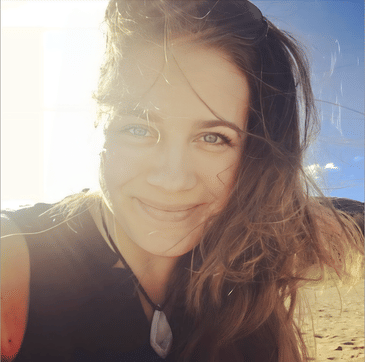

In this powerful episode of Sh!t That Goes On In Our Heads, we’re joined by Marie Alessi — grief advocate, TEDx speaker, and bestselling author. After the sudden loss of her husband, Marie found herself raising two young sons while navigating an ocean of grief. But instead of sinking, she built a new life rooted in healing, purpose, and compassion.
This episode is an honest and inspiring conversation about choosing resilience over despair, finding strength in vulnerability, and how emotional intelligence transforms the way we support each other through grief.
We’re honored to share that Sh!t That Goes On In Our Heads is the 2024 People’s Choice Podcast Award Winner for Health and the 2024 Women in Podcasting Award Winner for Best Mental Health Podcast, with over 2 million downloads and a growing global community.
Help Us Win Again!
We've been nominated for the 2025 Podcast People’s Choice Awards in two categories: The Adam Curry Category and Health. Vote before July 31, 2025, at: https://www.podcastawards.com/ (Use a valid email address — email verification is required.)Share Your Feedback
We’d love to hear from you. Send us your thoughts, questions, or personal stories using this link: https://castfeedback.com/67521f0bde0b101c7b10442aQuote from the Episode
“When you fall apart, you see what's left in you — and that was power.” — Marie Alessi
Episode Description
After losing her husband to a sudden brain aneurysm, Marie Alessi was thrust into a new reality: single parenthood, unimaginable grief, and a choice — stay buried in sorrow or rise and heal. She chose healing.In this episode, we explore the mental, emotional, and spiritual components of grief, parenting through trauma, and how mindset can change everything. Whether you're experiencing loss or supporting someone who is, Marie’s journey will leave you with tools, hope, and a reminder that light can exist even in the darkest spaces.
SEO Keywords: mental health podcast, grief and healing, emotional intelligence for kids, Marie Alessi interview, overcoming trauma, support for widows, healing journey, grief support, parenting through grief, resilience after loss
Meet Our Guest: Marie Alessi
Marie Alessi is a TEDx speaker, bestselling author, and internationally recognized grief advocate. She became a widow at age 45 and turned her personal tragedy into a movement to help others heal after loss. Through books, retreats, and coaching, Marie has guided thousands in transforming grief into a catalyst for growth.- Website: https://www.mariealessi.com/
- Instagram: https://www.instagram.com/marie.alessi.speaker
- Facebook: https://www.facebook.com/MarieAlessiPublicFigure
- LinkedIn: https://www.linkedin.com/in/marie-alessi
Key Takeaways
- Grief isn’t just sadness — it can also be the gateway to empowerment and connection.
- Children need more than comfort — they need the language to name their emotions.
- Allowing support into your life is a sign of strength, not weakness.
Actionable Items
- When helping a grieving friend, offer specific options (e.g., “Tuesday or Thursday?”) instead of saying “Call me if you need anything.”
- Use affirming grief language: “There’s a space in my heart for them,” rather than “There’s a hole in my heart.”
- Write a letter from your loved one to yourself — a powerful reframe for healing and self-connection.
Chapters & Timestamps
- [00:01:36] Marie on Being in a Good Place — mindset, structure, and allowing help
- [00:04:20] Therapy at 21 — breaking out of the victim mindset
- [00:20:53] The Day Rob Died — shock, intuition, and loss
- [00:27:13] Spiritual Epiphany — soul contracts and acceptance
- [00:29:51] Grieving Kids — helping children name and process emotions
- [00:40:26] Power in Falling Apart — grief as transformation
- [00:56:56] Self-Love as the Hardest Lesson — unconditional acceptance
Mental Health & Grief Resources: Tools, Books, and Education
Books & Tools
- Women Who Love Too Much by Robin Norwood This book helped Marie recognize relationship patterns that were rooted in unresolved emotional trauma, and ultimately led her to therapy. *(Search on Amazon or local bookstores.)*
- Books by Marie Alessi Explore Marie’s personal stories and healing frameworks in her published works. https://www.mariealessi.com/
Education & Community
- Simon Sinek’s “8 Minutes” (YouTube) A short but emotional talk on the importance of truly listening. It Means "I Need You": The Power of 8 Minutes
- Children’s Collaborative (US) An organization bringing grief education to schools is essential for emotional development and peer understanding. https://childrenscollaborative.us/
Special Shout-Out: Women Supporting Women
A big thank you to Melissa Crook of The F.E.E.L Podcast, who is helping women reconnect with themselves through intentional wellness.- Learn More: https://www.embracinglayers.com/
- Enroll in the Course: Course Link
- Workbook: https://www.amazon.com/Embracing-L-Fueled-Life-Empowerment/dp/B0FCDML1FB
Subscribe, Rate & Review
Love the show? Please subscribe, rate us, and leave a review. Every comment helps us grow and reach more people who need these conversations.Leave a review: https://goesoninourheads.net/add-your-podcast-reviews
#MentalHealthPodcast #MentalHealthAwareness #GriefHealing #EmotionalIntelligence #MarieAlessi #PodcastCommunity #HealingAfterLoss #MentalHealthMatters #SelfLoveJourney #NormalizeGrief #WidowSupport #ParentingThroughGrief #GriefSupport #WomenInPodcasting #PodcastAwards2025 #Grex #DirtySkittles #MindsetShift #GriefEmpowerment #SpeakYourTruth #PodMatch
***************************************************************************
If You Need Support, Reach Out
If you or someone you know is facing mental health challenges, please don’t hesitate to reach out to a crisis hotline in your area. Remember, it’s OK not to be OK—talking to someone can make all the difference.
- United States: Call or Text 988 — 988lifeline.org
- Canada: Call or Text 988 — 988.ca
- Worldwide: Find a Helpline
- Mental Health Resources and Tools: The Help Hub
Stay Connected with G-Rex and Dirty Skittles
- Official Website: goesoninourheads.net
- Facebook: @shltthatgoesoninourheads
- Instagram: @grex_and_dirtyskittles
- LinkedIn: G-Rex and Dirty Skittles
- Join Our Newsletter: Sign Up Here
- Merch Store: goesoninourheads.shop
Audio Editing by NJz Audio
[00:00:06] Hey there, listeners. Welcome to Shit That Goes Under Our Heads, the podcast where we normalize conversations around mental health. That's right. I'm Dirty Skittles and alongside my amazing co-host, you, Rex, we are here to share stories and tips from our incredible guests. Each episode, we deep dive into struggles and triumphs of mental health, offering practical advice and heartfelt support. Because no one should feel alone in their journey. Join us as we break the stigma and build a community of understanding and compassion.
[00:00:35] Tune in and let's start talking about the shit that goes on in our heads. Three! Welcome back to another episode of Shit That Goes On In Our Heads. I'm here with the amazing Dirty Skittles. And today we have an awesome guest, Marie. Welcome. I'm so happy to have you here. Welcome. Thanks so much for being here with me on this beautiful Sunday morning. Not for you, for me.
[00:01:05] You're in the future. The future is looking bright. I love that. I think that's awesome because the future is not looking so bright here in the U.S. But if it's looking bright in other parts of the country, the world, I am so happy for you. Yeah, there's gotta be some places, hey? Just on all of us, just positive thoughts and energy. Exactly. I love, love, love that.
[00:01:35] So how have you been today? I've been really amazing. I really am in such a great space in my life at the moment. So I just, yeah, I'm in a happy land. Amazing. Awesome. I like to hear that. What comes to mind when you say you're in such a happy place at the moment? I've done a lot of inner work lately and working in self-development myself.
[00:01:58] There are these waves that come through life, you know, and sometimes there are way more intense phases where things come up, you know, wounds that needed to be seen again or one more time to revisit. And I really feel like that you're going through stages and sometimes it's very, you know, it's like the ocean. Sometimes it's really rough and other times it's so plain. And at the moment I feel I've just come out of this massive wave and there's this smooth and sunshine and the water's clistening on the surface.
[00:02:26] So that's sort of my comparison where I feel I'm at the moment and lots of new projects coming into my life, which I really love. And I've just taken on the business culture and the VA in the same week. So I think that's how crazy and busy it is in a really good way that I'm like, I need somebody to come and bring more structure into my life and into my business. And even with that, I go through phases. So that's why that's where I'm at. I'm in a really good place.
[00:02:54] Things are just falling into place and coming my way. You know, there's amazing podcasts. They wanted to have me at the end of the year and all of a sudden they had a cancellation and wanted me on. And, you know, everything's falling my way. It's incredible. I love that though. I mean, cause I would imagine throughout like all your seasons of life, it's not always been calm and relaxed. Yeah, not at all. I've seen the rough seas and I've come through it.
[00:03:20] Yeah. What, um, yeah, for sure. What do you think has helped you get through all of that? If I had to put it in one word, I would say mindset. And that was not always great in my life. Really not. I grew up in a lot of victimhood mindset in my early years. I had a rather rough childhood, I would say.
[00:03:47] People who don't know might have a very different understanding of my childhood than I do, but it was intense. I just want to put it that way. And then my dad passed away when I was 20. So that's when I really dipped into a poor me. I'm the only one this happened to. This is really horrible. And it was, I didn't know how to handle my grief. The teacher see that I didn't know how to deal with it. It was very close to my dad. So it hit me hard.
[00:04:13] And then about a year after his passing, I started with therapy. I started working through all the layers that have allowed me and brought me to this victimhood behavior state. And I didn't like it. I did not like it. So I'm like, well, I think I need to do something about this because I don't know. I don't like myself at the moment and I don't like how I'm dealing with this.
[00:04:37] So I allowed help in, I think that's a key sentence for everything I do these days, allowing help in. It doesn't come naturally. It was really something that I feel we need to learn. There's a lot of this toughen up, you know, in society that we grow up in. And I, yeah, I started allowing help in and seeing different forms of therapy through and really delving into childhood and seeing where has it actually started, you know, the whole root cause thing.
[00:05:06] Where did my victim behavior start and what can I do about it? Who do I want to be through this journey? You know, there's so many choices that we can make. And people often get stuck in there, but I didn't choose that life and pointing at their, you know, whatever adversity happened. And I'm like, but you can choose what you do with it. And I'm pointing towards a future. And I had to do that to myself as well. You know, I needed to remind myself that we do have choices. It's all about, so what are you going to do with it? Yeah.
[00:05:36] Did you say you started therapy at 21 a year after your dad passed? Yeah. That is, I mean, I'm thinking of me at 21. I don't think I would have had the mental capacity to understand what I was going through. So how did you find that at 21? There's a really beautiful story to it. I have hardly shared this on podcast. Not that I don't want to, but the question hardly comes up. So thank you for asking me.
[00:06:03] I noticed a very unhealthy relationship pattern after my dad passed away. I was in a long-term relationship when my dad passed. We were together from 18 until 21. And he was like, you know, that third son for my dad in my family because I've got two brothers already. And he didn't have a dad or he was not in his life. Let me put it that way at that stage. So he became very close with my dad and we spent a lot of time together.
[00:06:27] But after, after he died, our lives went like, we shaped like literally two completely different directions. Because I had to grow up really fast and he was still in the same state basically. And that really became quite apparent the more I started, first of all, falling into this hall and then wanting to climb out of it. So I went through this rollercoaster of life. And I've got a very long story short. I went into three very short-lived relationships in that year after my dad's passing.
[00:06:56] And I tried a couple of months here, a couple of months there. And it was not until way later that I realized why I attracted that into my life because there was this huge fear of loss. So I subconsciously chose those where I knew I'm going to walk away. It's in my power. They can't hurt me. And so I chose relationships where we knew there's no future. But that was all subconscious. So, you know, I discovered that later. And a really dear friend of mine, she handed me this book and she said,
[00:07:25] Marie, I think you need to read this. And it was by Robin Norwood, Women Who Love Too Much. And that whole book was about unhealthy relationship patterns. And if you do recognize yourself in those behavior patterns, I think you should go to therapy. So that is the book wrapped up in three sentences. Wow. And I came to the end of the book and I'm like, I think I need to go to therapy. This is me, you know? So without the book, I don't think I would have been there that early.
[00:07:51] And I only just had this conversation last night actually about, wow, you started therapy with 21. I'm like, yeah. And I think that your life really, you know, those video games when you come to this spot and all of a sudden this character just, you know, zooms, I don't know what that video game is called. You might know it. My boys used to play it. And that's to me what happens when you hit adversity in your life. You just grow up a lot faster than others. Yeah. And that's why I think I got into therapy a lot faster than others.
[00:08:21] Yeah. I think it's pretty cool that your friend was there and like recognized that there was... She literally saved my life. I'm not saying that life-heartedly. Yeah. She recognized that you were spiraling and, you know, she just wanted to help. And that was her form of help. And I think those are the greatest friends we have in our life is when you have somebody that can really identify that you are not you. Yeah. She was incredible.
[00:08:50] She's been huge support for me over the years. And that although I moved from Austria to Australia and she moved to Denmark, so we live worlds apart now. And still she's such a positive influence with things like that because she was ahead of me at that stage in terms of self-development. So she knew. So thank you, Isa. Aww. Shout out, Isa. Yeah. Thank you. And what a way to like deliver the message, right?
[00:09:19] Like not forcing it down your throat, but giving you something that you can consume on your own time and sort of digest and get to that place. That's... Yeah. I mean, 21-year-old dirty skills. I don't know that I would have even read the books. I mean, at some... Yeah. To some credit to yourself, you know, you took the step. Thank you. Yeah. Because I can tell you... It really changed the trajectory of my life. Absolutely. 21-year-old G-Rex would have been like, yeah, suck it. I'm done. I don't need your help.
[00:09:48] I'm fine. Bye. And I feel like you touched on grief earlier. And I think there's the thought that came to my mind is like anybody who I've ever been close with that has experienced loss. It's like, no, you never know what to say to help them. And so I feel like to some degree, everybody sort of just stands back because we don't know how to deal with grief ourselves. Exactly. So it's like, how can we help you? Exactly. Yeah. Yeah. That is such a valid point because I felt so alone when I passed away because everybody
[00:10:18] did exactly that. Everybody said, I'm like, I don't know what to say. So nobody said anything. And I felt so alone and abandoned in this. Yeah. Wow. I never realized that abandoned that just came in and it's so... Yeah. That's exactly what I felt. Intense. Yeah. Yeah. Because what could you possibly say? You know, like what other than, you know, like, I feel like my go-to response in those moments with my friends has always been like, I'm here if you need me, but like, I'm not present and pushing. Yeah.
[00:10:48] Yeah. That's such a good one. And not many do that already. Like, yeah, we definitely talk about language and grief a little bit as well, but this is a really good go-to. Yeah. Yeah. And like for me, you know, I'm, I will tell them that I'm there for them, but I'll step back and you come to me when you're ready to talk. Yeah. Because that's what my friend, that's what my friends did for me when both my parents passed away.
[00:11:14] You know, I was in my early thirties when my mom passed and you know, just a, but feeling like what you said, abandonment, right? Like so many friends just didn't say anything. And I... Can we drop right into that though? Yeah. Sorry. I didn't want to cut you off. But I just think like a lot of my friends were like, yeah, they checked out. They didn't know how to say anything. So... Yeah. I'd love to, I'd like to jump right onto that if that's okay. Yeah.
[00:11:43] Yeah. I don't know if you can share the rest of my story yet, but I really want to say something here because this is exactly the point. So there's such a fine line that makes a huge difference in terms of really being there for others. But a lot of people who are in this, I'm here for you. Just call me when you need anything. And that just call me when you need anything sort of add on changes the entire message because I can promise you I want. And a lot of people, I'm talking hundreds of people have said that to me. Let me know if you need anything, anything, Marie. I mean it. And I trust them. They mean it.
[00:12:13] But I didn't know how to reach out for help. Right. And here's a little thing that happens that is actually huge. When you have just gone through an experience like that, and a person so close to you that you've built an entire life with has passed away, and I'm going to get to that part of my story. And then somebody said, oh, just reach out to me if you need anything. I didn't realize what was happening, but again, subconscious. Okay.
[00:12:41] If I reach out to either of you and I'm in this, you know, despair space and I'm in not in a good space, I'm really vulnerable and I need help. And for whatever reason, you know, you don't have time for me. You'd go like, I'm really sorry I can't do today. There is rejection. And then there's this next tiny little feeling of loss. I want to say, or grief, you know, this, she's not there for me.
[00:13:07] And that is why I'm not going to reach out because I'm going to spare myself that additional heartache. I'm not going to ask. There's the tiniest chance that you wouldn't be there. So I want to change it too. And I often say that to people, when you have somebody in your life that has just gone through something like that, somebody in their life has died or even divorced, there's this feeling of grief. Then please be kind to them and go that tiny little bit further than I'm here for you and
[00:13:35] they're like, I'm coming over next week. Do you prefer Tuesday or Thursday? Or I'm cooking for you next week. Do you prefer chicken or pasta? You know, give them two super simple choices and mean it that you're there because then they, I'd really love to drop in tomorrow. Are you around? And they give them the chance to say yes or no. It's simple. It's a yes or no. It's a chicken or a pasta. It's a Thursday or Tuesday. Make it simple and mean it. Don't just go like, I'm here if you need me. Right.
[00:14:04] Because I guarantee you, I need you now, but I'm not ready to say it. Right. And that was... It's time to understand what was happening in my subconscious. That fear of rejection that holds you back from actually reaching out when you really need it. Yeah, that's, that is exactly how I would interpret it too. Right? Like, I know I had a friend or I have a friend and she lost her mom. And I remember being almost like paralyzed with like, how do I show up for her?
[00:14:32] Because I don't know how I would take what happened right in my own personal life. And I remember just... Yeah. And I remember thinking like, I would never burden my friends, even if they said, you know, tell me if you need me, I wouldn't want to burden them. And so all we could do... I remember me and my husband and my mom, like my ex, like got my whole family involved that we all just made freezer meals and just dropped them off. We didn't ask questions. But even still, like, I just remember thinking like, shit, if she actually did come to me,
[00:15:02] how could I show up? You know, like, how could I help her through that? That's really... Yeah. I can tell you one thing that helped me. And I remember this because I just got done listening to Simon Sinek. He has a YouTube video called Eight Minutes. I love it. I'll just share that. Yeah. Love it. And I wish that more people would listen to that.
[00:15:29] Because listening doesn't really require action. Just listen. If you would just listen and not have... And let us get those feelings out of our head. Yeah. That sometimes that's like the most powerful thing to do. Yeah. It's one of my favorite. And every time I send it to somebody... And please share that in the show notes. Yeah. That video is life-changing for me. Absolutely. Every time I share it out, it makes people cry.
[00:15:56] But because they remember like what I was going through. Yeah. But for me, I didn't tell anybody what was going on with me. Because I didn't know how to tell them what was going on. Yeah. Yeah. Yeah. Nobody knew until after the fact. Right. And I caught a lot of shit for it. But... Yeah. When you don't... When you can't find the words or you can't find your footing, it's really hard to tell people what's going on. Yeah. But you know, thank God for Dirty Skittles.
[00:16:27] Thank God for my wife. You know, this podcast was born out of that really dark place. And here we are. And kind of... Yeah. And circling back to like the grief topics. Like you had mentioned your father passing. We kind of talked about like as a friend, like how do we show up for each other? Right? And to your point, G-Rex, like not knowing how to express what you need. Like I feel like that's similar in grief. Like you don't know, right? Like you don't... Yeah.
[00:16:54] ...you don't know how somebody can show up for you other than like to what you're just having somebody there to listen and not be alone. Yeah. Especially when your whole world has just fallen apart. I'm like, I don't know what I need to survive to get through the next day. You know? So I know I touched on that before. I'm just going to share the rest of my story so listeners understand what I'm actually talking about here because I, after a while going through this whole self-development journey, I made it to my 30s. Yeah.
[00:17:21] And in my early 30s, I actually finally moved to Australia. So I knew since I was about 17-ish that I was born on the wrong side of the planet for whatever reason. And my heart was always drawing me to Australia. Always felt like I need to move there. I couldn't even explain why I had never been there. I didn't know. 97, I finally got there for the first time. I was 25. You can do the maths now. And I instantly felt like coming home.
[00:17:51] So the three following years, I made it to Australia like nine times. I was literally just flying back and forth, spending as much time as I could here. And then eventually in 2004, I moved here for good. It was my 12th flight to Australia was finally one way, you know? So I grew roots here really quickly because I basically started growing roots before I even moved and had friends here then.
[00:18:14] And about 10 months after moving here, I met Rob and another 10 months later, we were married. If anybody would have told me that, I'm like, you're crazy. That's not why I'm going to marry a man that I just, you know, met 10 months prior. But Rob proposed to me five months after meeting him. And I was, of course, there was just this, what everybody talks about. And I never understood when you know, you know. And I met Rob and I knew he was the one. He was the one.
[00:18:42] My knight in shining armor, you know, he's just really swept me off my feet. And we had this dream barefoot wedding on the beach that we both always dreamed about. We have two beautiful sons, Flynn and Jit, that are now 17 and 15. And we had this absolute dream relationship as in really in tune, very connected. Everybody looked up to us as, oh, that couple, you know, Rob and Marie.
[00:19:08] And, you know, it was just absolute fairy tale basically until Rob went on a business trip and didn't make it home. So he was five hours flights away from us and died from a brain aneurysm. Absolutely no pre-warning. There was no signs, nothing that could have indicated this. It was just a split second and he was gone.
[00:19:32] And I remember that day so vividly, as you can imagine, because I was the one who eventually called the hotel. I was calling and texting and my anxiety levels were rising because Rob was one of the most reliable people I've ever had in my life. And for him not to wake me like he said he would the next day and then not answer his phone and then not text back. I'm like, something is not right there. And you go through the excuses in your head. He might have left the phone in a hotel.
[00:20:00] He might have lost it in the cab like he did on our wedding night. You know, you go through all these things. I'm like, what could have happened? And then eventually I called the hotel. And as I said to them, can you please send somebody up to my husband's room? I feel there's something not right. You know, it's not calling me back. Don't think I'm one of those freaked out by stalking her husband, but I know there's something not right. And as I'm saying that, I had this split second of a vision of Rob collapsing in the shower.
[00:20:28] And I remember shaking my head physically thinking, stop it, Marie. Don't go there. What are you doing to yourself? You're driving yourself crazy. And I just, but I said it to them. I said, and can you please check in the shower? I thought they must think I'm nuts. You know, like saying that, I don't know why, but I said it because I saw it. And that's where they found him. He really did. Wow. And I, it was not just the fear. It's actually what happened.
[00:20:52] So yeah, it was the second really deep point in my life. And I, from the get go, handled it a whole opposite to what I went through when my dad passed away.
[00:21:19] So I'm going to delve right into that as well, because I often talk about the hidden gifts in adversity. And for me, one of the hidden gifts in the adversity of my dad dying was for me to learn how I didn't want my boys to go through this. And Rob and I, another hidden gift, actually had the what if conversation about three years before he passed. Rob came past the fatal accident that night, and he was on his way home from work. And he rings me up and goes, babe, I'm going to be like two hours late.
[00:21:49] He's got roadies closed. And that's like a road going straight through the national park. There's no way around. If you do a detour, it's like a two hour at least. And we learned that a young dad has lost his life that night. His daughter, 16 months old, you know, first time mom at home waiting for him to come home. It was horrible, absolutely horrible. So that night we sat on our bed and had this conversation. What would you do? You know, our boys were so little when we heard that.
[00:22:16] They were probably about five and seven, maybe, if even four and six. Yeah, five and seven. So we talk about that. And the outcome of our conversation was if something was to ever happen to me, I would want you to create the happiest life possible for you and the boys. Because that's what love is. Love just wants you to be happy. And exactly that became my North Star in my darkest hour.
[00:22:44] When I received the phone call, I'm sorry to inform you that your husband deceased in a hotel room in Perth this morning. Jesus. Yeah. Holy shit. Yeah. Wow. Holy shit. Wow. Wow. Wow. Yeah. That's tough. Deep breath every day. That's tough. I know. I'm thinking like, shit.
[00:23:12] First of all, I can't, just the human nature part of me cannot imagine your loved one being so far away. And then this happened. So then do you have to now book a flight to like how, I mean, cause you want that, that loved one close to you again. Right. But how can that happen now? Like, that's tough. That's tough. And then you have to. Exactly what we did. Yeah. Yeah. Book the flight. Yeah.
[00:23:40] Well, first of all, I had to tell the boys, you know, that was by far the hardest thing I ever had to do in my entire life. Yeah. Telling them that had died, there is no sugar coating. You have to say it straight out. There is not. How can you prepare them for that? Yeah. So we sat in that really primal moment. And I held space for them and we cried and they screamed.
[00:24:09] And then I packed up my things after a while. I'm like, we're going to Nona and Nona. I knew I had to tell Rob's parents in person. I knew that I didn't want them to have to hear those news over the phone. Cause this is incomprehensible. You just, is that the right word? In incomprehensible. It's not bilingual brain, but you know what I mean. It's really hard for your brain to wrap itself around those news, let alone when you hear that over the phone. So I didn't want them to go through that.
[00:24:39] I packed up the kids. We drove off there. And the way I told his older brother first. Then my mom, cause she was due to fly out to Australia to come for Jed's Holy Communion. And so the flights were already booked. It was like 11 days later. He was here. And, and then I rang his sister and then I was already at their house. And I told them it was absolutely horrible to witness his dad all apart. That was really horrible.
[00:25:10] And we stayed there that night. Friends and family came over. We were standing around the kitchen. I was hiding in a corner basically, and just staring at my boys. It was such a surreal space. I even feel the emotion going, you know, going through my stomach now when I recall that moment. And the next day we booked a flight to Perth and flew over to identify Rob's body. And we were very lucky that we had previous neighbors who lived there who picked us up from the airport, who literally took us in and held space for us while we were going through that.
[00:25:39] I drove us to the mortuary, cook for us or for the boys. I couldn't even eat the first few days. I could hardly eat. I was just in this functioning mode. And then we came home on a flight that Rob was supposed to come home. Jeez Louise. Yeah. That's, it's almost, there are certain parts of what you've shared that almost feel like divine intervention at some level, right? Being pulled towards a place and not knowing why.
[00:26:09] Finding the love of your life in that place. Having this conversation months before you have to actually live it. And having like that, that North Star to lead you through all of that. Yeah. That is, I just don't know how many stories where that has happened.
[00:26:29] Like, I mean, as tough of a time that had to have been for y'all to have something there that I think was like a divine. Yeah. Yeah. Yeah. Yeah. I don't know how I'll swear to it, but there's beauty in that. There is. That's why I love talking about these things. I agree with you. You know, most people wouldn't even call it all this beauty in that.
[00:26:55] They just look at all the horrible things or the really deep, mad emotions like grief and sadness and primal falling apart and all that. I had my fair share of that after the funeral was over. But I also had this absolutely, I call it my spiritual epiphany a few weeks after I passed. I was standing up in our bedroom and all of a sudden it hit me so deeply and so beautifully that I thought, I didn't feel it beautiful at that time.
[00:27:24] It did come a little bit later because I needed time to process it. But I'm saying that in hindsight, I had this amazing moment of, wow, we have chosen this. On a soul level, Rob and I have chosen this as our path. This is our soul contract. And there was a level of acceptance that washed over me in that moment. That was really, I have no word to describe it.
[00:27:51] It was like, you know, pouring balm on a wounded soul, basically. That's what it felt like. It was incredible. It was really incredibly healing to understand that in that moment. Although, as I said, it took me a few weeks or a couple of months to really process that information that came to me. Yeah. And how did your kids handle the grief? Were you able to help them through that?
[00:28:24] A part of me wants to say not well at all. And another part of me wants to say they were little troopers. They handled it as well as they could, you know, and there was probably all of the above. We went through different phases. We went through different times, minutes, days. My youngest son, he was eight at the time. He found it really hard to deal with it. There were tears at first every night, then every second, every third. It got a little bit bigger, the gaps in between falling apart.
[00:28:54] But he fell apart almost every night. And because night time was when everything quiets down and then the emotions hit you even more. So daytime is easier to get distracted. Right. But I just, I literally just held space for everything and all of the above, whatever came in. I wanted them to know that it's okay.
[00:29:11] So I think one of the biggest things we can do, we are in such a fix it community to not say, hey, it's okay, or you'll be fine or whatever, but to validate and acknowledge the emotion they're going through. That is huge. It takes a lot because you want them to feel better. You want to say, hey, come here, you know, it'll be fine. But right now it's not, it's not fine. It's not fine that my dad just died. I get it. Mm-hmm.
[00:29:37] And I hear you and I want you to know that I really want to, you know, see you in all your feelings. It freaking hurts and it sucks that your dad just died. No, it's really important to tell them that. And I want to quickly say one other thing here because I sat with a really close friend of mine yesterday and she's a widow and even younger than me.
[00:30:00] And not that I want to compare, but you know, it's just really, it was intense for her and her kids were six and nine, I think when her wife passed away. And her little one kept saying, I miss my mom. I miss my mom. And then eventually she said to her, do you really miss her? Which is okay. It's absolutely okay to miss her. Or are you thinking about her? Mm-hmm.
[00:30:27] And then she's like, oh, you know, and she started giving her more words for more feelings rather than converting everything to, I miss her, I miss her, because it becomes a rinse and repeat. And that can happen. Yeah. Because it becomes a coping mechanism. We don't know, we don't have any other words. So giving people words, how to actually express emotion, how to deal with it, and giving them different emotions, which we need to do anyway with our kids to teach them. Yeah. It's not so sad and happy.
[00:30:54] There is a billion emotions and layers in between, in all shades. And to give her words. And then she said she realized a couple of weeks later, she's like, I've been thinking about mom. And she's like, good. Was it a good thought, a happy thought, a sad thought? You know, so she was into all of that. Okay, it was a thought. Let's go with that. You know, what was good or was bad about it? What do you want to share it? And I think that is so brilliant to give kids tools and words.
[00:31:22] Words is so important to actually express what they're feeling because again, it comes back to validating what they are feeling, what they're going through. A thousand percent, I agree. Like, it's something before we had our son, I remember trying to be very mindful and the things, the qualities I wanted to make sure we showed or, you know, we taught as much as we could and giving words. Because I know how therapeutic it is for me.
[00:31:51] Like, if I'm going through something or we have guests on the podcast at times that I can relate to the story and they say something and it's like, oh, yeah, that was what I needed was those words to nail exactly what this emotion is or exactly what that is. And so that's one thing. Yeah. And there's almost a release to it too, once you can identify it correctly. It's almost like you can move on or not even move on, but you're able to move through it instead of cycling. You process through it. Yeah. Yeah.
[00:32:22] Next level. Next step. Right. Right. Right. And I think what's hard is like in schools, right, for kids, even like when I was growing up, we didn't talk about that, right? Like they didn't help us come up with those, they didn't help us with those words. And so you go, you know, later on in life and you're like, well, like, I don't have a word for this. I don't understand. And that's kind of how I felt. Like I didn't have a word. Yeah. Yeah.
[00:32:51] And grief is not taught at schools. And it's actually quite shocking when you think about the statistics. I know that here in Australia, one in 20 children loses one of both parents before they turn 18. And I had a lady on my podcast only a couple of weeks ago and she said in Utah or in America, I'm not really sure if it was just Utah or America, I believe it was Utah, it was one in 14. That's huge. And I'm like, with those statistics, how can we not teach that at schools? Yeah.
[00:33:18] And she was actually doing a grief awareness program and it started in Utah. And yeah, so I want to give a shout out to Children's Collaborative as well. They're doing incredible work. It's huge. Children's Collaborative.us. So just look it up. It's incredible. They do these grief awareness programs in schools and we need that. Yeah. That's so bad. The kids don't know. This is where it starts. Other children don't know what to say to a child that had just lost his or her dad or mom or whoever, they don't know what to say because they're not taught.
[00:33:48] They're not taught at home. They're not taught at schools and we need to normalize these conversations. We should be able to talk about death just like everything else. But people still find it really confronting and they find it uncomfortable to talk about death. Like take me to a party. What do you do for a living? Be, be, be. Other round. It is like, I still don't know how to say it without the energy in a room dropping on mic and then I feel like I need to, you know, do therapy on them and go like, it's fine. It's fine.
[00:34:17] I'm in a good space. You know what though? If I was at that party and you would say that I would put that like file it away over here so that when I need that, I'm, oh, I know somebody that does. Yeah. I think, yeah, I agree. I think grief and dealing with that is something we should teach, but even more, I think just emotional intelligence. Like why don't we teach children what they're feeling and how to get through that? Like it blows my mind. Yeah.
[00:34:47] The things I'm learning as an adult and I have to bring up this movie again, but the inside out fricking series. I just am so happy to see that is communicated to children because it's something that I hope should my son ever feel those emotions, he can identify what they are because he's been taught now. Like he saw it in a movie and he loves them. So I'm like, how old is your son now? Seven. Seven. Seven years old.
[00:35:18] Yeah. That's a good idea to teach him that. Yeah. He's pretty. And that was one thing that I knew I wanted to do was I didn't want to hide how I felt. Like if I was having a bad day or if I felt anxious, I didn't want to have to lie. If he says, mommy, is everything okay? I didn't want to be like, I'm just tired. No, I wanted to say, you know, I'm anxious. I'm anxious. I feel overwhelmed because this, or, you know, to a level that he could understand so that
[00:35:45] he could, he knew that those emotions existed, I guess was the goal. Yeah. You're an amazing mom. Oh, thank you. She is. She's a badass. A lot of thought. Very mindful. She's a badass. I just, I will always say that she's a badass. Um, go ahead. No, go ahead. I'm thinking about the question.
[00:36:04] I was thinking, I wonder if your children knew that you could relate to what they were feeling in that moment because you had lost your parent. Like, and I put that out there because I don't think until I was in my twenties that I understand that my mom was a human being and not just my mom. Yeah. And finding out that she had real life experiences and things that she had gone through and seeing her on like a human level, I think.
[00:36:32] So I would hope that, you know, if I would be able to look to her for guidance because she herself was a child who lost her parent. You know what I mean? Yeah. I know from fact now, and it took me a little while as well to really own that, that I am an outstanding mom of it to them. I really am. And I own that.
[00:36:56] I'm not saying that from a space of ego because I'm keeping it real because I have fallen apart because I had a breakdown in front of them and then pick myself up and explain to them what just happened and why and where the emotions were coming from. And that I couldn't hold them for myself and that I needed to go and get help. So I kept it very real from the beginning. And I also knew that I had to pick myself up. So I mentioned that twice. And so I'm going to quickly share this. I, on the day.
[00:37:21] So coming back to the timeline, my mom was booked with fly out to Australia 11 days after Rob died. And then we had the funeral after she came here, midweek funeral on a Wednesday, five hundred people there. It was incredible. It was such a celebration of life for Rob. And I love that we did that way. There was laughter in the room. There was lightness. There was joy. There was love and there were tears. So it was all of that. And that to me, that's how it needs to be.
[00:37:48] And then the same week on a Sunday, we had the Holy Communion project. And that night I had an absolute breakdown. I fell apart because everything that needed to be done under big quotation marks was ticked off the list. So there was no immediate strength needed anymore. And I fell apart. I went into this. The boys were fighting over brushing the teeth upstairs and so it just, you know, unfolded very quickly, you know, this little avalanche and all of a sudden.
[00:38:18] And I burst. And it was the sentence that came out was I just need peace and quiet. I literally yelled it out on the bottom of my heart. And as soon as I had said it, there was no returning. There was like, it was like this valve had opened that I couldn't push close anymore. And I kept saying this sentence louder and louder. I was screaming it. And then I was literally primal screaming it on top of my lungs. I was whacking the kitchen cupboards. I was falling apart.
[00:38:47] I found myself on the kitchen floor. I don't even remember falling. It was such an out of body experience that all I can remember was me watching myself, whacking the kitchen cupboard screaming. And then it was just pitch tone, primal scream. And then everything was silent. And the power that I felt in that moment, I cannot even put into words. It was ridiculous and so scary.
[00:39:17] So I sat with the boys after it happened because then it was just like, oh my God, the boys, oh my God, you know, like they witness all that. I have to now explain that. I have no words to explain that. So I just did my best to talk them through what just happened. And then two days later, it happened to one of my sons and I'm sort of glad that it happened to me first because then I have to say this is what it feels like. Not as empty, but just really, I hear you. I feel you.
[00:39:43] I know how hard and scary that is when you experience that. And let's do something about it so you can feel safe. So you have words so you can express your emotions without that having to burst out. Because it only bursts out because we haven't released it before, you know? Right. So I went and saw a positive psychologist and allowed help in, you were coming back to the sentence I said at the very beginning, allowing help in, so powerful. And in one of our sessions, she asked me exactly that.
[00:40:13] I said, you know, there's all these expectation around people, like from people of how I'm supposed to deal with grief. You know, they're expecting you to fall apart. They're expecting you that it's hard and it's heavy and that's all we learned about grief. They don't talk about healing gifts. They don't talk about the love that you feel. They don't talk about the healing, the connection. The connection that happened between the boys and I, we were already so close before, but what happened thereafter is a love and a connection that I cannot put into words. Nobody talks about these things. Nobody talks about these things.
[00:40:42] They're beautiful. They're really beautiful. Amidst all the grief, amidst all the hurt and the pain, there's such beauty and depth. And for us to allow for all of that to be validated, to be seen, I think we have a lot of work to do around that. So she asked me what grief meant to me. And for me, the first word that came up was empowerment. And I did not expect that.
[00:41:07] I did not expect that to be my understanding of grief, but it came back to the power that I felt when I fell apart. You know, when you fall apart, you see what's left in you and that was power. Yeah. That was amazing. And I took that power to rebuild myself and to build it for the boys and to be there for them and strengthen them and hold them in their storm. And I decided to write a book about it.
[00:41:34] The book reigned in the top 100 facilities of Australia. And I'm like, oh, okay, I think I've got something the world needs. And that's sort of what kicked my very harsh turn of my career into place of building movement. I built healing journeys, programs, retreats. I did a TEDx talk, wrote another few books and took about 5,000 people on the healing journey from 2019 until 2023. So I had this moment of, I'm done. I just took away. I've got nothing left.
[00:42:03] I cannot hold space for any more people right now. So I needed a break after that because that was a huge whirlwind as you can imagine. So that empowerment and grief, you saying that, that whole sentence, like my brain cannot even get there yet. I don't think I've ever felt that before.
[00:42:31] Like feeling power when it's, when your world is falling apart, when the control is gone and you've just, you're left bare, right? Like that is you at the root of whatever it is you're going through. Yeah. Yeah. I can't even imagine. I wish you were around. I think you can. I want to just quickly question, because I think that's exactly what you just said. I want to use that as an image. Your whole world is falling apart. Yeah. Like think Amageddon.
[00:42:59] Think those movies that we all watched, you know, where the world is literally falling apart. I mean, how much power is there in just everything falling and there is not silent and soft. Yeah. There's power when everything falls apart. That's the exact power that I felt that I knew I could harness or wanted to harness. I didn't know that in the moment. Yeah. Trust me. Not at all. But then, you know, when I had the person holding space for me in such a safe way, that's when I could recognize it.
[00:43:27] That's when I could tap into that power and actually start harnessing it. Not in the moment. Yeah. Trust me. Yeah. I, there was something else that it triggered this memory in me when you were saying how you were repeating that phrase over and over again, getting louder and screaming and the silence afterwards. I remember I had a friend who we had gone out. It was upstate New York. Everybody was drinking. Long story short.
[00:43:51] I remember waking up to the sound of him having a seizure, which fucking let's talk about that was not something anybody signed up for could ever be prepared for. But I remember in that moment, I do horrible with emergency situations because I freeze. I don't necessarily react. But in that moment, I just remember yelling for help.
[00:44:13] And to what you said, like resonated just getting louder and louder to this point where like it's like this guttural, almost like animalistic yell of a human being that I didn't know I was capable of. So when you talked about the empowerment, I remember thinking like, I could have swore that like I split some time warp with how loud I yelled in that moment for help. So to me, I... So it didn't face you acted exactly like it was needed. I did, you know, as best as I could.
[00:44:42] I wanted to own that because we often go into these, oh, I don't know what I'm doing, but you were doing it. Yeah. You were doing exactly what was needed. You got help. Right. Right. Yeah, that is... Yeah. And I know multiple stories about that. And you didn't. That's true. I hate to say that. You're right. I used my voice in that moment. I wish she'd been around when my mom passed away.
[00:45:03] So my mom passed away in 97 and I was living in Florida at the time and got a call at four o'clock in the morning that my mom had passed away and she was living in Colorado. And that moment of... My mom had been sick. My mom had leukemia. Yeah. So, like, I knew it was going to happen, but to get that phone call was... Yeah.
[00:45:32] I think you guys all know that, you know, the... Your mother-daughter relationship is really... It's pretty tight. Right. Right. So to get that phone call, being so far away and not knowing how to deal with my grief. And, you know, I still deal with it now. I think about my mom every day. Yeah. And, you know, in hopes that she sees that I actually did do something good with my life. But... She does, trust me.
[00:46:01] It's what you... The way that you explained everything, like, I had multiple, like, breakdowns. And I don't think I really, like, recovered from the grief for almost two years. You know, I still deal with it. Yeah. You know, just thinking about it makes me cry a little bit. But in a good way. In a good way. Because now we talk about it, right? And, like, how we talk, like, with the podcast.
[00:46:31] Like, we want to... We're really trying to normalize these conversations around mental health and grief and sadness. Yeah. And I just think that this is such a powerfully amazing conversation that we're having. And I'm so grateful for you and for everything that you've put out there. Thank you. Yeah. Yeah. Yeah, this has been... I think that it all, like, as you said, I really feel that too very strongly.
[00:46:59] We do need to normalize these conversations because sooner or later everyone's going through grief. The two things that are certain in our lives is that we're born and that we die. Yeah. You know, so everybody's going to experience it sooner or later. So why don't we normalize it a bit more? Why can't we give that words and emotions and attention? And it's not just grief of, like, losing someone, right? It's grief of, like, everything. Like... Yeah.
[00:47:26] You know, the world's a crazy place right now and, like, there are... There's a lot of sadness in the world and people don't know how to talk about it. They don't... Like, when somebody's been wronged or... You know, because it hurts us. It hurts our hearts. Mm-hmm. Yeah. And I just love your approach of, you know, that there's... Even in adversity, we still have these little hidden gifts, right? Yeah. Like, we love a little harder.
[00:47:56] We love a lot stronger. We embrace those things that bring us joy. A memory is always going to be there, right? Like, that's what keeps me going is the memory. Oh, I love that. I'm going to share two really powerful things that, you know, comes back to when I said we need to talk about language a bit more. We need to give people the right language to talk about things. And one of the things that a lot of people say, will there always be a hole in my heart? And I...
[00:48:25] I wish other when people say that. I'm like, you can't survive with a hole in your heart. And I know that's not what you mean. However, this is the vision that I get when you talk about a hole in your heart or a hole in my heart, I'm thinking like Rob and all the beautiful memories just falling through and they're gone. I always say there'll always be a space in my heart for Rob. And that to me is such a tiny shift and it just literally broadens the space in my heart and not, oh, there's this hole and it falls through and it's sad.
[00:48:55] I love saying there'll always be a space in my heart for Rob because there will. There will always be such a big part of my life. And obviously in the boys' lives. That is the one thing that I wanted to share here. And the other one was so powerful for me because again, I come back to what society usually uses. And there is this line that we all know and I've all heard and use it a lot, especially in the mental health space.
[00:49:20] And yes, there is a time and space for that as well, which is, it's okay not to be okay. And I hear you and it's important to know that it really is. I don't want to diminish the value of that. And then a friend of mine came in and he, like his son died by suicide. And he had this amazing sentence that a really beautiful friend of him said to him at that time when he was going through his healing journey.
[00:49:46] And then he said it to me and it was this 180 degree turnaround in my brain, in my heart, in my being. And he said, Marie, it's okay to be okay. You know, that was so powerful. And I want to say that in particular for you, Gretchen, you know, when you think of your mom, it's okay to be okay. It's okay to live your life wholeheartedly.
[00:50:13] She would want nothing else for you but that, but joy and being alive and taking it by the horns and just riding that ball and just go through life cheering and doing what she can't do anymore. You know? So for me, there was also that I want to live my life to the fullest because we all didn't get that chance. Not just for him, but also, and for me and for the boys exactly like I thought it was. Make the life and create the happiest one possible for the boys and you.
[00:50:42] I'm doing it. I am doing it. And I'm loving it. I know he was freaking proud of me. Yeah. I love that you said that. You're living life to the fullest because he's not here to do that. And like, I, that's, I think where the beauty that I see in this story is that, you know, like you mentioned celebrating his life. It was a celebration of life. And I think that carries on after the, those that we love are gone. Right?
[00:51:09] Like still have, we still have the rest of our life to live and we shouldn't have like the hole in our heart. They are still a part of our decision. So I, yeah, I love that you said that. So I, I have one thing for you to re skittle. So, you know, you always talk about, you know, the folder on our phone of photos that bring us joy. Yeah. So in my folder of things that bring me joy are four or five pictures of my mom and every, every now and then they cycle through. Right.
[00:51:38] So I have it on like a loop and the picture came up the other day and I was being like super creative. And I've, cause now when I work, now that I'm working for myself, I can have all this immense free time. Mm-hmm . But I wrote a letter to my mom. Like it was a letter that I wish I'd written when she was alive, but it made my heart feel good.
[00:52:04] And for me, that was like still processing the fact that she's gone, but knowing that she would be so happy to see that I took all the pain in my life and turned it into purpose. 100%. 100%. I give you another little gift, Gretchen, especially for you. Yes.
[00:52:28] I would love to, for you to take the next step as well, if you want to, or whenever you're ready. Because this is something that I often say to people that I work with in the space of grief, to take that letter to another level. And I think it's important that you wrote that letter first. And now that you've done that to step into your mom's perspective. Oh. And write a letter to you. Oh. Where you at now. Yeah.
[00:52:57] Your face just lit up. That's deep. Yeah. That is deep. But like, I'm already thinking about it now. Yeah. Yeah. Well, where have you been my entire life? Like, it's been over 20 years. It's been over 20 years. I was still in Austria, actually. That was when I first flew to Australia. And October, 97 was my first flight to Australia. Awesome, man. Yeah.
[00:53:22] But that is so powerful because often when I came up with an exercise at the retreat, people were like, oh yeah, we're right. And I was like, oh, different letter. They all think they know what's coming and they talk about the letter that you have written. And I think it is really important and beautiful. And I think this next level is where the healing then comes in even stronger. I don't want to say the other one doesn't bring healing because it does. But then, you know, stepping it up a notch and really stepping into the perspective of
[00:53:50] your mom, looking at you now, what you've done with your life, how you said yes to life, how you made the decision to keep going and celebrate. And what you do now with such an amazing podcast, you know, where you offer something that is so needed in this world to talk about things that are not easy to talk about. So, yeah. This has been the best therapy session I've had. This is the best. Perfect way to end our day, right? Like... I'll send the invoice later. I'm just saying. Okay, great.
[00:54:20] Like, do you want that in US dollars or Australian dollars? You know, just let me know. But I... Like, this has been... It's something I needed to hear. And I appreciate you so much. Yes. I feel better. I feel better. Light. Lighter. I feel lighter. Like, you know how you have like a weighted x-ray blanket on? Yeah. I feel like I can like peel some of that off. Yeah. You can just let it all go if you want to.
[00:54:50] If you want to hold on to it for a bit longer, that's up to you. But yeah. Okay. I have two questions for you. Question number one. All right. If you could go back in time to visit a younger version of yourself and give that younger version some advice, what would you say? And how old are you when you go back? Oh, 12 came up. No idea why. Where was I when I was 12? Oh, okay.
[00:55:20] So when I was 12, this is when I turned from being a mama's girl to a daddy's girl. And my dad became the most important person in my life. And we moved to this amazing winter tourism place in Austria where we had the frozen waterfall in the middle of town and everything was just so picturesque and beautiful.
[00:55:41] And I feel that to me was a fresh start in life to becoming who I was like really no more hiding away fresh start sort of out of the childhood that we knew into new opportunities. And what I want to say to my younger self is, oh, here it is. Love yourself.
[00:56:07] Everything in life that needs or wants success needs self-love as the base, whether that is business, whether that is relationship, whether that is healing. If you don't start with self-love, it's like building a high riser on the sand. You need to build the base first for it to keep standing. Anything else will just crumble. That I think is the most important message.
[00:56:34] And I really deeply wish I would have learned that earlier and not when I was almost 50. I love that. Maybe 50. Yeah. That's how I learned that lesson. That's how long it took me. And I really wish I would have learned that earlier. Yeah. Second question. So far, what has been the hardest lesson that you've learned? I think it's the same answer, to be honest. It really is. Like self-love was the hardest lesson for me to learn.
[00:57:04] It sounds so easy, but it's not. Yeah. It takes so much work and acceptance and dropping the judgment towards yourself. And as human beings, we do judge. That's what we do. No matter if you want to admit it or not, we do judge. And to drop that judgment towards yourself is really hard. Right. And to go like, I love myself despite not feeling or being or looking the way I think would be my ideal.
[00:57:33] You know, to start with love and acceptance first before we do the changes. We always think if I just, a perfect example for women, if I just lose 20 kilos or 10 or 5 or whatever your number is, then I love myself. I've done it that way around and I did lose to 20 kilos and I still didn't love myself. And then I put it all back on because I need to learn the hard way. And then I love myself and then I could actually start doing it in a healthy way because now I love myself.
[00:58:01] And now I want to nurture my body because I love myself. And not I have to lose so I love myself. You know what I mean? Right. All self-talk that's going on. It's just such a basic example. That's why I'm using it because a lot of people would be able to relate to that. Right. And really starting with self-love again. I think, yeah, that's what I would like to turn my younger self in. It was definitely by far the hardest lesson to learn for me. I'm still learning, I think. Thank you. I'm 61. I'm still learning.
[00:58:32] I have two questions for you. So the first one is, if your anxiety had a theme song, what is it? And why? I was running around like crazy in the arena. Yeah. There's fire breathers. Yeah. That's so funny. The very first time, Casey gave me a little bit of a heads up and I completely forgot that question. So thank you. Because the first time you asked me, I know it was a Fraggles song that came up.
[00:59:01] And now it was a... Yeah, that's probably how I'm going with that. That is so perfect. And then the second part of this question, which is going to be a third part. What is your favorite word? Love. And what's your least favorite word? Sorry, I'm not just using it because it's the polar opposite, but it is really a word that I've been saying to my boys from when they were really little.
[00:59:30] Hate is a really strong word. When you use it when it's really necessary, you know, you might dislike spinach, but you don't hate it. I think it is not just because it's like the basics, you know, love and hate sort of thing. It is because, I mean, to me, everything is love. You know, everything else is just the accents of it, really. But when I think of that, there is a lack of... It comes back to what we said before, you know, the emotional intelligence that we don't teach at schools.
[00:59:58] It comes back to a lack of words when we revert to words like hate. It's like the first word that comes up when something is don't like it. I hate it. And I'm like, I always said that to my boys, don't use that word. It's so harsh. Like, what is it actually that you're feeling? You know, it doesn't taste nice. It makes me feel yucky. I don't like it, whatever. But, you know, can we just fine tune our language a little bit? That would be really good. Love that. You can use those words on Little Nugget.
[01:00:28] Yeah. Fine tune your words. Fine tune your words. Yeah. Yeah. So how can our listeners find you? So you fly to Sydney and then you just go to marielessi.com. That's my website. And from there, there's literally everything in terms of social media where you want to connect with me. Everybody got their preferences. I spend a lot more time on LinkedIn these days than I ever do on Facebook.
[01:00:58] I love being on Insta. I love chatting to people, as you can tell, on my chat box. So if you want to have a chat to me, there's a call with Marie Buffen on my website. And it's really me answering that and being there. Yeah. If there's anything you want to do, find out how you can work with me or just say hi. You know, just connect with me. I'm here. I love that. Thank you. Thank you. Thank you. Thank you so much for being on our podcast. Yes. I was so honored to have you here. Thank you. Thank you.
[01:01:28] Thank you. Hi, all. Thank you so much for listening to this episode. I'm G-Rex. And I'm Dirty Skittles. Don't forget to subscribe, rate and review this podcast. We'd love to listen to your feedback. We can't do this without you guys. It's okay to be not okay. Just make sure you're talking to someone.