
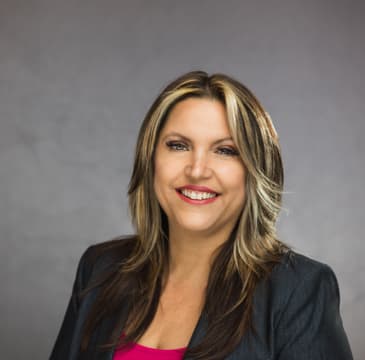
Some stories leave you breathless. This is one of them. In Part 2 of our raw, deeply human conversation with Susan Snow, we continue exploring how trauma reshapes a life—and how healing is always possible with the proper support, tools, and truth. Susan opens up about living with PTSD, learning to trust again, and the small but powerful steps that began her transformation.
Welcome back to Sh!t That Goes On In Our Heads—your space for honest, gritty, and healing conversations around mental health. We’re proud to be the 2024 People's Choice Podcast Award Winner for Health and the 2024 Women in Podcasting Best Mental Health Podcast, with over 2 million downloads and counting.
We’d love your feedback!
Visit https://castfeedback.com/67521f0bde0b101c7b10442a to leave us a message or written input.
"Healing is not an ego thing. It's the bravest, most necessary thing you'll ever do." — Susan Snow.
Episode Summary:
In this emotionally rich second installment, Susan Snow shares the real work of healing from complex PTSD, extreme trauma, and generational wounds. After a tragic and violent loss changed her world at 17, Susan opens up about her years-long battle with anxiety, insomnia, and panic—and how finding the right therapist finally gave her hope.
This episode covers critical mental health topics, including trauma recovery, journaling for sleep, breathwork, emotional boundaries, forgiveness, and how to build a support system when you feel entirely alone. Whether you're just beginning your healing journey or helping someone else through theirs, Susan’s story is your reminder that hope is real—and transformation is possible.
SEO Keywords: PTSD recovery, trauma healing, journaling and sleep, panic attacks, breathwork therapy, finding the right therapist, mental health podcast, grief recovery, trauma coaching, emotional boundaries, Susan Snow
Meet Susan Snow
Susan Snow is a courageous and heartfelt speaker whose life story shines as a beacon of healing and hope.
At just 17, Susan’s world was shattered when her father, LAPD Detective Thomas C. Williams, was ambushed and murdered on Halloween night in 1985. That moment changed everything, pulling her into the depths of grief and trauma.
In the years that followed, Susan faced PTSD, loss, and the long, complicated process of rebuilding her life. But instead of letting the darkness define her, she turned her pain into purpose. By embracing vulnerability and speaking her truth, she has shown that healing is possible—even after unimaginable events.
Today, Susan is the Author of a profoundly moving book that reminds us of two powerful truths: life can change in an instant, and recovery is always within reach.
Whether speaking on stage or connecting through virtual events, Susan doesn’t just share her story—she invites people into it. She creates space for others to see themselves, to grieve, to forgive, and to find their own resilience.
Her signature talks, “Other Side of the Gun: Hope Through the Journey of Grief, PTSD, and Empowerment” and “Forgiveness vs. Forgetting,” go beyond inspiration. They offer honest guidance, compassion, and a roadmap for choosing hope over pain.
Connect with Susan:
Website: https://susansnowspeaks.com/
Instagram: https://www.instagram.com/susan_snow1
LinkedIn: https://www.linkedin.com/SusanSnow
TikTok: https://www.tiktok.com/@susansnow1lifecoach
YouTube: https://www.youtube.com/susansnowspeaks2023
Key Takeaways:
- Healing is a personal journey, not a one-size-fits-all process—you must find the right therapist for your trauma.
- Journaling can be a game-changer in managing anxiety and improving sleep, especially when done before bed.
- Boundaries, forgiveness, and coaching are powerful tools in healing both yourself and your relationships.
Actionable Items:
- Try expressive journaling nightly—write without censoring or editing, especially before bed.
- Practice box breathing or tapping to manage panic attacks and regulate your nervous system.
- Interview your therapist—ask about their specialties and be willing to walk away if it’s not the right fit.
Episode Chapters & Timestamps:
[00:00] Welcome + Recap of Part 1
G-Rex and Dirty Skittles introduce Part 2 of Susan’s story.
[01:00] When Therapy Finally Worked
Susan explains how a therapist specializing in trauma and PTSD changed her life.
[06:00] Journaling to Sleep Again
Susan shares how nighttime journaling helped her escape anxiety-induced insomnia.
[09:00] Breathwork, Tapping & Nervous System Regulation
Early tools Susan learned that helped control panic attacks and stress.
[17:00] Rewriting Patterns: Coaching and Boundaries
Susan’s mindset shift through coaching and powerful conversations about forgiveness.
[23:00] From Pain to Purpose
How healing led Susan to write her memoir and step into her life’s mission.
[35:00] Facing the Fear of Telling Her Story
Susan talks about the fear of publishing her book—and doing it anyway.
References & Resources Mentioned:
- Susan Snow’s website: https://susansnowspeaks.com/
- 988 Suicide & Crisis Lifeline: https://988lifeline.org
- Susan’s breathing and tapping techniques (Search: “box breathing PTSD” or “EFT tapping trauma”)
- Susan’s memoir (Link coming soon or available on her website)
Subscribe, Rate, and Review!
Don't miss the next part of Susan’s story.
Subscribe for more inspiring conversations around mental health.
Rate and review us on your favorite podcast platform, or visit our site:
https://goesoninourheads.net/add-your-podcast-reviews
#MentalHealthPodcast #MentalHealthAwareness #PTSDRecovery #HealingJourney #SusanSnow #TherapyMatters #MentalHealthSupport #TraumaHealing #CoachingForHealing #RealTalkMentalHealth #FindYourPerson #JournalingTherapy #BoundariesMatter #PodcastForHealing #MentalWellness #Grex #DirtySkittles #WomenInPodcasting #Podmatch #TraumaSurvivor
***************************************************************************
If You Need Support, Reach Out
If you or someone you know is facing mental health challenges, please don’t hesitate to reach out to a crisis hotline in your area. Remember, it’s OK not to be OK—talking to someone can make all the difference.
- United States: Call or Text 988 — 988lifeline.org
- Canada: Call or Text 988 — 988.ca
- Worldwide: Find a Helpline
- Mental Health Resources and Tools: The Help Hub
Stay Connected with G-Rex and Dirty Skittles
- Official Website: goesoninourheads.net
- Facebook: @shltthatgoesoninourheads
- Instagram: @grex_and_dirtyskittles
- LinkedIn: G-Rex and Dirty Skittles
- Join Our Newsletter: Sign Up Here
- Merch Store: goesoninourheads.shop
Audio Editing by NJz Audio
[00:00:06] Hey there, listeners. Welcome to Sht That Goes Under Our Heads, the podcast where we normalize conversations around mental health. That's right. I'm Dirty Skittles and alongside my amazing co-host, U-Rex, we are here to share stories and tips from our incredible guests. Each episode, we deep dive into struggles and triumphs of mental health, offering practical advice and heartfelt support. Because no one should feel alone in their journey. Join us as we break the stigma and build a community of understanding and compassion.
[00:00:35] Join us and let's start talking about the shit that goes on in our heads. This is part two of a three-part episode. I was at that point where I was like, alright, I'm putting the white flag up. I give up. I'm gonna do it, you know. And so I made an appointment for his physician initially.
[00:01:00] And went and saw the physician and he put me on antidepressants because that's what they do. And then he handed me a business card and he said, I want you to make an appointment with this therapist. And I literally laughed in this man's face. And he was like, why are you laughing? And I said, look, I tried that 14 years ago and it didn't work. What makes you think it's gonna work this time? And he says, well, you really don't have a choice.
[00:01:32] You've got to do this. And I said, alright, you know, I had put up the white flag, so I'll move forward. And I made an appointment with this woman. And when I sat down with her in the first three minutes of our conversation, I knew this was different. She specialized in trauma, especially extreme trauma. Her specialty was also PTSD.
[00:02:00] And so as I was talking to her, I felt myself feeling safe so that I was able to be vulnerable. She was asking me the questions that opened up those floodgates for me. And I was able to tell her what I went through at 17 and what I was currently dealing with.
[00:02:25] And this woman looked me in the face and she said, Susan, everything you've gone through since you were 17 is normal. Because you have PTSD. And I said, what? Wait a minute. I'm not in the military. I didn't go to war. What do you mean? And she said, no.
[00:02:49] She said, anyone who has had any sort of trauma, and there's different types of trauma, can experience PTSD. And what you need to know about that is that PTSD isn't something that goes away. It's something you learn to manage. And in that moment, I was like, you mean I'm not crazy? You mean I could heal from this? I had hope.
[00:03:18] I was so grateful because I finally found this person that was going to help me and guide me in healing from this. And that I was going to finally step out of this fight, flight, or freeze thing, you know, and be able to heal. And I just, it was such an amazing day for me. I look forward to my therapy sessions until they got really hardcore.
[00:03:47] But, you know, I tell people all the time when you find your person, and it might take you a little while. But I tell them, I'm like, the fact that she specialized in my type of trauma with murder and PTSD made all the difference in the world.
[00:04:10] And she understood the modalities that I would need or the things that would come up for me. And so when I talk to people about finding their person, make sure that person understands your type of trauma. There's a lot of therapists out there that will lump trauma into one group.
[00:04:36] And they want to do like a one size fits all kind of modality for that trauma. And that is not going to help you heal. You have to have someone that understands your type of trauma. And so she did. And the better part of that was too, she knew I was a hot mess. I mean, she knew all the things that I was dealing with emotionally.
[00:05:05] And I wasn't sleeping. And I had the anxiety and the panic attacks and all of those things. But she didn't want to throw the kitchen sink at me as far as, you know, what to do next. So what we did was we took it in tiny little bites. And she figured out like, what is the one thing our first session?
[00:05:31] She said, what is the one thing you're struggling with the most right now? And at the time it was sleep. If you don't rest, your nervous system gets all kinds of out of whack. And it exacerbates your depression. It exacerbates your anxiety. And so I said, you know, I'm just not sleeping.
[00:05:57] I can't sleep because I start to get anxious when I know it's dark outside and it's time for bed. Because when I shut my eyes, I go back to that night. I go to a dark place and I can't get out of it. And so I just lay awake. And she said, okay, we're gonna, we're gonna deal with that. Without drugs. And I said, okay.
[00:06:25] And she said, have you ever journaled? And I kind of looked at her sideways. I'm like, journaling? No. And she said, well, you know, journaling is, it can be done in different ways. Some people journal through writing. Some people journal through music. Some journal through art. Now they journal through podcasting.
[00:06:54] But you just figure out what calls you. Like, what is it that you like to do? And I said, well, I write. And she said, great. Get a pad of paper and a pen and put it by your bedside. And before you go to bed, I want, she gave me some prompts. I want you to just put everything that's swirling around in your head at that moment on that paper.
[00:07:22] And she's like, don't worry about spelling. Don't worry about punctuation. And she's like, it doesn't even have to make sense. Just put it on the paper. And I was such a skeptic. I was like, how is that going to be? How is that going to help me? And she said, just try it. You know, all we can do is just try it. And I said, okay. And I did.
[00:07:51] I got that pad of paper specifically for that. And I left it by my bed. And that night, I just threw everything that was in my head. And then I got a couple hours of sleep. And the next night, I got a couple more hours of sleep. And by the third night, I was sleeping like a baby. I woke up the next day like, oh my God, it's sunlight out. Like what happened?
[00:08:19] And I didn't want to admit it. Like, I was like, how could this make a difference? But I went back to her the next day or the next week. And she said, how did it go? And I said, well, I've been sleeping for four days.
[00:08:37] And so it's something that I teach now, you know, and when I coach people, I talk about journaling, whether it's just journaling the crud that's in your head out or even just gratitude journaling, really picking out the things that you're grateful for every day. And the next thing that we dealt with was my panic attacks. And we really started.
[00:09:06] The one thing I could say is even back then, you know, in the 90s, they really didn't talk about a lot of breath work. She kind of was one of those ahead of her time kind of therapists. So she looked into some cognitive therapies that weren't really like hugely popular or known.
[00:09:29] So she taught me box breathing techniques, visualization using breath. I went into tapping techniques. So she just little by little introduced me to all these different modalities.
[00:09:47] And I was able to pick and choose the ones that made me feel better, the ones that regulated my nervous system, the ones that got all the stuff, the self-talk to the negative self-talk, all those things out of my head. So that I can continue to heal.
[00:10:12] And I'm very grateful that she didn't just throw the kitchen sink at me and be like, we're going to do this and that and this and that. It was one thing at a time, along with the talk therapy. So it was very helpful. And I tell people, even though you might not think that modality is going to be powerful enough, give it a try. You just never know.
[00:10:40] There isn't a one-size-fits-all for healing from traumas. I have to say something about your story because it's what happened with mine. When I started going to therapy, the first thing that they taught me was journaling. And through the journaling, I am so close to having my book finished now because of that. But it was so cathartic and so eye-opening. And even like you, as soon as I started journaling, I started sleeping better at night.
[00:11:11] But, you know, they also taught me about boundaries and some PTSD. Like, you don't realize that you have all this shit lingering around behind you until you have to face it, you know, head first. Absolutely. And like all the different, like, therapy modalities out there. You know, to coin what, you know, Dirty Skittle says all the time. I actually had to speed date my therapist before I found the right one. Yep. At 59 and a half. Like, I hadn't been taught.
[00:11:40] I didn't know what the fuck was going on in my head. All I know is that I would mask up every day and I was like fucking fine. I was so fine. But on the inside, I just wanted to be done. Right. And so, like, you know, giving people like those answers about all the different modalities for therapy is going to be super helpful. Yeah. I mean, and here's the thing. You said you speed dialed. This is, I talk to people about this. This is your healing. It's not your therapist healing. Right.
[00:12:10] Right. So you have every right to interview them. Right. Ask them the questions. Yeah. What are the, where are the clients that you deal with? Right. If you don't have that sense of being able to be vulnerable with that person, it's not your person. Right. Move on. Yeah. And it's okay. It may take you a little while, but I hear from people all the time.
[00:12:40] Oh, therapy didn't work for me. And I always have the same answer. It's because you didn't find your person. Yeah. Your person is out there and you will find them. And it is dating, right? Right. You have to find the perfect fit. Because this is one of the most intimate, vulnerable relationships you're going to have is with your therapist.
[00:13:06] So, you know, the other thing I say to people is when your therapist is starting to tell you what to do and not meet you where you are and guide you in what you need to do, but they're telling you need to do this and you need to do that. Bye-bye. There's the door. There's the door. Because that's their ego.
[00:13:36] That's their ego creeping in, right? And this isn't an ego thing. Right. Healing is not an ego thing. And, you know, what you spoke to before about when I started to heal and continue to heal, even right up to my book,
[00:13:57] I realized that because I was undiagnosed and unhealed, and I have a chapter in my book called Rose-colored Glasses for a reason, because I was not capable of recognizing unhealthy, toxic relationships, that I became a people pleaser.
[00:14:24] I would mold myself into what others needed me to be. I had no boundaries. And it kept me from having some self-respect in having some relationships with friends, friendships that were one-sided.
[00:14:45] And it even got to that point within my own relationship with my husband, where I was so hell-bent on healing myself that I didn't recognize that even he also had PTSD. He also went through the trauma.
[00:15:10] He didn't see what I saw, but people around you that have been in that with you, alongside you, been submerged in everything about the trauma, can have PTSD as well. And they too need to heal. And so he was unhealed, and I was trying to heal.
[00:15:39] And so all the focus has always been on me healing and not him healing. We're getting there now. After the book came out, it opened up a big conversation between the two of us.
[00:16:04] But I recognize that, you know, and I've had conversations with past friends too, because the other pattern for me was I will handle this myself. It's not your burden. So when people came to me and said, you know, how can I support you? Or what do you need? I would say, oh, I'm fine. I don't need anything.
[00:16:35] I don't need anything. I don't, you know, this is my burden. This is not your burden. I will figure this out myself. And it wasn't until I started going to a coach. Because I transitioned into real estate and real estate taught me that it's very wrapped around mindset.
[00:16:59] And I had a coach that said to me, Susan, you have a pattern here that we need to break. Like, this was my very first coaching session. She said, this pattern of I can handle it. You don't have to help me. Not allowing people in. Feeling like I have to do everything on my own.
[00:17:29] All stem from the patterning of my life. And it was before my dad was killed, right? So it was the programming I got from my parents. Mainly my mother. And so she says, we're going to change this for you.
[00:17:53] So she says, I want you to pick five people that you have done this to in the past. So they can be personal, friends, people that you have a relationship with, close people with you, or business people. And so I chose those five people. And those were the most incredible conversations I have ever had with people.
[00:18:22] Because they saw a side of me they'd never seen before. And what she had me do, which was, I was like, are you sure about this? I don't think I want to do this. I don't want to do this. She said, I want you to tell them what the situation was. I want you to ask for their forgiveness. And I want you to tell them to hold you accountable if you see this come up again. And I was like, what?
[00:18:53] And, but in having those conversations, it really opened up a whole different level of that relationship, whether it be personal or professional. But I will tell you that the one most incredible conversation I had was with my husband.
[00:19:15] Because when I went to him and I said, I recognize that there were times in our relationship where you really tried to support me and I shut you down. And I want to say, I'm sorry. I want to say, you know, please forgive me for doing that. Because I understand now, looking back at that, that I was not validating you in your feelings.
[00:19:43] And I wasn't allowing you in. And I'm supposed to be the most important person in your life. And you were not able to support me because I would shut you down in that. And it just opened up this conversation where he looked at me and at the time we had been together 35 years. And he said, 35 years and I'm now learning more about you.
[00:20:09] And it was like such a poignant, amazing revelation for both of us. And it really proved to me how much the work that I've done has changed me as a person. And I continued with the coaching. And in doing that, I realized, you know what? I kind of want to do this myself.
[00:20:39] Coaching has always followed me. So as a hairdresser, they call us an armchair therapist, right? That's what they call hairdressers. We hear it all. We give advice. We don't give advice. We hear things we never want to hear again. I've always been in this sort of realm. And then in real estate, like I said, it wasn't just about how to sell houses. It was mindset.
[00:21:08] And I'm with a company that they're all about being the best person you can be. It's not just about the selling of houses, the marketing of houses, that it is all about your mindset. And if your mindset isn't right, you're not going to do your job at a high level. And I don't care if you're a realtor or anything else for that matter.
[00:21:32] If your mind isn't right, it's going to be a lot worse for you. And then as I was writing my book, I realized, oh my gosh, because I've done the work, because I understand what it takes to move through things and to help people.
[00:21:58] Because even when I had done the work and I felt like, okay, I have the tools now to manage my PTSD, I still felt stuck. Like, I am this different person. Now what? Like, where do I go from here? Right? And it wasn't until I found my purpose that I was like, okay, now I know the assignment.
[00:22:28] But I know that there's people out there that are just like me who have done the work and they're a different person. But now what? You know? And how do they want to take the things that they know and move forward and have better relationships with their partners, their spouses, their children? You know, what about the career that they've dreamed about?
[00:22:52] But because they were unhealed or they were healing or they were, you know, they were not dealing with the trauma at all, that it was keeping them from things. And so that's where I kind of decided I was going to be. And I, you know, I took classes. I'm taking classes continually because I want to be able to meet people where they are and move them forward. I want to be the one to give them some hope.
[00:23:22] I had hope from that therapist. I got it in that very moment. And I want people to understand that they aren't alone and that there is hope for healing. And you can get through anything that comes your way. But you have to have the support system. And some people don't believe in therapists and that's fine too. I mean, it could be your spiritual advisor.
[00:23:50] It could be, you know, your rabbi, your priest, your whoever, right? But as long as they understand that where they need to meet you can be a little intense and they have to walk that journey with you, you know, you need to feel comfortable with that person. You need to be able to have a safe space. And so for me, that's what I try to be for others.
[00:24:19] Their safe space. That people can be vulnerable with me with no judgment. And that I will listen with love and care and compassion and empathy. But also not let people slip into the victimhood. So, you know, I've been around it. I recognize it.
[00:24:49] It drives me bananas. When I hear the language, you know, I understand why it happens. It's easier to be that way than to be the survivor. Because to be the survivor means you have to do the work. You have to do the work. And I don't candy coat it. I don't tell anybody, oh, it's going to be easy peasy. Nope. Nope. It's the hardest thing I ever did in my entire life.
[00:25:19] Right. And, but I will tell you, when you do the work, when you move through the pain, when it no longer holds over you anymore, it is priceless. Right. You finally feel like you have control over your life. Your trauma, your grief does no longer has control over your life. You're taking your control back. Because you took your pain and you turned it into purpose. Absolutely. You know, exactly what I did with myself. And you're right.
[00:25:49] It is not easy. No. And you have to be willing to dig in and figure it out. And I will tell you that I am so thankful I made that call to 988 and that I'm alive to be here today and have these amazing conversations. And, you know, in writing my book, the same thing. Super catharic. Learned a lot about myself. I laughed. I cried. I laughed. I cried. I did all the things. But, you know, believe in the therapy.
[00:26:19] Believe that you can get better. Because you can. And you can do it without medication. Yeah. But for those that need that medication, I'm all for that too. But. Hills and valleys. You know, give yourself that opportunity to feel better. Absolutely. And, you know, and it is a journey.
[00:26:47] I tell people, like, understand that healing from trauma is a marathon. It's not a sprint. Right. You know, you're going to have good days. You're going to have bad days. I mean, when I was writing my book, and you probably understand this. Because I had to relive, understand the emotion, you know, and sit in that emotion.
[00:27:12] Because my book needed to be me holding the reader's hand and taking them through this journey. So I had to relive everything in detail. With PTSD as well, you have bouts of, like, you don't remember things clearly. So I had to do a lot of research as well.
[00:27:38] I had to talk to my husband, who remembers more details than I do. And in doing that, there were days where I was, like, done. I couldn't talk to clients. I, you know, in real estate, I was like, I'm not taking you to see these houses. I will ask someone else to take you. I had nothing emotionally left.
[00:28:04] And I had to give myself grace in that moment. I had to tell myself, it's okay. Like, you don't have to pretend. You don't have to go out there and put a happy face on. And, you know, and do what your old habit was, is putting that mask back on. You don't have to do that anymore.
[00:28:30] And you can take this time to recalibrate, to regenerate. And so I would do things like that would give me joy or that would recenter myself. So going on walks, sitting outside in the grass, just whatever, right? Some retail therapy, whatever it was, right? That would just recenter me because I knew the next day was going to be a different day.
[00:29:00] Yeah. Was this the first time you were looking into this past trauma and this level of detail while you were writing your book? No, I mean, in some of my work that I did with therapists, I did do EMDR work. And in doing that, I had to go back to that moment and describe and all of that. It's really uncanny that I can understand.
[00:29:28] I can remember every detail of that night as it was happening, but everything outside of that. So timing, for instance, I didn't know it took six days for them to find the men that were involved. I didn't remember that. So I had to ask those kinds of questions because I was living in a fog for an entire year.
[00:29:56] I think the most frustrating part of that was I'd go to high school reunions and people would say to me, oh, do you remember when we did this, when we did that? And I'm like, oh gosh, no, I don't. I'm so sorry. You know, and it's like, God, did I like literally lose my mind during that? Yes, I did.
[00:30:20] Because when you go through that kind of a trauma, it's your brain's way of protecting yourself. And so, you know, trauma damages the brain. It literally does biologically, physiologically, you know, it damages the brain. And that's why PTSD isn't something that just goes away. You learn to manage it.
[00:30:44] And so there were bits and pieces that were just a little foggy, a little bit foggy. But there was also, and I don't know if this happened to you, but there were repressed memories that came up for me. And it was especially around my mother and some situations with her.
[00:31:08] And having to go back to that child who experienced those experiences with my mother was cathartic for me. But it opened my eyes to, oh my God, this has been like this my whole life. And I didn't recognize that.
[00:31:34] And, you know, it really brought home like the type of father my dad was because I would have repressed memories of interactions we would have. Funny and not so funny. And I was able to put that all in the book. And I was proud of that because I was able to really show people who he was as a human being.
[00:32:02] And what our family dynamic looked like for real. And because, you guys, there was a TV movie made about my family. It was a made-for-TV movie called The Price of Vengeance. And Michael Gross played my dad. Mary Kay Place played my mother. Kathleen Robertson played me.
[00:32:32] I tell you, it was weird. It was weird. It was surreal having someone play you. But play your family in a way that was not 100% real. Right. And so it was, that was part of the reason why I wanted to write the book. Because there was this perception of my life.
[00:32:59] This story that played in other people's heads about who I was as a person. And a lot of it was not real. It was their perception. It was how they would have been in my position kind of thing. And I finally felt that I had done enough work. I was mentally okay in order to do this.
[00:33:28] I had the tools that I needed. So that when I was writing, if I got into a deep emotional state, I was able to pull a tool up and get me out of it. And not spiral. And so, you know, this whole thing was a process that I took all of these things. And I learned a lot about myself.
[00:33:55] But I also learned about the relationships around me as well. And really was able to sit back and look at me as a parent. And look at the different, you know, dynamics over the years. But the other... It's funny you say that. Because if you ever want to really learn about yourself. And like go back and deal with past trauma. Write a memoir. Yes.
[00:34:22] Because it is the most cathartic thing you could ever do. It is. And it opens up a lot of closed doors. And things that like super repressed memories. I will tell you that like in my book, I decided to leave a lot of that out. Because it didn't belong in this part of the journey. Yes. But it did take a lot for me to go back to therapy and be like, this is what I fucking learned. Yeah.
[00:34:50] Help me dig out of this shit. Because like I don't want to fucking go to sleep and think about this again tonight. Yep. Yeah. Well, and the thing of it is too is there's a lot of fear that comes into putting your life out there. Hearing you guys say that, that was my first reaction. I was like... There's a lot of fear. Yes. I had... So this is where I learned my purpose in this moment.
[00:35:18] I had fear for multiple reasons. One, in telling my truth. In telling it authentically. And being as vulnerable as I needed to be. I knew that I was going to have to tell the truth and someone else's story as well. Which would be my mother and my husband. Right? So I had fear that with my mother...
[00:35:48] And I left a lot out of my book. When you say you left... I left a lot out of my book. Because I didn't want the book to be about... Like I didn't want to villainize her. Right? Like her journey is her journey. The choices she made are her choices. Right? This is... This book was about my experience. And my life. And my experience.
[00:36:18] And, you know, in my reactions to the trauma. Right? It was not her journey. She wants to write a book. She can write her own book. Right? But I also knew that I had to touch on some things. Because it led to understanding a lot of my mindset. And my programming. And all that. Right?
[00:36:46] And so I thought, you know, it could either destroy what was left of our relationship. Or it could open a conversation. And this is where I realized she's a narcissist. This is where I realized, okay, I have to be okay with the outcome. Period. Period.
[00:37:14] And same with my husband. You know, was this going to open old wounds? That was going to cause turmoil in our relationship again. And the third thing that I was terrified about was myself putting myself out there. Two of the men were still incarcerated. And we were a target as well. So putting myself out there.
[00:37:44] Doing podcasts. Putting my book out there. Doing all those things. Was, you know, scary in the beginning. Because I was like, is there going to be retaliation? Once you've been a target of someone, that feeling never goes away. Right? Unless that person goes away. Which I'll get to later.
[00:38:09] And so every time these fears would come up, I had to sit back and say, what is the real reason behind writing this book? What is the real reason? And the real reason was this. I saw a lot of pain. A lot of anger. A lot of emotion. Even, you know, we're almost 40 years later. From the law enforcement world.
[00:38:38] Even my friends from high school. Right? There was just so much pain and anger wrapped around my dad's death. Because my brother was there. Because he saved his life. Because he was a cop doing his job and he got murdered for it. You know, there were just so many things. Right? And so that was a part of it.
[00:39:01] But then I thought about the fact that one time when I met my second therapist where I had that hope. And I wanted to give people that. And so I thought about the people out there that needed to hear my message. Of hope. Of healing. That they're not alone. That there's their person out there. They can find it. Right? And anytime that fear came up.
[00:39:30] Those are the people. The faceless people out there that I concentrated on. And it let me. I have a tagline. Bulldoze your fear. Because I had to bulldoze through it. Because I had to get this book done. Not to mention I felt like my dad was kicking me in the rear end. To get it done. But I just knew that there were people out there that needed to hear my message.
[00:39:58] Just like there's people out there that need to hear your message. It was important. And that's where I found my purpose. That was it. Right then and there. I knew that my message. Whether it be my book. Whether it be me being on podcast or stages. Or sitting one-on-one with a client for my coaching. That this is my purpose. This is what I needed to do. Is to give people hope.
[00:40:28] And show them that you can. I can go through this. I don't have any special superhero powers. That you know allowed me to heal. Right? It was I made a choice. I found my person. And I moved forward. And anyone can do that. I have to add.
[00:40:54] Because it reminds me of when I found my person. And if anybody is listening and you know unsure of it. If it's even possible. I think the key at least for me was. And you had mentioned it in yours. Was feeling safe. Because I don't think. If I would have. Matter of fact I know. Being with other therapists. I never felt safe enough. They didn't ask the probative questions. They didn't specialize in that trauma. So when you finally find that mixture.
[00:41:23] And you feel safe to be vulnerable. It's like. All of a sudden you realize life is worth living. You're like whoa. There's life here. A hundred percent. Yeah. And I never thought that possible for me. For so many years. I just. I never thought. And. You know. Now I'm a totally different person. In the better. When the book came out. I even decided.
[00:41:52] That I was going to sit down with my mother. Because understand. In the four and a half years. That it took me to write this book. She asked me twice. About it. And. The first time she asked me. How it was going. She never asked me what it was about. She assumed. What it was about. You know. But she assumed in her. Victimhood. Mind.
[00:42:23] And. The second time she asked me. How it was going. I told her. I was in. I was working with an editor. On it. And she looked at me and said. You have an editor. And I said mom. This isn't just like. A hobby book. This is like. I'm going to print this. This book. Like. It's going to be out there. It will be published.
[00:42:52] It will be published. And. Nothing was said after that. She talked to my brother about it. Behind my. Back. But not to me. And. I was like. Whatever. Right. When the book. Was about to come out. Publicly. I. I. I. Went over there. And I. Sat down with her. And at this point.
[00:43:21] I knew that she was narcissist. I knew that. I needed to stay. And stick with my boundaries. So. I needed to be empathetic. To her. To her. However. Not engage. In the gaslighting. And all of those things. That happen. Right. So. I sat down with her. And I said. You know.
[00:43:50] I wanted to talk to you about the book. Because there's going to be things in there. That are going to be very difficult. For you to read. Not just about. Her part. In it. But. All the pain. And the anguish. And the suicidal ideation. Like. That's not easy to read. About your own kid. Right. So. I. Wanted to give her a heads up. I told her everything. I told her. I talked about her drinking.
[00:44:20] I told her. About the feeling of. Abandonment. The night my dad was killed. I told her. That. I talk about generational abuse. Because. I acknowledge. That you too. Were an abused. Child. An adult. And. I mean. She even told me. I even gave her. A safe space. Where she could tell me. A situation. That she had. With her own mother. And I acknowledged it.
[00:44:50] And I was empathetic to her. Right. I had empathy for her. But it's still a choice. So. She said to me. Verbatim. Nothing you write in that book. Will let me love you less. Or make you. Make me love you less. And I thought to myself. Okay. When it came out. I brought her a copy. I wrote her.
[00:45:19] A loving note. Basically. Reminding her. That everybody's journey. Is different. Right. There's no blame. There's no shame. There's no nothing. Right. Because everybody deals. With things differently. And. I just wanted her to know. That I've loved her. Through hers. So that's what I wrote. To her. And I left the book. With her. And she put it. With her mail. And walked away.
[00:45:50] And I was like. All right. Cool. 45 minutes later. She called me. And she said. I read the first two chapters. Of the book. And it's written really well. Just like your mom. Like. I'm a good writer. You're a good writer. And I said. Well thank you. You know. And she said. I'm very proud of you. And I was like. Oh. Thank you. So in that moment.
[00:46:19] I accepted that from her. But I also knew. She was only. Two chapters in. And even at that. She started gaslighting on. Me. On which. Neighbor. She sent me with. So I was like. Not engaging in that. I did not engage in that. And. I redirected our conversation. When she started doing that. Hi all. Thank you so much.
[00:46:49] For listening to this episode. I'm G-Rex. And I'm Dirty Skittles. Don't forget to subscribe. Rate. And review this podcast. We'd love to listen. To your feedback. We can't do this. Without you guys. It's okay. To be not okay. Just make sure. You're talking to someone.