
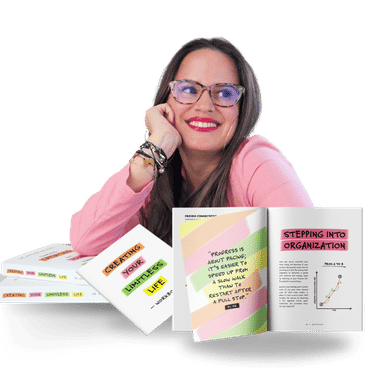
What happens when you do everything right, earn the degrees, land the title, and build security, yet still feel empty inside? In this powerful Season 16 opener, G Rex and Dirty Skittles sit down with Dr. Esther Zeldon to talk honestly about burnout, anxiety, people pleasing, and the moment you realize the life you built is slowly eroding your mental health.
Sh!t That Goes On In Our Heads — a 2024 People’s Choice Podcast Award Winner (Best Health) and 2024 Women in Podcasting Award Winner (Best Mental Health Podcast) with over 3.5 million downloads and counting — continues its mission to spark unfiltered conversations about the human mind.
We’d love to hear your thoughts! Leave us written or voice feedback here: https://castfeedback.com/67521f0bde0b101c7b10442aMental Health Quote
“There is no such thing as real safety if you are betraying yourself to keep it.” — Dr. Esther ZeldonEpisode Description
Burnout does not always come from failure. Sometimes it comes from success. In this raw and deeply human conversation, Dr. Esther Zeldon joins G Rex and Dirty Skittles to unpack what happens when a lifetime of chasing stability, titles, and external validation leads straight to anxiety, depression, and disconnection from purpose.Esther shares her powerful story, from surviving a life-threatening illness as a child, to becoming a high-achieving diplomat and international development professional, to realizing that the “safe” life she built was quietly damaging her mental health. Together, they explore how childhood trauma can disguise itself as ambition, why people pleasing keeps so many of us stuck in toxic jobs, and how fear of failure often hides a deeper fear of finally being honest with ourselves.
This episode is not about reckless quitting or overnight success. It is about alignment. It is about learning to say no. It is about recognizing that security is often an illusion, and that true safety comes from knowing you can rebuild, pivot, and survive hard seasons without abandoning who you are.
Esther also opens up about anxiety, financial fear, boundaries, and the realities of entrepreneurship, including losing hundreds of thousands of dollars in contracts and choosing purpose anyway. If you are quietly burning out, questioning your career, or feeling guilty for wanting more meaning in your life, this conversation will resonate.
Keywords: Esther Zeldon, career burnout, anxiety, mental health, toxic workplace, purpose-driven life, people pleasing, trauma healing, entrepreneurship stress, alignment, emotional wellness, burnout recovery, meaningful work
Meet Our Guest, Dr. Esther Zeldon
Dr. Esther Zeldon is a coach, best-selling author, social entrepreneur, and former diplomat dedicated to helping people uncover their unique superpower and live purpose-driven lives. With global experience spanning governments, nonprofits, and communities, Esther blends strategy, science, and compassion to help individuals and organizations create sustainable impact without sacrificing mental health.Website: https://beactchange.com
Facebook: https://www.facebook.com/beactchange/
Instagram: https://www.instagram.com/be.act.change/
LinkedIn: https://www.linkedin.com/company/beactchange
Key Takeaways
- Burnout can come from success just as easily as failure.
- Anxiety often stems from living out of alignment, not weakness.
- Safety is often a trauma response, not a true motivator.
- People pleasing keeps you stuck in toxic environments.
- Saying no is a mental health skill, not a personality flaw.
- Purpose is not found; it is remembered.
Actionable Items
- Write down what safety really costs you emotionally.
- Identify one boundary you need to set this month and honor it.
- Ask yourself, am I chasing security, or am I chasing alignment?
References Mentioned
Purpose-driven coaching and alignment work: https://beactchange.com
Important Chapters
00:02 - Esther’s childhood trauma and how safety became her driving force 06:30 - High achievement, toxic workplaces, and silent burnout 12:45 - Anxiety, depression, and people pleasing patterns 18:00 - Leaving security and facing fear head-on 25:30 - Financial fear, entrepreneurship, and redefining success 33:00 - Boundaries, saying no, and protecting your peace 40:00 - Purpose, joy, and mental health alignmentClosing Call to Action
Subscribe, rate, and review. Remember to subscribe for more inspiring stories. Rate and review us on your favorite podcast platform, or visit our website:https://goesoninourheads.net/add-your-podcast-reviews
#MentalHealthPodcast #MentalHealthAwareness #Grex #DirtySkittles #Podmatch #CareerBurnout #AnxietySupport #PurposeDrivenLife #ToxicWorkplace #EmotionalWellness #BurnoutRecovery #PeoplePleasing #TraumaHealing #MentalHealthMatters #AlignmentOverAchievement #HealingJourney***************************************************************************
If You Need Support, Reach Out
If you or someone you know is facing mental health challenges, please don’t hesitate to reach out to a crisis hotline in your area. Remember, it’s OK not to be OK—talking to someone can make all the difference.
- United States: Call or Text 988 — 988lifeline.org
- Canada: Call or Text 988 — 988.ca
- Worldwide: Find a Helpline
- Mental Health Resources and Tools: The Help Hub
Stay Connected with G-Rex and Dirty Skittles
- Official Website: goesoninourheads.net
- Facebook: @shltthatgoesoninourheads
- Instagram: @grex_and_dirtyskittles
- LinkedIn: G-Rex and Dirty Skittles
- Join Our Newsletter: Sign Up Here
- Merch Store: goesoninourheads.shop
Audio Editing by NJz Audio
Hosted by Simplecast, an AdsWizz company. See pcm.adswizz.com for information about our collection and use of personal data for advertising.
[00:00:06] Hey there, listeners. Welcome to Shit That Goes On In Our Heads, the podcast where we normalize conversations around mental health. That's right. I'm Dirty Skittles, and alongside my amazing co-host, G-Rex, we are here to share stories and tips from our incredible guests. Each episode, we deep dive into struggles and triumphs of mental health, offering practical advice and heartfelt support. Because no one should feel alone in their journey. Join us as we break the stigma and build a community
[00:00:33] of understanding and compassion. Tune in, and let's start talking about the shit that goes on in our heads. Three, two, one. Welcome back to another episode of Shit That Goes On In Our Heads. I'm here with my awesome co-host, Dirty Skittles, and today we have an amazing guest, Esther. Thank you so much for joining us today. Yes. It's nice to meet you, Alisa Gracheva. Yeah. I'm so excited to be here.
[00:01:01] Yeah. All right. I'm dying to know a little bit about you. I did Google you the other day, and I'm like, oh God, I can't wait to talk to you because you were talking about basically designing your life and living a life that you want for yourself. And I have struggled with that for so long. G-Rex knows it's always, and I think maybe everybody, right? You kind of are working this nine
[00:01:30] to five and, you know, there's a little value there because you need to pay bills and you need insurance and all this stuff, but it sucks. Especially if it's a job that is a bit like toxic, right? Like you're, it's hard. Like horribly toxic. Yeah. Yeah. Like toxic times 3,000. Yeah. And so like naturally, right? Like I think we all kind of dream of how much better our life
[00:01:56] could be if we could do what we wanted or do the thing we're really passionate about. And so when I was checking you out online, I saw that you seem to have done that for yourself. And I'm hoping you can tell us a little bit about that. Like where did that begin? Because how did you just decide what, what made you make that choice? Yeah. It's a journey, right? Everyone's going to tell you that right there. It's not, it's definitely not automatic. I mean, I think to understand my story,
[00:02:26] I'm going to have to give you a little bit of chronological on my whole story. It's not that it's not going to make sense. Right? Yeah. So I think it was, I'm going to take you back all the way to when I was two. Okay. So when I was two, I was given three weeks to live and my parents had exhausted all options and everything. And then my dad, he's like, he says he's not spiritual anything, but he's a manifester. Right. And he was like, oh, he told my aunt and my mom, I want to play the lotto. And they looked at him and they're like,
[00:02:54] are you crazy? This is not the time to be thinking about that. But he decided to play. And the story goes that I chose the numbers and we won actually. Wow. And they used all the money to save my life. And so after six weeks and six months, actually starting at weeks in the hospital. So I was born in Nicaragua. And then we come back, there's a civil war and we have to leave with just suitcases. So then we went from like, they win all this money, they saved my life to them becoming, right, broke.
[00:03:23] And then starting over from scratch. So what that did to me was really honor safety. And this is why this conversation kind of ties in. Because then it kind of created this trauma response in me about safety. And then I was also grown up to be like the fragile one, never asked about what I wanted to do in my life, right? It was more like you need to survive. You need to just live.
[00:03:49] And so then I became like the fixer, right? Like everyone's fixer, solution finder, the high achiever, the perfect kid, the one that can't do no wrong, all those things. But I don't think people realize that when you see that kid, definitely ask them how they're really doing. Because inside I was suffering in silence, right? And I also felt like my whole life was just to fix things for other people. And I would carry all their worries and their problems and then beat
[00:04:15] myself up if I couldn't fix it. And I remember the first time I fell into a depression was at 16. And it wasn't because I had gone through a heartbreak, but it wasn't because of that. It was because I was all of a sudden now a burden for folks because I was sad and I couldn't be fixing things for people. So I was like, what value do I bring? Right? So again, that's the first time. But of course, you don't learn from the first time in year 16. And then went and did all the
[00:04:41] check marks. I was like, well, it's because I have to do all the check marks, get all the stabilities. I went to like, you know, got the scholarship, became the scholarship kid, went to the best schools, did everything, you know, anything you could do over. I sacrificed myself to get like the best job, do all the things. So when I climbed the ladder, we're going to skip all that. I climbed the ladder, I have the job, have all the check marks. There's definitely always toxicity. I tell everybody there's toxicity in every job, right? And there was definitely toxicity,
[00:05:10] even though it was a job of giving back. There was definitely some of that. And then I sat there and I'm like, I've never really thought about what I wanted. And I also started to notice that because we don't think about that, we start doing that to other people. So I remember being in this community and we were there telling them what they should do. And I sat there and I'm like, wait, they have their own aspirations. Like the Switzerland community, they know what they want. Why are we not asking them? All the answers. And then when we started to ask them, it was totally different than what we were
[00:05:39] thinking about. And they were like, you know, nobody's ever asked us that. And once we gave them money to do what they wanted, they soared, right? And then I started to think about it. Like I've never, I think people struggle with that because we're not asked. So we just go quickly into solution mode. And we don't even know what that's like because we haven't taken that journey ourselves. So I started to realize actually, so when my first thing about creating my life actually came from a place of, to be able to help people better, I need to understand myself better
[00:06:08] and that process. And so in that process of understanding myself better, I realized there was so many things I wanted to do that I had never even gone and done. Right. But on the outside, everyone's like, that doesn't make any sense. You know, like when I start talking to people, they're like, you have the job, you have the career, you have the house, you have the kids. Sure. But that's like the checkmark, checkmark American dream. But I have other aspirations. I
[00:06:34] have things that I want to do. I have the values I'm not living. Right. But so from the outside, people don't understand. And I remember in Christmas one year for the holidays, I remember my dad, I was telling my dad, you know, I'm, I don't know, there's just something off. There's something off in my life and I can't, and I'm doing all this inner work and I just don't think it's working. And he's like, what are you talking about? Again, the safety, right? You have their job. You have to think about the kids and all this stuff. And I remember this the first time, like I raised my voice. Remember,
[00:07:02] I've always been the perfect kid when I raised my voice and I was like, this is not my legacy. And everyone just stared at me. And it didn't make sense to them. Right. But in my mind, I'm like, this is not my legacy. This is not the needle I want to move or, and I need to do stuff to prove to myself. And part of making that choice also is what people don't say is that when you make that choice to go against safety, that's when you're confronted with everything you've gone through and you got to
[00:07:27] do that hard work. That's when the traumas, the limiting beliefs, everything come right smack at you. But I knew that I needed to go through that. Yeah. And then I knew that going through that, I would be able to help more people. And so, yeah, so I took the, we like downsized, we gave away like 75% of our stuff. And I said, okay, if I need some safety, then I'm just going to live with less to begin with, to take this step. Right. Yeah. And then I did that. And then I went
[00:07:56] on the journey and then I grew it from there. But I also knew that this is a five, this is a lifetime journey and it's going to take five years to things to really materialize how I wanted it. But it's hard in the moment, right? Because you're there and you want the, you want all those things now. Right. And if it doesn't happen in year one, you're like, oh, that means it wasn't for me. Forget it. You want to give up. And it's really pushing through and being realistic.
[00:08:23] Like, hey, your one is going to look like this. Your two is going to look like this. But after five years, I knew where I wanted to be. And I made that vision, but it's not, I tell everybody, it's not, I think that's what they mean, but you don't really know what they mean, right? You're like, oh, it's not overnight success, but you're like a year one, I should be already a success. But it's actually longer than that. But what you don't realize is that even in the journey, even after like month one, you're already more in alignment.
[00:08:49] I have to tell you all of this, such perfect timing. So this time last year, I decided to quit corporate America after 45 years. Yeah. So January of this year, I, you know, opened up my own business. You know, I'm like, God, I got this. I can do this. You know what? I don't want to work for the man anymore. I've done this for 45 years. And I thought, oh man, I'm going to be super, super successful. And then we got a new president
[00:09:17] and then the economy took a crap. And so I had to take, I had to pivot. And what's funny is Dirty Skittles has seen me through this whole journey, right? She's seen me like the last three years of being at the absolute worst part of my life to where I am now. But, you know, talk about being creative and doing the things that you really love. This is the most creative I've ever been. Exactly.
[00:09:42] And I'm, I'm happy, but you're right about the whole like safety net and shit like that. Yeah. I get a little freaked out. Yeah. But, you know, I, I have people like in my corner, like my wife, you know, telling me not to worry about it. My friends telling me not to worry about it. I think that 2026 is going to be my year. Exactly. And it's taking those baby steps, but it's also stuff that I talked to Journey Skittles about too, because you know what? We worked in the, at the same place. It's toxic. It's horrible.
[00:10:12] And I try to make her laugh. Like we still call each other every single day and we talk about stuff you should never, ever talk about or even laugh about. But like we help each other build up, build each other up and build our dreams. And, you know, yeah, people thought I was crazy for quitting my job, but you know what? After 45 years, I was done. Yeah. Yeah. And then it's, even if like you start to feel that alignment immediately, like you're saying,
[00:10:41] like you're creative, you're this year also was a huge test actually, like for me too, because I had all these contracts, everything I had lined up because I had already built momentum. So I lined them up six months before January. I was like, I'm going to cruise this year. And then the administration, yeah, I lost 400,000 of contracts in a week. Wow. And I remember sitting there going, cause you can go down the dark path and be like,
[00:11:08] maybe this isn't the path for me or, Oh my God, I finally made it. And then I lost everything. And I remember going down dark again in February, but then in March, I was like, you know what? All this means is that it's not even like the way I see it is like I pivoted, but I don't even like to use the word pivot because all I did was use the way I solve problems in a different space, you know, but it's still my create, it's still the way I, the people I want to help. It's still
[00:11:35] the creative things I want to do. I just have to change where I was like, okay, where's the opening right now? And then I, and we were able to rebuild. I mean, it took like six, six months of working seven days a week, you know, 15 hour days. Right. But we rebuilt. And then I actually realized after the rebuilding that I was like, actually, this work is actually more in alignment because it was work that I had. I was doing more on the pro bono and not for business. And I was like, but you know
[00:12:02] what? This is what people needed. They needed to reland, right. And jobs, all these people who lost jobs. I was like, I can help them all do that. But it wasn't the center of my social enterprise before. But I was like, well, that's what people need right now. And that's what businesses do. They solve problems for people. And I was like, I can solve them here. And then that's what the whole thing was this year. But it taught me that, well, but it was worth leaving though, because actually the job I left was the agency they shut down. And so because I had left and taken that risk,
[00:12:31] the thing I was saying about like, you can then help more people. I was then able to help all those people that had stayed transition because I had done that myself. You know, what a gift, right? And so you don't even know how this thing that you're doing right now is going to impact and help so many other people later. And so that's what it was a reminder of me. Like I was meant to do that
[00:12:56] and not just for living my own life for my own terms, but look how many other people then it ended up helping. I just love how your eyes light up because that's how my eyes light up every single day.
[00:13:18] And, you know, I get to take not just my 45 years of work experience, but my lived experience at 62. Right. Exactly. And I get to do the things that make my heart happy. Like if I don't want to go to work that day, we're going to take a nap. Okay. And I get to see people's eyes light up and do the things that bring me so much joy. And, you know, a lot of what comes from our own like depression
[00:13:47] battles and everything, it just reminds us of how much resilience we have and how we can pick ourselves up and dust ourselves off and be like, okay, let's look at this a different way. But, you know, when you're in corporate America, you don't have that time. You don't have that luxury. When you're working for yourself, you have a little bit of luxury, but there's a ton of stress
[00:14:08] that goes along with it. But also knowing that, you know, I have a gift, right? And if I'm at work every day and they're not using that gift, then this isn't for me. And I think that, you know, for a lot of people right now, and I write a lot about this on LinkedIn, is there's so many people out there that are quiet quitting, right? They're still sitting at work, but they quit like six
[00:14:36] months ago. But the reason they stick around is maybe for insurance, maybe for benefits, maybe because it's a steady paycheck, even though they hate their job. And, you know, I've been there. I, before I got offered early retirement, you know, I would sit at work every day and pray that I would win the lottery. Well, just like pray because like I hated my job so much. And then the day that early
[00:15:03] retirement email came in, I was like, holy hell, this is awesome. Somebody was reading my mind. I like, really? Like, you want to pay me and leave? Good. Bye. Bye. Bye later. But you know, what sucked about that was leaving behind the people that have become my friends and my colleagues and that safety net. But then I built my own safety net and just tried
[00:15:28] something new. And I'm, I'm super, I'm really proud of myself. I've, you know, been working a lot with AI right now. And I created a course for a class and an app for beginning AI that I'm offering for free to anybody. And it's for kids, teens, adults, and seniors. And it just gives them a safe
[00:15:51] place to learn about AI with some guardrails in it. And that was part of my pivot because like I needed something to do. I'm 62 years old. I'm at the very end of my career. Like, I don't want to go work for the man again, but I needed to stay busy. And I think that part of that safety net too is our mind staying busy because idle hands are not good for me. Ask Dirty Skittle, she'll tell you. That's when she gets in trouble.
[00:16:20] A lot. I'm so curious when you made this choice for yourself, did you, what fears did you have before? Or going into it? What, I'm sorry? When you made this choice to design your life, what fears did you have? Oh, so many. The main one is the financial stability is a huge one, right? Yeah. And I think I feared because I had exactly the insurance, right? I mean, that's one of the
[00:16:49] things that I wish was something better. It has something more for entrepreneurs, like a group insurance that entrepreneurs could buy into. Sometimes I thought about maybe I should create that. It was a big pain point. But that's a big one, right? It's the insurance. And I think that's what keeps so many people from going this route or even having like hybrid type things. You know, some people don't want to leave completely, but they want to reduce, right? Part time and do
[00:17:15] something else. And insurance is a huge pool. But the thing is, a lot of times though, that we don't sit down and do the math though, right? So I did the math of the insurance cost. I'm like, this is what's holding me back from my whole entire dreams. I was like, just this, this thing. And so then I said, you know what, I'm just going to buy my own plan and budget that out. And that I have to make the money to buy for my own plan. At least if I have that, then my family's
[00:17:41] covered. And, but of course the insurance comes from, again, it's like childhood trauma, right? Somebody getting sick, somebody doing that. This is what all comes back to you. And so it's like the fear of safety, right? And then the fear of being left without that. So it sounds like, okay, so what do I have to do to make the amount of money and safety at a minimum? Because sometimes we spend money on all these things we don't need, right? So what is it that I really need for that
[00:18:05] first year? And how can I create safety within myself that I won't be stressed about it? So six months, so a year before I left, and I was still not having the full courage yet. I said, okay, I'm going to start saving, start planning it, start, what are my fears also around? Like, I also felt like I was late to the game, you know? So it's like, what are my fears around that? Like being a little older, you know, you know, you see all these like 20 year olds or 30 year olds
[00:18:34] popping up and I was like, oh, I don't know. And so I felt a little bit of that as well. Like it feels late. But at the same time, I said, if you know what, there's one life. And as you start reading about it, right, I started to read also inspirational things to help me. I started to read like KFC was made in, you know, with someone in their sixties, right? All these things have come up and actually this is a majority of entrepreneurs are actually in their forties. And actually they're the
[00:19:00] ones who feel like, okay, it's time. I have the skills. I can help people. Let's do it. So I was actually, you know what, I'm actually in the right time. And so stop looking at other people and being like, okay, what is it that, what, that I can build and what is it that I can offer right now? But there was a lot of fears in that. And also like affecting my family because I was the one who really wanted to do this and I wasn't single. Right. Right. And so, but I pushed through a plan
[00:19:24] for it and I planned for worst case scenario. And I was like, you know, but then you have to believe that worst case scenario is not going to happen. That's literally what I was going to ask you. I'm like, did you ever have the fear of failing? Yes. Failure. Yeah. Worst case scenario, right? Yeah. So like, how do you, cause I feel like that, like I know me, that is what cripples me is the fear of you, you prepare, you know, you have a support system. Like my husband would support me to do the thing. Right. But,
[00:19:54] and I can, I'm sure I would follow your suit of insurance and figuring out how to budget that. But the fear of failure cripples me because the thought of like, you're taking this risk, there's so much at stake and it doesn't work. So then I think that's where I fall back onto the corporate ladder of, yeah, it sucks, but there's a sense of security there where I'm succeeding in
[00:20:20] that realm. Yeah. But it's also like challenging yourself because is corporate really even safe? Right. And it's like this false sense of stability, right? Cause now this year has taught us anything. Like my friends that stayed in the agency I worked, it got shut down. You would have never thought that place would have shut down. It was a humanitarian. I mean, it had since the 50 years, you know, it requires all these things for the shutdown and their safety shut down. And so there is no such
[00:20:46] thing as safety, right? We see layoffs all the time and everything and actually owning something of your own is actually more safe because it's yours. And so I had to challenge first that safety thing. And then the failure is changing it from, I failed to it failed because sometimes it's not even about you. It's about timing. Right? As we saw with this year, it's about timings, about things outside of your control. But if you know the value add you bring, you could just, what is it that people need
[00:21:15] right now? And how can I step up with what I can bring? And this year, my worst case scenario happened. You know, so if we talk about the fear of worst case scenarios, it didn't happen to me year one. It happened to me this year. And when I was comfortable, the least expecting when I was like, I am diversified, I'm smooth sailing. I have the personal brand. Like I would have, I had, it was actually more dangerous because I had my head. I was like, I'm good. Right.
[00:21:43] Right. But life tests you. Right. And so it was like, actually, guess what? You're good. Boom. Let me cut you out of these. Right. But it was a really good lesson because then it tested me. How much do you really want this? How much do you want to continue living in your purpose? And I actually got a job offer and I could have gone back to safety. And I remember sitting there into my gut, right? You know, we all have, I have my own coach, right? I'm a coach. I have my own coach, right? And she's like, dude, what is it in, what is your gut saying? I'm like, I don't want this.
[00:22:13] And it was the money I had lost. So I could have gone back and it would have just been fine. And I was like, I don't want this. And so she's like, so what are you happy to do it? I'm like, yes, you're right. She's like, are you really doing it? I'm like, no, I'm not putting a thousand percent. And I haven't sent 1200 emails. I've just been laying in my bed feeling sorry for myself for the last month, you know? And when I actually got up, exactly. When I actually got up and sent the emails to, and I was like, I can help you. You know, it's, and I was just like, I know I can help
[00:22:40] you. I've transitioned of this. I don't, we can co-create it together and that's, then it flowed. And now I'm kind of like in this thing of not forcing things anymore and letting it flow and testing out different things. So I think the, my response to you in that is that there's no guarantee in anything. And it's more about where are you willing to put that thousand percent energy
[00:23:05] into and also realize, Hey, you know what? 95% of the time it might not hit, but 5% when it does hit, it's amazing. Right. And so what are you willing to play with and do that? And when you do that, so much growth happens because just from this year alone, even though it was hard and it hit me, the fact that I did it, I'm a new person because now I'm, now I don't take,
[00:23:30] now nothing is safe for me. Yeah. I know that life is fluid, but I know that I can overcome anything. And I think that's the lesson is that you then start seeing, you don't start seeing anything as failure anymore. You start seeing as I can get through anything. So even if it, that one thing I test doesn't work out, something else will. Like I said, such a timely conversation because,
[00:23:58] you know, I've had those fears and I, you know, the whole like month of November, I was really like freaked out. And then my wife sat me down and she's like, you know, we're going to be okay. But, you know, I'm like one of the entrepreneurs out there right now that doesn't have insurance for the first time in 45 years. I don't have insurance. I can't justify spending that kind of money if I don't have money coming in. So now I walk around like I'm wearing a bubble.
[00:24:28] And I live in upstate New York, so I have to be super careful when I'm walking outside. And, you know, but I still get those dumb intrusive thoughts. Like we have the devil on one shoulder and the angel on the other. And it's like, the devil's like, hey, let's go sledding. And I'm like, listen, motherfucker, I don't have any insurance. If I break a hip, it's going to cost me a lot of money to get this fixed. So like I keep flicking them off my shoulder. I'm like, you need to
[00:24:53] go silence yourself. But on the other side, I'm like, I'm really proud of myself. And I'm proud that I've like stuck with it. And I think Dirty Skittles can say too, like, I'm a lot happier. Yeah. Like, I did have some fears. Like I, you know, went ahead and put my resume out on to Zip Recruiter. Because I thought maybe if I have to, I'll go back and work for Corporate America. But I'm going
[00:25:20] to tell you that's the exact opposite of what I want to do. Because I was looking for stability. But I have to believe in myself. And part of like my whole mental health journey was really believing in myself again, and believing in my abilities, and believing in what I can give to the world. And my thing is like, I want to when I leave this world, I want to leave it better than
[00:25:45] when I came into it 62 years ago. And I'm really hoping that 2026 will be that year. And like just all the new tools I've learned, all the money I sink into myself, I sink into my business. And it's what we did with the podcast, right? We thought we would only do three episodes. Okay, we're like an episode 163 now, or some crazy thing like that. So you know, we're out there doing
[00:26:13] the good in the world. But it's also good for my heart. And it's good for to see other people out there succeeding. And knowing that I'm not the only one that's struggling right now, and having those resources, you know, found community and other entrepreneurs that have really struggled this year. And I really want Dirty Skittles to like leave her job forever, be okay with like,
[00:26:41] having that tiny bit of that safety net, right? Like, but taking take a chance on yourself. Yeah. And that's something that my wife told me is that she's really proud of me for taking a chance on me. Yeah. Yeah. I am curious from both of you, like the thought of it all, like when you're hearing you talk and share, you know, what you
[00:27:05] both are like working towards and doing and finding that, I guess, like gratitude and learning that you can get through these things that are really difficult. I'm curious. I'm almost challenging myself in my thoughts. It's like, I'm curious if when you are working for yourself on your own, right? Like these are things that you have to pursue, you have to push, you have to get that momentum going for yourself when it hits. I mean, does it ever really hit? Or are you constantly
[00:27:34] building that momentum? Do you ever feel like, okay, I'm good now? Like I'm in a good spot. I'm in a good space. I've got what I need for the year. Or is it constantly like going? If that makes sense. Like, like in a corporate gig, for example, you would have, okay, I should be going for a promotion, right? Like I should be getting that next level. And then once you hit it, you're like, okay, great. I accomplished that goal. But I'm trying to put it into perspective of you're doing it for yourself.
[00:28:03] So is there ever really like, okay, I've hit the mark. Like, how do you measure that? I could chime in, I guess. I do. So how do I know I hit the mark? For me, it was when I initially opened my business, I automatically had a customer, right? And then I had another small consulting firm reach out to me and they had a customer that needed help. So I knew that I had made, hit the mark because when I left
[00:28:32] my, you know, when I retired, I had left a lasting impression on people. I was a subject, regarded as a subject matter expert in my field. But then, you know, come June, July-ish, when I knew that I wasn't getting any new customers, then I had to kind of rethink of like, how do I want to twist my business a little bit? So I'm still happy, still being productive,
[00:28:58] and still getting those creative juices flowing. And even though I knew I wasn't going to make any money, I was still in the planning stages. And I was okay with that. Because, you know, I'd had all those really awesome successes in corporate America and, you know, as like living the dream. Okay. I probably wasn't living the dream. I was surviving it.
[00:29:25] Literally surviving it. But I, you know, I always know that there's something for me to do. And so for my, you know, for January 22nd this year, you know, what I'm going to do is I'm going to celebrate it. Right? I'm going to celebrate, look, I did this for a year. Was I hugely successful?
[00:29:47] Well, no. But in my head, I was successful because I walked away from that comfort and that safety net. But I get really excited about it because, like I said, I'm more creative now than I've ever been in 20 years. I get to use a side of my brain that I, you know, got stifled. And like dirty skills for you, like your side of your brain, get your hands in some dough. Be creative. Like, I don't know,
[00:30:15] maybe pursue that voice actor. I'm telling you, have the perfect voice to do, to be a voice actor. Like, do the things. I'm a creative soul. I love to be creative. You're a creative soul. And so like when you're thinking about going out and doing things, do things that make your heart happy. Make it sing. Because the world does a perfect job of knocking us in the teeth every single day. Yeah. Like do the stuff that makes you happy. And now I'm off my soft box.
[00:30:46] I mean, because that's where my brain goes, but I don't know what you guys know and I'm not in it. And so I think like, how would I almost measure success if not that I could pay my bills? Right? Like how would I, how do I measure it? Yeah. But you can do both. Right? Like it took me actually, I realized, and I could send you guys both this really cool value squeeze for free. It's, I, for me, it's, can I need to reflect every year
[00:31:14] if I can live my values really as me? And then for me, there's a section on motivation in that quiz. And I used to think my motivation was safety. And that quiz told me I was 75% self-actualization. So safety was just a trauma, it's a trauma response. It's not my motivation. So when I hit rock bottom, I need to visualize the next thing, like I'm going to help and do.
[00:31:40] And that's what gets me out of rock bottom. Right? And that's what I did this year. But before in thinking that it was safety as a motivator, that's when I used to spiral because that's not really my motivator is not to create safety. It's to create the vision. And then my vision and doing it creates safety. So if, but if you have that safety as a trauma response and all these things, right, you're talking about like, how do you move the needle is okay. What
[00:32:09] does it take to give you that safety? And for me, I realized it actually wasn't that much money as I thought it was. Right? Because when you have these salaries and you have all the benefits, I was thinking it was like this big amount, but when I actually sat down on my basic needs, I was like, Oh, it's like 60. I don't know. You know, in my mind, I was like, I need 250. And then I was like, Oh, it's 60. So then I said, what do I need to do to make that? Or what do I need to have that safety? And, you know, as you were, as you were talking, I was thinking about it.
[00:32:36] Like, even as you're talking, I was thinking about, I was like, man, you can negotiate insurance with a client. Like I remember the thing is also creativity means thinking outside the box of collaborations. There was one collaboration I did with a client that I was like, you know what? I'll help you if I can get insurance. Yeah. And they gave me insurance for a couple of months. And I was like, okay. And then later I was like, but actually maybe I could generate more money than insurance. But like, I needed that just to like help me unblock myself. And then once I unblocked
[00:33:04] myself and I had it, I was like, wait, I can actually make more money than insurance, right? 25,000 to make way more money. And there was the other fallacy too about sales I had to get through. I'm not a salesperson, right? I'm not trained in that or anything. And I remember thinking that, oh, I'm, since I'm not a salesperson, you know, it's not my thing. I was thinking, oh, that means that it's gonna fail. I owe somebody beliefs. But when I switched
[00:33:30] to sales is just serving and solving someone's problem and telling them that you're out there because you're not going to get business unless people know you're out there and people are not going to know that you're there to help. And that changed it for me. So then I was more unblocked to send those thousand emails. And in my own authentic voice, right? I'm not sending you an email going, buy this thing. I'm saying, look, I'm here. I see, I know that you or your people might be going through this and I'm here to help. And if you're interested, we can co-create together and
[00:33:59] create something. And that's how I would speak normally, right? Like at a job or anywhere, right? Like, hey, I can help you out. Let's do something together. And so when I brought that same language into bringing in people, it flowed. And so that's part of the thing. It's going to flow, right? So if you're worried about the financial thing, do the math. What is it that I need? Or save it up, right? There's other people who spent a year
[00:34:23] saving it so that they don't, they have the year relaxed, right? Because the first year is all, as you said, it's all mental. I spent my first year just going through the limiting beliefs, recovering from the job. You shed a lot from that last job. Like you spent a year just processing your career and your identity and having like the savings definitely
[00:34:50] helps. But if not, you can think about, okay, who do I know right now? Who can help me with some sort of transition? Maybe even with your current job, because I help people with transitions. You could say, look, I want to stay working and helping you, but I need to switch to a consultancy type thing where you hire me as a consultant, pay the extra so you can cover your insurance, negotiate some flexibility. People have been able to successfully do that where it's not quitting right away,
[00:35:19] but it's transitioning out. You know, like we're in a format that works for you, that gives you flexibility. And then it doesn't take it all away, but you then transition out little by little while you're building your customer base. So there's not one size fits all on how you're comfortable. It doesn't have to be all at once. And so it really depends on your motivator. So if you know safety, I would be interested if you take this quiz, right? Is safety a trauma response or is it a motivator?
[00:35:46] What can you control and what can you do? And I think that helps. And that was even the exercise I had to do this year, right? Like, and when you talked about the, it can show your values. I think what happened to me this year had to happen because since I was growing, right, I started noticing I was going into the same habits. I was growing and then I was like, oh, next year I have to grow more. I have to grow more. I have to grow more. And so even when I had
[00:36:12] all these contracts lined up, even though it's supposed to be my cruise year, I was already thinking about other stuff. So then I can make more because we were already had reached, you know, we had exponential growth, right? And so we were expecting this year, the 400, that was like, I'm going to make half a million. I'm going to do all this stuff. But then it was starting to turn into the same cycle to the same like indicators. I started, I felt like I could have easily slid back to my old habits of the high achiever, but then taking away from the
[00:36:42] lifestyle that I've created. And I think that thing to me this year made me realize like, actually just living with my values is okay. I don't need to make more money every single year. That was never the point. Yes. I like, cause I have a social enterprise. So 30% we gift back and more money allows you to give more back. Right. But at the same time, I was like, I can't make that my mark.
[00:37:09] It has to be that I'm get to live my values. I still get to have the freedom, the creativity, the positivity. Cause for me, the toxicity really affected me a lot. And I don't have any toxicity in my life at all. And that piece, I'm not willing to ever get back, ever go back to ever again.
[00:37:27] Never, ever. I think one of the biggest lessons for me this year was that negative self-talk, right? And, you know, we've had like, we had a lot of guests on that had talked about that. So now I turned it around in November when I started getting really depressed again, I was like, you know what? Exactly.
[00:37:57] Everybody else is suffering through this. Like, let's turn that frown upside down and find a way for you to be useful. And so for me, the way for me to be useful is I went to our local library. I live in a, I live in rural upstate New York, you know, where technology kind of forgets about us every now and then. And I offered the library, like I can come in and do a couple of
[00:38:21] courses. I could do like how to start a podcast or like beginner AI and beginner AI came out. And so in the middle of November, they're like, Hey, let's get this signed up. And I was like, okay, I'm designing this course. I kind of want an app to go on top of that. Yeah. I've worked in tech my entire life. That's amazing. And so I used a vibe coding to create this app and it's the coolest thing ever. Like I use it. My wife,
[00:38:49] who is very afraid of like technology and very, you know, safety concerns, even she loved it. So my first class was seven women over the age of 60 that asked a ton of questions and now they want more. And so I can, I'm using that beginner classes like a lead magnet. And then if they want something more than based on like what you can afford, we can do it on a sliding scale. And then
[00:39:18] I gave the course to a homebound 83 year old and she loved it because they love that connection. Yeah. And it opened up my heart and now ask, you can ask Dirty Skittles, like I've been like nonstop on this app. Like I'm adding so many cool things to it. You know, I'm a pitch coach too. You should be applying to accelerators left and right. These women accelerators for tech and ed tech. You could get funding for this. You could also get
[00:39:45] funding. I helped this entrepreneur get funding from Comcast and local banks to give all these courses for free in their community. So you could pitch your course and get a corporate to fund, to help you. And that would encourage them. And it's good for the corporate because they can get internet. It encourages them to then get a faster internet. It brings them business and then you're helping them. And then you're around giving all this tools and technology and it's a win-win for both parties.
[00:40:14] So this is what I mean about thinking outside the box. Like as you were talking, I'm like, you could get funded for this at all sorts of people in your community. Like corporate things, you just have a pitch deck. You have, you know, the tech already. That's the hardest thing. And you're, they would invest in you to go do this stuff. And it's understanding where your prosperity is. It seems like your prosperity is very similar to mine. It's a charitable prosperity. So things flow to me and prosperity. How does money flow to you is really important. Does it flow by investing
[00:40:44] and learning? Does it flow by being charitable, right? Does it flow different ways? And when I learned that mine flows through charity, which I naturally am, but I knew that it flows that way, then I'm more willing to give these things, right? Like I also have an app too. So I had a pick and, but that helped that. I give it also like, here's the demo for free. Here's this for free. Here's the value quiz for free. Cause I know that then that will light up. And then I,
[00:41:10] like their companies or their nonprofits pay me to go. It's not the individual because I know the individual can't pay it, but there's other entities that can. Yeah. So there's so much out there and it's just us opening our mind or even like you could do ads. Like as you were talking about, there's so many ways that what you have right now, that money could be flowing to you to be helping more people. And you already have a proven. Where was Esther like six months ago? Okay. When I was freaking the fuck out. Literally. This is the timing. The time we needed is now.
[00:41:41] It's funny. Like our, always our like end of the year episodes, we always like, there's like this synchronicity that happens and it happened last year around this time for like dirty Skittles. And I, you know, I want people to get excited that like, yeah, maybe you're in a dead end job. Maybe you're like, you're overworking where you're at. Maybe you're afraid of corporate layoffs. Everybody
[00:42:09] is like for me, you know, I mentor people that I used to work with because you know, I'm a grandma. I'm like old as hell. But you know, like what I tell them now is you're not old. I know, right? Old granny. Listen, I may feel like a 12 year old, you know, irreverent boy inside. My body on the outside will tell you every day I'm 62. But I will tell you what I have been telling people is don't
[00:42:36] chase the money. Don't chase the dream. Chase joy. Because at the end of the day, that's what's going to keep you going. And you know, money brings its own, own crap. Exactly. Chasing that dream may not happen. But chasing joy is the way to do it. And that's what I do every day. It's like chase joy. Yep. And it's snowing like hell outside. I still got joyful. Nobody else in the house was joyful. I was joyful.
[00:43:03] I'm like, oh, it looks like we're gonna write a white Christmas because this shit is not gonna melt forever. So funny. Like I want the younger crew, you know, people are in their, you know, late middle 50s, 40s, 30s to know that like the entrepreneur world is out there. Oh yeah. It's hard. It's hard as hell. But you learn so much about yourself and you build this amazing
[00:43:32] community. And I get to go back and pull from those tools that, that I started, you know, on December 26, 2022 up until now. Yes. And I would say even the impact, like I thought I was making impact before, you know, in my humanitarian diplomatic world. And I did, but not the same as the one that gives me joy.
[00:44:00] And I think like, you know, I think you were talking about dirty skittles about what's the needle I move now. Right. And it's, I have a folder of all the testimonials, you know, and it's like when I've helped someone start a business, get money for it, you know, whatever it is, get through a hard time, get through grief, anything, anything, they send me something. And that's what I read every morning because that's my why. Right. And my why is what gives me joy. And just knowing that I could
[00:44:26] live that and that impact, it doesn't compare. Right. So you could, because it was someone else's, right. I was doing. Right. Someone else's right. Vision purpose. And it did, it gave me great. I love that. I had that experience. That's the thing you can honor that. I said, I'm glad I did that. I'm glad I stayed in there. I learned so much, but the growth since going to entrepreneurship. And once you're in entrepreneurship, this is what I was telling you, there's so many out of the box
[00:44:53] things of what you can create, who you can help the money you can make or not make, or the charity you can give. It's endless. Like I was just watching a video yesterday of this guy who came up with a solution of people who kill plants, you know, and he made a plant that you put water in for a whole month and he's made millions per month now. Right. But he wasn't, he never went in to make millions. He was just like, I kill plants. I want to help other people, not kill plants.
[00:45:22] And it started off as something like that, like something small. He did in the community. People were like, this is really cool. And then he just made it big. Right. So when you go with that intention of I'm here to solve a problem for people, it'll naturally flow. Right. Cause you're in it because people can feel it and you're in it and you're in it for the right reasons. And it brings you joy and people can feel that joy is infectious. Right. Right. And yeah, I couldn't agree more. I love that. I love it. All right. I have a couple of questions for you. Question number one,
[00:45:51] if you could rewind time and go back to a younger version of yourself, what would you say? And how old are you when you go back? Oh, you know, I do this exercise a lot. I'm going to give people a cool tip with this exercise that if you ever want to do like another entrepreneurship route is like speaking and workshops. I do this exercise because if people are like, I don't know what to speak and I don't know what workshop I'm like, go back in time to all the different years. And what would you say?
[00:46:18] And that's your keynote. So I do this exercise a lot. So if I were to go back, let me choose an age because the message is very different at every age. But I think the age, if I were to go back to probably would be if I were to choose one for this episode, probably when I was like 21, 21, 21, 21, just because this year I struggled a lot with this theme, which was on people pleasing and
[00:46:43] boundaries. Because the downside of being charitable, everybody asks you for everything. Right. And I was very overwhelmed because I gave like I did 1200 coaching hours this year and 400 I gave for free. And then but the amount of pro bono requests I had was like, I couldn't take anymore. And then every time I'd go see somebody, they were asking me for advice and I got overwhelmed. And but it goes back to that age 21. And I think I remember I made a life choice that was all on
[00:47:12] people pleasing what people would say. And I didn't go after what I wanted. And I lived with that regret for a long time until later in life. And actually, when I met my husband, who I have now, I left my ex-husband for him. But that's when I learned from that lesson. So if I were to go back then, I would say to that, that you have the right to live your own life and everyone will adjust.
[00:47:37] And you have to be true and authentic to yourself on like how you want to do it and honor yourself and honor your wants, because it will stick with you forever if you're not, if you're not living who you truly are. Like that moment, I still think about until now. Like why did I make those decisions based on everyone else and people who I don't even talk to now? Right. And so just to think about, you need to honor yourself, honor your decisions and live it so you don't live with regrets.
[00:48:07] And I still keep that now because that's what I was this year. One with the boundaries, like I got to take care of myself before helping other people. So I have to retreat for a little bit until I can re-energize and do it again. But also this year when I almost went back to a job, you know, that was also me almost caving in also people pleasing more than just safety too. It was almost like me caving into what I think I should do. And it's always remembering that if I
[00:48:36] were to do that, I would regret it. I know I would regret that 10 years from now giving up on this. Like, you know, I'm, it's, it has something, I'm already making a difference. Why would I stop now because of a pushback? And so that's a lesson I still, it's still something I need to hear today. Oh, thank you for sharing. In, in you transitioning and becoming an entrepreneur, what has been the hardest lesson that you've had to learn?
[00:49:04] Oh, say no. So because that scarcity, so we were talking about this, right? Financial stability, those fears, it creates sometimes scarcity mindset at times. Or even if actually, even when you're growing, you know, it's, that's why it's like, like, I love this whole thing about joy and keeping your values because then you're like, when, even when you're growing, you're like, how much more can I
[00:49:31] grow? Right? So then you want to say yes to everything. And I've learned that you can't help everyone and you can't serve everyone. And actually by being over diversified, it's actually negative because then you're not really helping a specific person getting into their, you know, getting into the psychology of that, that thing that people need in a solution. And a lot of times we do that out of fear. We're like, we got to offer like 10 things. We have to be for everybody
[00:49:59] because I need business and I need this. And I think for me was learning, like, I know right away intuitively, intuitively, if I need to say yes or no to something, it's not a hell yes. It's a no. It doesn't matter if you're offering me a lot of money. So I said no to a client that was a lot of money and I just didn't feel right. It just didn't feel right after the meeting. It didn't, and it was nothing against that person. It just, there was something off. And the thing is, when I've said yes
[00:50:25] to things that are off, I regret that long term because it's not for me. There's something like energetically, it's not there in this, but the things that are energetically and they flow. They flow so smoothly. Like when you were talking about the app, the thing about the library, you're just, like you said, you've lit up, right? That's an energetic flow. But when you're doing something that's not energetically aligned, it's draining. And so even though opportunities, when you're an entrepreneur, it's like all these shiny lights everywhere and people are telling you
[00:50:54] which way to go. You have to take that time to tune in to yourself and like, is this aligned with me? Even my book tour, everyone told me a bunch of different things to do. And I had to do like breath work and be like, how do I want to do this? And I wanted to go speak at universities. And everyone's like, oh, but that's free. And that's like, you know, you're not, you should be selling tickets at bookstores. And I was like, these are the people who need the book. I don't know, at all ages, but I know that they need it a lot. And actually they're the ones who help propel the book.
[00:51:24] And so you have to follow that instinct, that intuition, even though everyone's like, oh, you're crazy. It's part of the same thing. People are still going to tell you're crazy on your life decisions. And I'm like, I hear you, but my intuition is telling me that I need to do it this way. And so it's trusting yourself and saying no to things that are misaligned. And maybe it's just no right now. It may be an alignment next year. So I always tell people it's just a no right now. It doesn't mean it might not be a yes later, but right now it's a
[00:51:52] no. And you have to trust that and not feel bad in that because if not, then you're going to fall in the same trap as when you were in your job. You're not going to move because you're still trying to please everyone else. Yeah. Yeah. Such great answers. All right. So I hope you're ready for mine. I'm ready. I'm ready. I'm a little lighthearted. Okay. If your anxiety had a theme song,
[00:52:17] what is it and why? Oh, my anxiety. Oh, I would probably choose creep. I love that. I love it. Yeah. Because it will get to me and I'll just like creep. Nice. And so what is your favorite word? Oh, my favorite word. Power. But not in a way that people think. Not in terms of hierarchy or like
[00:52:46] power over someone. I say it a lot. I love using this phrase and leaving it on people's comments. I say your power and light. It's like that you have power, right? And power is like your purpose, your the light bulb inside of you. That's because that's what gives you that power. So that's my favorite word, but not in how other people define it. I love that. And what's your least favorite word? Oh, my least favorite word. What's my least favorite word? Bummer.
[00:53:17] I don't feel it's sincere. You know, people are like, oh, what a bummer. I'm like, oh, I hate that word. I just don't feel there's sincerity in it. Yeah. Random, but that's why I don't like it. I love that. Random. And so for our listeners, how can they find you? Yeah. So I'm on Instagram on beactchange. So be yourself, take the action, change the world.
[00:53:42] And then I'm on LinkedIn under my name, Esther Zeldon. Yeah. And I respond. I'm very active on stories more than I am on posts, but I respond to all DMs and people just like, you know, just interacting with one of the stories I wrote. I love that. So I love building community so you can find me there. I love this conversation so much today. It was so timely. Thank you for, you know, being the change out there and getting people excited about doing this work.
[00:54:12] Yeah. It was awesome. Thank you both. Hi, all. Thank you so much for listening to this episode. I'm G-Rex. And I'm Dirty Skittles. Don't forget to subscribe, rate, and review this podcast. We'd love to listen to your feedback. We can't do this without you guys. It's okay to be not okay. Just make sure you're talking to someone.
[00:55:12] If you liked the show, please take a moment to rate, review, and subscribe. It really does help the show to grow. Thank you for listening.